Tupwood Gate Nursing Home

At a Glance
The information you need to decide whether this home warrants a closer look.
Nursing homes
Staff warmth score
of reviewers answered yes
Good to know
- Registered beds35
- SpecialismsCaring for adults over 65 yrs, Caring for adults under 65 yrs, Dementia, Mental health conditions, Physical disabilities, Substance misuse problems
- Last inspected2018-06-02
Save Tupwood Gate Nursing Home to your shortlist
Keep a running list, add visit notes, and compare homes side-by-side. Free account — it takes a minute.
STAGE 4 — RESEARCHING CARE HOMES
Visit homes. Compare them side by side. Choose with confidence.
Most of us will view care homes the way we view houses, impression, atmosphere, the feeling in the corridor. We go home, try to remember what we saw, and make a permanent decision from a blurred memory.

The DCC shortlist gives every home you visit a structured record: the same twelve questions, answered the same way, every time. When you’re ready to choose, pull any two homes side by side and compare them directly. Same criteria, same evidence, your notes and your scores.
The Evidence
What the review data, the inspection reports, and the dementia-care evidence base tell us about this home.
What families say
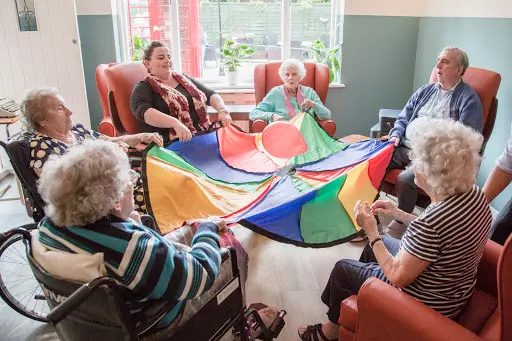
What strikes families is how staff take time to really understand each resident. People talk about care that adjusts as needs change, with staff actively seeking training when new challenges arise. There's a structured rhythm to the days here — regular activities and entertainment that give shape to the week.
The eight family priority themes
- Staff warmth72
- Compassion & dignity72
- Cleanliness68
- Activities & engagement62
- Food quality60
- Healthcare70
- Management & leadership70
- Resident happiness65
What inspectors found
Inspected 2018-06-02
Is this home safe?
Is the care effective?
The Effective domain was rated Good at the April 2018 inspection. This domain covers training, care planning, healthcare access, nutrition, and how well the home meets individual needs. No specific examples of GP access arrangements, dementia training content, care plan quality, or food provision are described in the published text. The home cares for people with a wide range of needs including dementia, mental health conditions, and physical disabilities, all of which require tailored, well-reviewed care plans.Is this home caring?
The Caring domain was rated Good at the April 2018 inspection. This is the domain that most directly reflects whether staff are kind and whether your parent is treated with dignity and respect. No specific inspector observations of staff interactions, no resident quotes, and no family testimony are included in the published summary. A Good Caring rating means inspectors did not identify concerns in this area, but the absence of detail makes it impossible to describe the quality of staff interactions from the published findings alone.Is the home responsive?
The Responsive domain was rated Good at the April 2018 inspection. This domain covers whether the home tailors care to individual needs, whether activities are meaningful and varied, whether the home responds to complaints, and whether end-of-life care is planned. No specific activity examples, individual engagement descriptions, or complaint-handling details are included in the published text. The home's broad specialism, covering dementia, mental health conditions, and physical disabilities, means the activity and engagement programme needs to be flexible enough to meet very different levels of ability.Is the home well-led?
The Well-led domain was rated Good at the April 2018 inspection. A registered manager, Mrs Sibusiso Ndlovu Mudimbu, is named on the registration record, and two nominated individuals are also recorded. A Good Well-led rating means inspectors were satisfied that governance, accountability, and leadership culture met the required standard at the time. No specific observations about the manager's visibility, staff culture, or quality-improvement systems are described in the published summary.
Source: CQC inspection report →
What the evidence base says
The home welcomes people under and over 65 with various needs including dementia, mental health conditions, physical disabilities and substance misuse challenges. They also offer respite stays. For those living with dementia, the structured daily programme provides reassuring routine. Staff adapt their approach as the condition progresses, keeping families involved throughout. All areas worth probing directly during a visit.
The DCC Verdict
Our editorial view, built from the three lenses: what families tell us, what inspectors record, and how the home sits against good dementia-care practice.
DCC Family Score
Tupwood Gate received a Good rating across all five domains at its only published inspection in April 2018, which is a positive baseline. However, the published report contains very little specific detail about what inspectors actually observed, so most scores sit in the 60-72 range rather than higher, reflecting the absence of direct observations, resident testimony, or concrete examples.
Homes in South East typically score 68–82.The three-lens summary
What families tell us
What strikes families is how staff take time to really understand each resident. People talk about care that adjusts as needs change, with staff actively seeking training when new challenges arise. There's a structured rhythm to the days here — regular activities and entertainment that give shape to the week.
What inspectors have recorded
Staff here seem to have that knack for noticing the small things that matter to each person. Families mention how the team responds quickly when care needs shift, finding practical solutions rather than rigid approaches.
How it sits against good practice
Sometimes the best measure of a care home is whether families choose to return for respite stays — and here, they do.
Worth a visit
Tupwood Gate, a 35-bed nursing home in Caterham run by Cygnet Health Care Limited, was rated Good across all five inspection domains at its only published inspection, carried out in April 2018 and published in June 2018. The home specialises in older adults, dementia, mental health conditions, physical disabilities, and adults under 65, which is a broad and complex mix of needs. A Good rating across the board is a meaningful baseline, confirming that inspectors found no significant concerns about safety, care quality, leadership, or responsiveness at that time. The main uncertainty is that this report is now several years old and the published text contains very little specific detail about what inspectors actually saw or heard. There are no recorded observations of staff interactions, no resident or family quotes, and no description of the environment, activities, or food. The rating tells you the home met the standard; it does not tell you what daily life looks like for your parent. On a visit, ask to see the current staffing rota for day and night shifts, ask about dementia training records, and spend time in a communal area observing how staff interact with residents at a quiet moment rather than during a formal tour.
The three questions to ask when you visitSave this home. Compare it against your shortlist.
Let our analysis show you how Tupwood Gate Nursing Home measures up against the other homes you’re considering. Free account.
In Their Own Words
How Tupwood Gate Nursing Home describes itself — collected from its own website. DCC has not edited or independently verified the content in this tab.
Where complex care needs meet genuine understanding
Dedicated nursing home Support in Caterham
When someone you love needs specialist support for multiple conditions, finding the right place feels overwhelming. Tupwood Gate in Caterham brings together experienced staff who genuinely listen and adapt to each person's changing needs. Families describe a place where complex care requirements don't mean compromising on comfort or dignity.
Who they care for
The home welcomes people under and over 65 with various needs including dementia, mental health conditions, physical disabilities and substance misuse challenges. They also offer respite stays.
For those living with dementia, the structured daily programme provides reassuring routine. Staff adapt their approach as the condition progresses, keeping families involved throughout.
“Sometimes the best measure of a care home is whether families choose to return for respite stays — and here, they do.”
DCC does not edit or curate content in this tab. For independently curated information, see The Evidence and DCC Verdict.
The DCC Verdict
Our editorial view, built from the three lenses: what families tell us, what inspectors record, and how the home sits against good dementia-care practice.
DCC Family Score
Tupwood Gate received a Good rating across all five domains at its only published inspection in April 2018, which is a positive baseline. However, the published report contains very little specific detail about what inspectors actually observed, so most scores sit in the 60-72 range rather than higher, reflecting the absence of direct observations, resident testimony, or concrete examples.
Homes in South East typically score 68–82.The three-lens summary
What families tell us
What strikes families is how staff take time to really understand each resident. People talk about care that adjusts as needs change, with staff actively seeking training when new challenges arise. There's a structured rhythm to the days here — regular activities and entertainment that give shape to the week.
What inspectors have recorded
Staff here seem to have that knack for noticing the small things that matter to each person. Families mention how the team responds quickly when care needs shift, finding practical solutions rather than rigid approaches.
How it sits against good practice
Sometimes the best measure of a care home is whether families choose to return for respite stays — and here, they do.
Worth a visit
Tupwood Gate, a 35-bed nursing home in Caterham run by Cygnet Health Care Limited, was rated Good across all five inspection domains at its only published inspection, carried out in April 2018 and published in June 2018. The home specialises in older adults, dementia, mental health conditions, physical disabilities, and adults under 65, which is a broad and complex mix of needs. A Good rating across the board is a meaningful baseline, confirming that inspectors found no significant concerns about safety, care quality, leadership, or responsiveness at that time. The main uncertainty is that this report is now several years old and the published text contains very little specific detail about what inspectors actually saw or heard. There are no recorded observations of staff interactions, no resident or family quotes, and no description of the environment, activities, or food. The rating tells you the home met the standard; it does not tell you what daily life looks like for your parent. On a visit, ask to see the current staffing rota for day and night shifts, ask about dementia training records, and spend time in a communal area observing how staff interact with residents at a quiet moment rather than during a formal tour.
The three questions to ask when you visitSave this home. Compare it against your shortlist.
Let our analysis show you how Tupwood Gate Nursing Home measures up against the other homes you’re considering. Free account.
In Their Own Words
How Tupwood Gate Nursing Home describes itself — collected from its own website. DCC has not edited or independently verified the content in this tab.
Where complex care needs meet genuine understanding
Dedicated nursing home Support in Caterham
When someone you love needs specialist support for multiple conditions, finding the right place feels overwhelming. Tupwood Gate in Caterham brings together experienced staff who genuinely listen and adapt to each person's changing needs. Families describe a place where complex care requirements don't mean compromising on comfort or dignity.
Who they care for
The home welcomes people under and over 65 with various needs including dementia, mental health conditions, physical disabilities and substance misuse challenges. They also offer respite stays.
For those living with dementia, the structured daily programme provides reassuring routine. Staff adapt their approach as the condition progresses, keeping families involved throughout.
Management & ethos
Staff here seem to have that knack for noticing the small things that matter to each person. Families mention how the team responds quickly when care needs shift, finding practical solutions rather than rigid approaches.
The home & environment
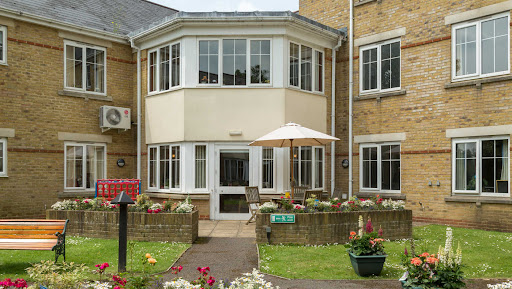
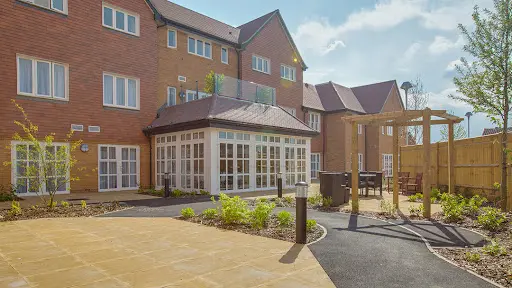
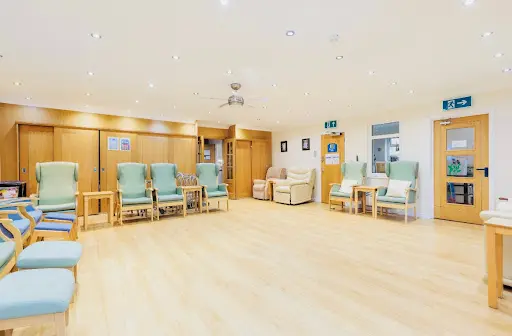
The kitchen serves proper home-cooked meals, with real flexibility around different dietary needs. Residents find their rooms comfortable and well-decorated, with that important sense of quiet when they need it. There's outdoor space too for those who enjoy fresh air.
“Sometimes the best measure of a care home is whether families choose to return for respite stays — and here, they do.”
DCC does not edit or curate content in this tab. For independently curated information, see The Evidence and DCC Verdict.