Jacobs Neurological Centre | Elysium Healthcare
At a Glance
The information you need to decide whether this home warrants a closer look.
Nursing homes
Staff warmth score
of reviewers answered yes
Good to know
- Registered beds52
- SpecialismsCaring for adults over 65 yrs, Caring for adults under 65 yrs, Dementia, Physical disabilities, Sensory impairment
- Last inspected2023-12-21
Save Jacobs Neurological Centre | Elysium Healthcare to your shortlist
Keep a running list, add visit notes, and compare homes side-by-side. Free account — it takes a minute.
STAGE 4 — RESEARCHING CARE HOMES
Visit homes. Compare them side by side. Choose with confidence.
Most of us will view care homes the way we view houses, impression, atmosphere, the feeling in the corridor. We go home, try to remember what we saw, and make a permanent decision from a blurred memory.

The DCC shortlist gives every home you visit a structured record: the same twelve questions, answered the same way, every time. When you’re ready to choose, pull any two homes side by side and compare them directly. Same criteria, same evidence, your notes and your scores.
The Evidence
What the review data, the inspection reports, and the dementia-care evidence base tell us about this home.
What families say
The eight family priority themes
- Staff warmth72
- Compassion & dignity72
- Cleanliness70
- Activities & engagement65
- Food quality65
- Healthcare72
- Management & leadership75
- Resident happiness68
What inspectors found
Inspected 2023-12-21
Is this home safe?
Is the care effective?
The home was rated Good for effectiveness at the November 2024 inspection. The available published report does not describe specific findings about care planning, training, healthcare access, or food quality. The home's registration confirms it provides treatment of disease, disorder, or injury alongside personal care, suggesting clinical oversight is built into the model. However, the absence of specific inspection detail means it is not possible to verify from published sources how care plans are written, how often they are reviewed, or what dementia training staff have completed.Is this home caring?
The home was rated Good for caring at the November 2024 inspection. The published report does not include specific observations of staff interactions, resident testimony, or examples of how dignity and privacy are maintained. For a home caring for people with dementia, physical disabilities, and sensory impairments, caring practice encompasses how staff address residents, how they respond to non-verbal communication, and whether care is given at the person's pace rather than the rota's pace. None of this detail is available in the published findings.Is the home responsive?
The home was rated Good for responsiveness at the November 2024 inspection. The published report does not describe the activities programme, individual care arrangements, or how the home adapts to the varying needs of people with dementia, neurological conditions, physical disabilities, and sensory impairments. For a home serving this range of complex needs, responsiveness should include one-to-one engagement for people who cannot participate in group activities, meaningful occupation drawing on personal histories, and clear processes for responding to changing health needs.Is the home well-led?
The home was rated Good for well-led at the November 2024 inspection, recovering from a period in which overall performance had declined to Requires Improvement. A Registered Manager, Miss Laura Anne Chapman, and a Nominated Individual, Ms Sheetal Shah, are named in the registration record. The published report does not describe the manager's tenure, visibility, or the specific governance changes that brought about the improvement. The home is operated by Elysium Healthcare No.2 Limited, a larger provider group, which brings both resource and the risk of centralised decision-making that can distance management from day-to-day care.
Source: CQC inspection report →
What the evidence base says
The team here has experience caring for people with complex neurological conditions, including those with sensory impairments and physical disabilities. They support both younger adults under 65 and older residents. The centre also provides care for people living with dementia alongside neurological conditions, offering specialist support for these complex needs. All areas worth probing directly during a visit.
The DCC Verdict
Our editorial view, built from the three lenses: what families tell us, what inspectors record, and how the home sits against good dementia-care practice.
DCC Family Score
The home has recovered from a Requires Improvement rating to Good across all five domains at its most recent inspection in November 2024. However, the published report contains very limited specific detail, so scores reflect confirmed improvement rather than strong observed evidence.
Homes in East typically score 68–82.Worth a visit
Gardens Neurological Centre, at High Wych Road in Sawbridgeworth, was rated Good across all five inspection domains at its most recent assessment on 29 November 2024, with the report published in June 2025. This is a meaningful recovery from a Requires Improvement rating recorded at the previous inspection in December 2023. The home is run by Elysium Healthcare No.2 Limited and has a named Registered Manager, Laura Anne Chapman, in post. It is a 52-bed nursing home with specialisms in dementia, neurological conditions, physical disabilities, and sensory impairments, caring for both younger and older adults. The central uncertainty here is that the published inspection report contains very limited specific detail. There are no recorded observations of staff interactions, no resident or family quotes, and no specifics on staffing ratios, activity programmes, food quality, or how the environment is adapted for people with dementia. A Good rating is a genuinely positive signal, but it tells you the direction of travel, not the texture of daily life. On your visit, ask the manager to walk you through what changed between the Requires Improvement inspection and this one. Ask specifically: how many permanent staff are on the dementia unit after 8pm, and how often do agency staff cover those shifts?
The three questions to ask when you visitSave this home. Compare it against your shortlist.
Let our analysis show you how Jacobs Neurological Centre | Elysium Healthcare measures up against the other homes you’re considering. Free account.
In Their Own Words
How Jacobs Neurological Centre | Elysium Healthcare describes itself — collected from its own website. DCC has not edited or independently verified the content in this tab.
Specialist neurological care in woodland surroundings near Sawbridgeworth
Compassionate Care in Sawbridgeworth at Gardens Neurological Centre
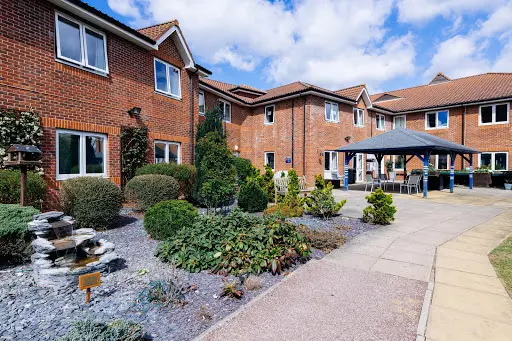
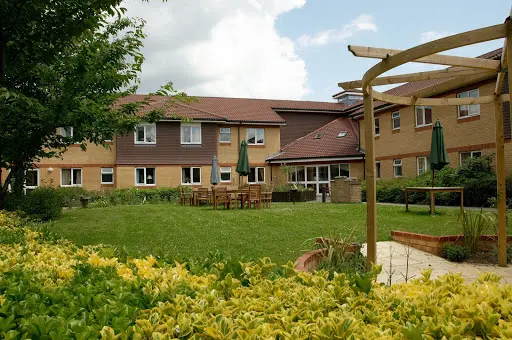
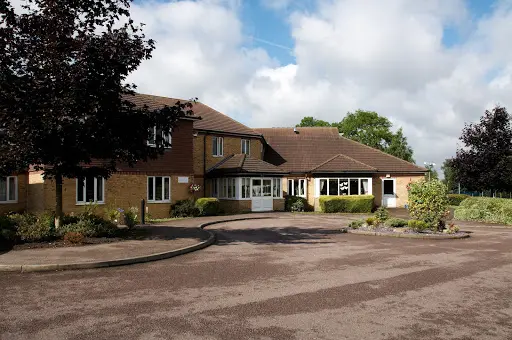
Gardens Neurological Centre sits within woodland grounds in East Sawbridgeworth, providing specialist care for people with neurological conditions. The centre cares for both younger adults and those over 65, with particular experience supporting people with physical disabilities and sensory impairments.
Who they care for
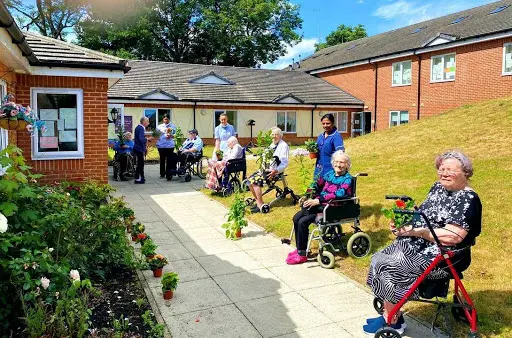
The team here has experience caring for people with complex neurological conditions, including those with sensory impairments and physical disabilities. They support both younger adults under 65 and older residents.
The centre also provides care for people living with dementia alongside neurological conditions, offering specialist support for these complex needs.
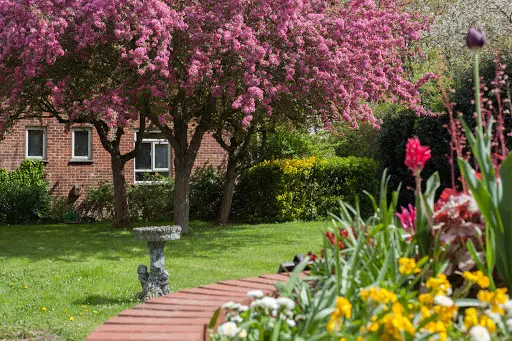
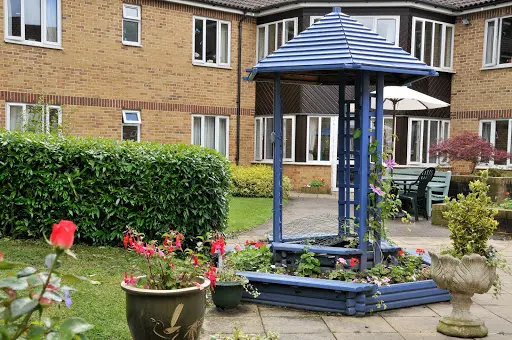
“The woodland setting provides accessible outdoor space where residents can spend time in nature with their families.”
DCC does not edit or curate content in this tab. For independently curated information, see The Evidence and DCC Verdict.
The DCC Verdict
Our editorial view, built from the three lenses: what families tell us, what inspectors record, and how the home sits against good dementia-care practice.
DCC Family Score
The home has recovered from a Requires Improvement rating to Good across all five domains at its most recent inspection in November 2024. However, the published report contains very limited specific detail, so scores reflect confirmed improvement rather than strong observed evidence.
Homes in East typically score 68–82.Worth a visit
Gardens Neurological Centre, at High Wych Road in Sawbridgeworth, was rated Good across all five inspection domains at its most recent assessment on 29 November 2024, with the report published in June 2025. This is a meaningful recovery from a Requires Improvement rating recorded at the previous inspection in December 2023. The home is run by Elysium Healthcare No.2 Limited and has a named Registered Manager, Laura Anne Chapman, in post. It is a 52-bed nursing home with specialisms in dementia, neurological conditions, physical disabilities, and sensory impairments, caring for both younger and older adults. The central uncertainty here is that the published inspection report contains very limited specific detail. There are no recorded observations of staff interactions, no resident or family quotes, and no specifics on staffing ratios, activity programmes, food quality, or how the environment is adapted for people with dementia. A Good rating is a genuinely positive signal, but it tells you the direction of travel, not the texture of daily life. On your visit, ask the manager to walk you through what changed between the Requires Improvement inspection and this one. Ask specifically: how many permanent staff are on the dementia unit after 8pm, and how often do agency staff cover those shifts?
The three questions to ask when you visitSave this home. Compare it against your shortlist.
Let our analysis show you how Jacobs Neurological Centre | Elysium Healthcare measures up against the other homes you’re considering. Free account.
In Their Own Words
How Jacobs Neurological Centre | Elysium Healthcare describes itself — collected from its own website. DCC has not edited or independently verified the content in this tab.
Specialist neurological care in woodland surroundings near Sawbridgeworth
Compassionate Care in Sawbridgeworth at Gardens Neurological Centre
Gardens Neurological Centre sits within woodland grounds in East Sawbridgeworth, providing specialist care for people with neurological conditions. The centre cares for both younger adults and those over 65, with particular experience supporting people with physical disabilities and sensory impairments.
Who they care for
The team here has experience caring for people with complex neurological conditions, including those with sensory impairments and physical disabilities. They support both younger adults under 65 and older residents.
The centre also provides care for people living with dementia alongside neurological conditions, offering specialist support for these complex needs.
“The woodland setting provides accessible outdoor space where residents can spend time in nature with their families.”
DCC does not edit or curate content in this tab. For independently curated information, see The Evidence and DCC Verdict.