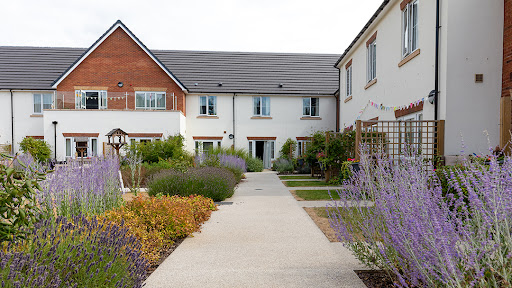
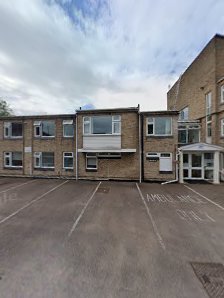
Bethel & Bethesda Residential Home
At a Glance
The information you need to decide whether this home warrants a closer look.
Residential homes
Staff warmth score
of reviewers answered yes
Good to know
- Registered beds34
- SpecialismsCaring for adults over 65 yrs, Dementia
- Last inspected2021-12-21
- Activities programmeThe home maintains consistently high standards of cleanliness throughout, creating a fresh and pleasant environment for residents. Meals get particular praise, with residents enjoying the food served here. Everything feels well-maintained and professionally run.
- Visit Website
The Evidence
What the review data, the inspection reports, and the dementia-care evidence base tell us about this home.
What families say
Families describe finding their loved ones genuinely happy here, with some noting how residents have truly thrived since moving in. The atmosphere strikes visitors as cosy and welcoming from the moment they arrive. Staff consistently show real warmth and dedication, making sure each resident feels valued and cared for.
Based on 6 Google reviews · 0 reviews on carehome.co.uk · most recent 2026-04-10
The eight family priority themes
- Staff warmth72
- Compassion & dignity72
- Cleanliness68
- Activities & engagement60
- Food quality55
- Healthcare52
- Management & leadership72
- Resident happiness65
What inspectors found
Inspected 2021-12-21 · Report published 2021-12-21 · Inspected 8 times in the last three years
Is this home safe?
{"found":"The Safe domain was rated Good at the November 2021 inspection. This means inspectors were satisfied that people living here were protected from abuse, that staffing was sufficient, and that medicines were managed properly. For a home that had previously held an Inadequate rating, achieving Good in Safe represents a substantial step forward. The published summary does not provide specific detail on night staffing ratios, falls management, or infection control practices.","quotes":[],"family_meaning":"A Good rating in Safe means the inspection did not find the systemic risks that were present under the previous Inadequate rating. For families considering a home for a parent with dementia, the improvement trajectory matters as much as the current rating: a home that has genuinely addressed safety failures often has stronger oversight than one that has never been tested. That said, our Good Practice evidence base is clear that safety can slip at night, when staffing is thinner and fewer eyes are on the floor. The published findings do not tell you what the night staffing looks like for this 34-bed home, so you need to ask that question directly.","evidence_base":"The IFF Research and Leeds Beckett rapid evidence review found that night staffing levels are among the most consistent predictors of whether safety is maintained between inspections. A Good rating at a daytime visit does not guarantee adequate overnight cover.","watch_out":"Ask the manager to show you the actual staffing rota for the last two weeks, including night shifts. Count permanent staff names versus agency names, and ask how many carers are on the dementia unit after 10pm."}
Is the care effective?
{"found":"Effective is the only domain rated Requires Improvement. This domain covers training, care planning, health monitoring, and how consistently good practice is applied to individual residents. Inspectors found something lacking, though the published summary does not specify whether the concern related to care plan quality, training records, GP access, nutritional assessment, or another area. A Requires Improvement rating means the home had identified issues but had not yet fully resolved them at the time of inspection.","quotes":[],"family_meaning":"This is the rating that warrants the most careful questioning when you visit. In our review data, families frequently mention that a care home felt warm and welcoming but that key information about their parent, preferences, routines, health needs, was not consistently acted on. A Requires Improvement in Effective can mean exactly that gap. The Good Practice evidence base from 61 studies is clear that for people with dementia, care plans need to be treated as living documents updated at least monthly, with families actively involved. Ask whether you would be invited to contribute to your parent's care plan and how often it would be reviewed.","evidence_base":"The Leeds Beckett rapid evidence review found that dementia-specific training significantly improves the quality of daily interactions, but only when training content is directly linked to care plan implementation. General compliance training alone does not change outcomes.","watch_out":"Ask to see a sample care plan (with personal details removed if needed) and ask when it was last updated and by whom. Then ask how the home would make sure a change in your parent's preferences or health was captured and acted on within 48 hours."}
Is this home caring?
{"found":"The Caring domain was rated Good. Inspectors assessed whether staff treated people with kindness, whether dignity and privacy were respected, and whether residents were supported to maintain independence. A Good rating here means inspectors observed, or received testimony, that the day-to-day experience of living here was positive in these respects. The published summary does not include specific quotes from residents or relatives, nor specific observed examples of staff behaviour.","quotes":[],"family_meaning":"Staff warmth is the single biggest driver of family satisfaction in our review data, mentioned in 57.3% of positive reviews by name, and compassion and dignity follow closely at 55.2%. A Good rating in Caring is an encouraging signal, but without specific quotes or observations in the published report, it is impossible to know exactly what the inspector saw. On a first visit, watch how staff move through the building. Do they stop to speak with residents in the corridor? Do they use the resident's preferred name without prompting? Are interactions unhurried? These are the things that families in our data consistently describe as what they noticed first and trusted most.","evidence_base":"The Good Practice evidence base identifies non-verbal communication as particularly important for people with advanced dementia. Staff who make eye contact, speak at a calm pace, and respond to distress without urgency or irritation produce measurably better wellbeing outcomes, even when verbal communication is limited.","watch_out":"When you visit, ask a member of staff what name your parent would like to be called and watch whether that name is used naturally in the room. If staff need to check notes to answer, that tells you something. If they answer without hesitation, that tells you something different."}
Is the home responsive?
{"found":"Responsive was rated Good. This domain covers whether the home tailors its care to individual needs, provides meaningful activities, and handles complaints well. A Good rating means inspectors were satisfied that residents were not simply receiving a one-size-fits-all service. The home lists dementia as a specialism, which means responsiveness to the specific and changing needs of people living with dementia is particularly relevant. The published summary does not include detail on activity provision, how individual preferences are recorded, or how end-of-life planning is handled.","quotes":[],"family_meaning":"Activities and resident happiness together account for nearly half of the weighting in our family review data. A Good rating in Responsive is positive, but for a parent with dementia, what matters most is whether engagement is genuinely individual. Our Good Practice evidence base shows that group activities alone are not sufficient: people with advanced dementia need one-to-one engagement, and approaches that incorporate familiar everyday tasks (folding, sorting, gardening) produce better outcomes than structured group sessions. The published report does not tell you what the activity programme looks like here, so this is a key area to explore on a visit.","evidence_base":"The Leeds Beckett evidence review found that Montessori-based and task-based individual activities, such as familiar household tasks matched to a person's history, significantly reduce distress and improve engagement in people with moderate to advanced dementia, more so than group entertainment activities.","watch_out":"Ask to see the actual activity records for the past two weeks, not a poster or a template. Ask specifically what happens for a resident who cannot join a group session: who provides one-to-one time, how often, and how is that recorded?"}
Is the home well-led?
{"found":"Well-led was rated Good. The inspection identified two registered managers in post: Mrs Emily Louise Lumb and Mrs Sarah Louise Lumb, who is also the Nominated Individual and therefore carries regulatory accountability for the provider. Achieving a Good rating in Well-led after a previous Inadequate rating suggests inspectors found a functioning governance structure, a culture that could identify and respond to problems, and staff who felt supported. The published summary does not include specific observations about management visibility, staff feedback mechanisms, or how the home monitors quality day to day.","quotes":[],"family_meaning":"Leadership stability is one of the strongest predictors of whether a care home sustains its quality over time, according to the Good Practice evidence base. A home that has turned around from Inadequate to Good under consistent leadership is in a different position from one that has replaced its manager several times. The presence of two named managers, one of whom is also the provider's Nominated Individual, means there is personal regulatory accountability at a senior level. Communication with families accounts for 11.5% of what drives positive family reviews in our data. Ask on your visit how you would be kept informed about your parent's care and what happens if you raise a concern.","evidence_base":"The IFF Research evidence review found that care homes where frontline staff felt able to raise concerns with management without fear of reprisal showed consistently better outcomes across all quality domains, not just Well-led. This bottom-up empowerment is a hallmark of genuinely well-led services.","watch_out":"Ask how long the current managers have been in post and whether there have been significant changes to the senior team in the past 12 months. Then ask a care worker you meet on the floor, not a manager, what they would do if they noticed something they were worried about."}
Source: CQC inspection report →
What the evidence base says
Against the DCC Good Practice in Dementia Care standards, this home’s evidence aligns most strongly on The home provides specialist dementia care alongside general support for adults over 65. Staff bring professional expertise to both areas of care.. Gaps or open questions remain on The team understands how to support residents living with dementia, creating an environment where they can feel secure and maintain their dignity. Staff work to ensure each person's individual needs are met with patience and understanding. — areas worth probing directly during a visit.
The DCC Verdict
Our editorial view, built from the three lenses: what families tell us, what inspectors record, and how the home sits against good dementia-care practice.
DCC Family Score
Bethel/Bethesda scores in the mid-range, reflecting a home that has made genuine progress from an Inadequate rating to Good across four of five domains, but with Effective rated Requires Improvement, meaning the inspection found gaps in how care knowledge is applied in practice. The score reflects real improvement alongside areas where specific evidence is still thin.
Homes in East Midlands typically score 68–82.The three-lens summary
What families tell us
Families describe finding their loved ones genuinely happy here, with some noting how residents have truly thrived since moving in. The atmosphere strikes visitors as cosy and welcoming from the moment they arrive. Staff consistently show real warmth and dedication, making sure each resident feels valued and cared for.
What inspectors have recorded
The team here really listens to what residents need and responds quickly when things need attention. Families appreciate how staff treat everyone with genuine kindness and respect, especially during those precious final weeks of life.
How it sits against good practice
If you'd like to see how Bethel/Bethesda could work for your family, arranging a visit will give you the clearest picture of life here.
Worth a visit
Bethel/Bethesda Residential Home, on Equity Road East in Earl Shilton, was rated Good overall at its inspection in November 2021, with Good ratings in Safe, Caring, Responsive, and Well-led. This represents a significant turnaround: the home had previously been rated Inadequate, and the inspection confirmed that meaningful improvements had been made across safety, leadership, and the quality of day-to-day care. The home supports up to 34 adults over 65, including people living with dementia. The one area that did not reach Good is Effective, which covers training, care planning, and how well the home puts its knowledge into practice for each individual. This is the most important thing to probe when you visit. Ask how frequently care plans are reviewed, whether your parent's specific preferences and history would be captured in writing, and how the home demonstrates its dementia training shapes what staff actually do on the floor. The published inspection summary does not include specific quotes or observed examples, so a visit is essential to form your own view of warmth, pace, and environment.
The three questions to ask when you visitSave this home. Compare it against your shortlist.
Let our analysis show you how Bethel & Bethesda Residential Home measures up against the other homes you’re considering. Free account.
In Their Own Words
How Bethel & Bethesda Residential Home describes itself — collected from its own website. DCC has not edited or independently verified the content in this tab.
Where dignity and kindness shape every single day
Compassionate Care in Earl Shilton at Bethel/Bethesda Residential Home
When you're searching for the right care, you want to know your loved one will be genuinely content. Bethel/Bethesda Residential Home in Earl Shilton offers exactly that — a place where residents find real comfort and staff truly understand what good care means. The home specialises in supporting older adults and those living with dementia, bringing professional expertise to every aspect of daily life.
Who they care for
The home provides specialist dementia care alongside general support for adults over 65. Staff bring professional expertise to both areas of care.
The team understands how to support residents living with dementia, creating an environment where they can feel secure and maintain their dignity. Staff work to ensure each person's individual needs are met with patience and understanding.
Management & ethos
The team here really listens to what residents need and responds quickly when things need attention. Families appreciate how staff treat everyone with genuine kindness and respect, especially during those precious final weeks of life.
The home & environment
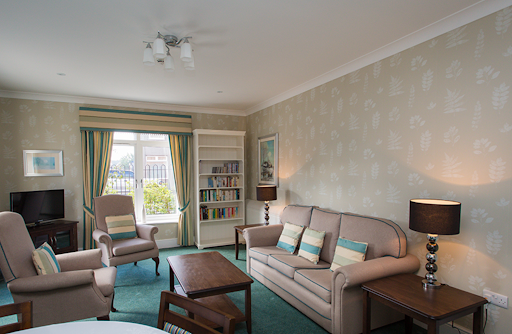
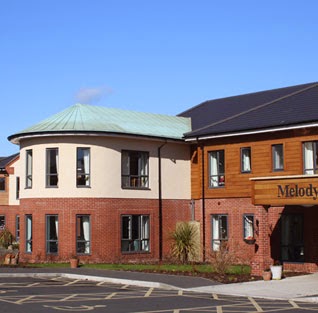
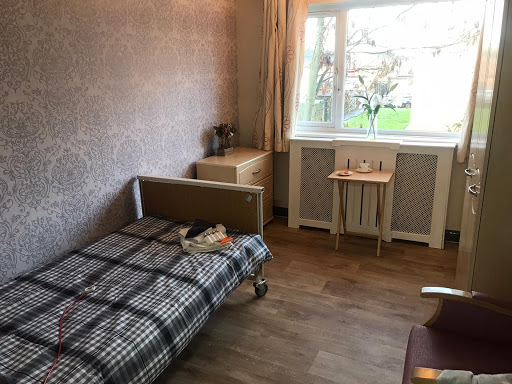
The home maintains consistently high standards of cleanliness throughout, creating a fresh and pleasant environment for residents. Meals get particular praise, with residents enjoying the food served here. Everything feels well-maintained and professionally run.
“If you'd like to see how Bethel/Bethesda could work for your family, arranging a visit will give you the clearest picture of life here.”
DCC does not edit or curate content in this tab. For independently curated information, see The Evidence and DCC Verdict.