Potters Grange – Nursing – Dementia – Respite
At a Glance
The information you need to decide whether this home warrants a closer look.
Nursing homes
Staff warmth score
of reviewers answered yes
Good to know
- Registered beds24
- SpecialismsCaring for adults over 65 yrs, Caring for adults under 65 yrs, Dementia, Physical disabilities, Sensory impairment
- Last inspected2022-08-31
Save Potters Grange – Nursing – Dementia – Respite to your shortlist
Keep a running list, add visit notes, and compare homes side-by-side. Free account — it takes a minute.
STAGE 4 — RESEARCHING CARE HOMES
Visit homes. Compare them side by side. Choose with confidence.
Most of us will view care homes the way we view houses, impression, atmosphere, the feeling in the corridor. We go home, try to remember what we saw, and make a permanent decision from a blurred memory.

The DCC shortlist gives every home you visit a structured record: the same twelve questions, answered the same way, every time. When you’re ready to choose, pull any two homes side by side and compare them directly. Same criteria, same evidence, your notes and your scores.
The Evidence
What the review data, the inspection reports, and the dementia-care evidence base tell us about this home.
What families say
Families describe walking into a genuinely welcoming atmosphere from their very first visit. The warmth extends beyond reception — relatives notice how staff treat every interaction with courtesy and respect, protecting residents' dignity during personal care moments.
The eight family priority themes
- Staff warmth55
- Compassion & dignity55
- Cleanliness55
- Activities & engagement50
- Food quality50
- Healthcare55
- Management & leadership60
- Resident happiness55
What inspectors found
Inspected 2022-08-31
Is this home safe?
Is the care effective?
The home received a Good rating for effectiveness at its July 2022 inspection. This domain covers care planning, staff training, access to healthcare professionals, and nutrition. Dementia is listed as a registered specialism, which means inspectors expected to see evidence of dementia-specific training and care approaches. No specific detail about training content, GP access arrangements, care plan quality, or food provision is recorded in the published text.Is this home caring?
The home received a Good rating for caring at its July 2022 inspection. This domain covers how staff treat the people in their care: whether they are warm, respectful, unhurried, and attentive to dignity and independence. No direct observations of staff interactions, no resident or relative quotes, and no specific examples of dignified care practice are recorded in the published inspection text. The Good rating confirms inspectors were satisfied overall.Is the home responsive?
The home received a Good rating for responsiveness at its July 2022 inspection. This domain covers how well the home tailors care to individual needs, the range and quality of activities on offer, how complaints are handled, and whether end-of-life care is planned in advance. The home's registered specialisms include dementia, physical disabilities, and sensory impairments, which suggests a diverse resident group with varying activity and engagement needs. No specific examples of the activity programme, individual engagement, or end-of-life planning are recorded in the published text.Is the home well-led?
The home received a Good rating for well-led at its July 2022 inspection. The inspection report names Mrs Lesa McAnulty as the registered manager and Mr Evan Lawrence as the nominated individual. The home is operated by Ardale (Potters Grange) Limited. No detail about the manager's tenure, staff culture, governance systems, or how the home responds to feedback is recorded in the published text. The Good rating confirms inspectors were satisfied with the leadership structure in place.
Source: CQC inspection report →
What the evidence base says
The home provides specialist support for dementia, physical disabilities and sensory impairments. They welcome both younger adults under 65 and older residents, adapting their approach to each person's needs. For residents living with dementia, the peaceful countryside location offers a calm environment away from busy roads. The spacious layout gives people room to move around safely while the thoughtful interior design helps with orientation. All areas worth probing directly during a visit.
The DCC Verdict
Our editorial view, built from the three lenses: what families tell us, what inspectors record, and how the home sits against good dementia-care practice.
DCC Family Score
Potters Grange was rated Good across all five domains at its last inspection in July 2022, which is a solid baseline. However, the published inspection text contains very little specific detail, meaning the score reflects a confirmed Good rating rather than strong observed evidence across individual themes.
Homes in East typically score 68–82.The three-lens summary
What families tell us
Families describe walking into a genuinely welcoming atmosphere from their very first visit. The warmth extends beyond reception — relatives notice how staff treat every interaction with courtesy and respect, protecting residents' dignity during personal care moments.
What inspectors have recorded
What stands out here is the attention to clinical details alongside compassionate care. Families with relatives who have complex health needs talk about accurate medication management and careful monitoring of nutrition and hydration. Staff maintain professional standards while staying approachable and responsive.
How it sits against good practice
Sometimes the right care home is one that gets the fundamentals absolutely right — and that's what families are finding here.
Worth a visit
Potters Grange in Potters Bar was rated Good across all five inspection domains at its last inspection in July 2022. The home is registered to care for adults over and under 65, including people living with dementia, physical disabilities, and sensory impairments, across 24 beds. A named registered manager and nominated individual are in place, which confirms a formal leadership structure. The overall Good rating is a positive signal, reflecting that inspectors were satisfied with safety, care, effectiveness, responsiveness, and leadership. The main uncertainty here is that the published inspection report contains very little specific detail. There are no recorded observations of staff interactions, no quotes from residents or relatives, and no figures for staffing ratios or training completion. A Good rating with thin supporting evidence means you cannot rely on the report alone to judge whether this home is the right fit for your parent. When you visit, ask to see last week's actual staffing rota (not just the template), ask how many permanent staff work the dementia unit at night, and ask when your parent's care plan would next be reviewed and whether you would be invited to contribute.
The three questions to ask when you visitSave this home. Compare it against your shortlist.
Let our analysis show you how Potters Grange – Nursing – Dementia – Respite measures up against the other homes you’re considering. Free account.
In Their Own Words
How Potters Grange – Nursing – Dementia – Respite describes itself — collected from its own website. DCC has not edited or independently verified the content in this tab.
Countryside care home where clinical standards meet genuine warmth
Potters Grange – Your Trusted nursing home
For families navigating complex health needs, finding the right balance between medical expertise and personal touch feels impossible. Potters Grange in Potters Bar brings both together in a peaceful countryside setting. The care home supports residents with dementia, physical disabilities and sensory impairments, welcoming adults of all ages who need specialised support.
Who they care for
The home provides specialist support for dementia, physical disabilities and sensory impairments. They welcome both younger adults under 65 and older residents, adapting their approach to each person's needs.
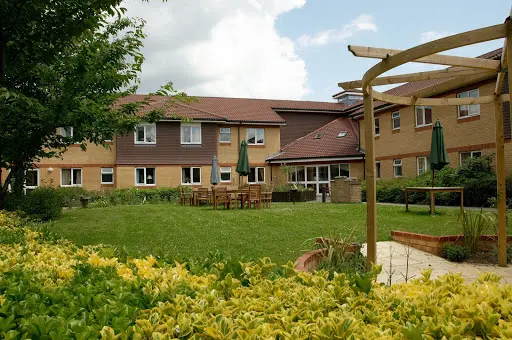
For residents living with dementia, the peaceful countryside location offers a calm environment away from busy roads. The spacious layout gives people room to move around safely while the thoughtful interior design helps with orientation.
“Sometimes the right care home is one that gets the fundamentals absolutely right — and that's what families are finding here.”
DCC does not edit or curate content in this tab. For independently curated information, see The Evidence and DCC Verdict.
The DCC Verdict
Our editorial view, built from the three lenses: what families tell us, what inspectors record, and how the home sits against good dementia-care practice.
DCC Family Score
Potters Grange was rated Good across all five domains at its last inspection in July 2022, which is a solid baseline. However, the published inspection text contains very little specific detail, meaning the score reflects a confirmed Good rating rather than strong observed evidence across individual themes.
Homes in East typically score 68–82.The three-lens summary
What families tell us
Families describe walking into a genuinely welcoming atmosphere from their very first visit. The warmth extends beyond reception — relatives notice how staff treat every interaction with courtesy and respect, protecting residents' dignity during personal care moments.
What inspectors have recorded
What stands out here is the attention to clinical details alongside compassionate care. Families with relatives who have complex health needs talk about accurate medication management and careful monitoring of nutrition and hydration. Staff maintain professional standards while staying approachable and responsive.
How it sits against good practice
Sometimes the right care home is one that gets the fundamentals absolutely right — and that's what families are finding here.
Worth a visit
Potters Grange in Potters Bar was rated Good across all five inspection domains at its last inspection in July 2022. The home is registered to care for adults over and under 65, including people living with dementia, physical disabilities, and sensory impairments, across 24 beds. A named registered manager and nominated individual are in place, which confirms a formal leadership structure. The overall Good rating is a positive signal, reflecting that inspectors were satisfied with safety, care, effectiveness, responsiveness, and leadership. The main uncertainty here is that the published inspection report contains very little specific detail. There are no recorded observations of staff interactions, no quotes from residents or relatives, and no figures for staffing ratios or training completion. A Good rating with thin supporting evidence means you cannot rely on the report alone to judge whether this home is the right fit for your parent. When you visit, ask to see last week's actual staffing rota (not just the template), ask how many permanent staff work the dementia unit at night, and ask when your parent's care plan would next be reviewed and whether you would be invited to contribute.
The three questions to ask when you visitSave this home. Compare it against your shortlist.
Let our analysis show you how Potters Grange – Nursing – Dementia – Respite measures up against the other homes you’re considering. Free account.
In Their Own Words
How Potters Grange – Nursing – Dementia – Respite describes itself — collected from its own website. DCC has not edited or independently verified the content in this tab.
Countryside care home where clinical standards meet genuine warmth
Potters Grange – Your Trusted nursing home
For families navigating complex health needs, finding the right balance between medical expertise and personal touch feels impossible. Potters Grange in Potters Bar brings both together in a peaceful countryside setting. The care home supports residents with dementia, physical disabilities and sensory impairments, welcoming adults of all ages who need specialised support.
Who they care for
The home provides specialist support for dementia, physical disabilities and sensory impairments. They welcome both younger adults under 65 and older residents, adapting their approach to each person's needs.
For residents living with dementia, the peaceful countryside location offers a calm environment away from busy roads. The spacious layout gives people room to move around safely while the thoughtful interior design helps with orientation.
Management & ethos
What stands out here is the attention to clinical details alongside compassionate care. Families with relatives who have complex health needs talk about accurate medication management and careful monitoring of nutrition and hydration. Staff maintain professional standards while staying approachable and responsive.
The home & environment
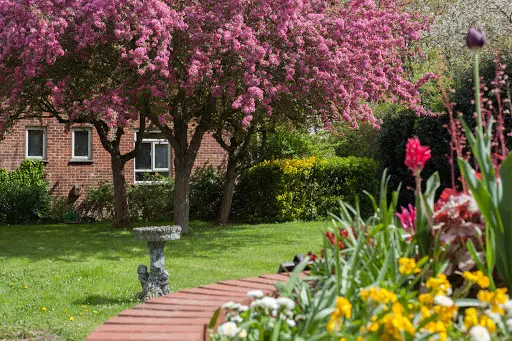
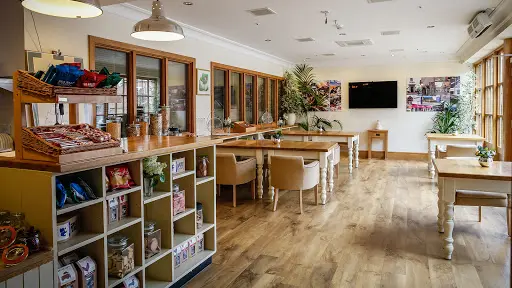
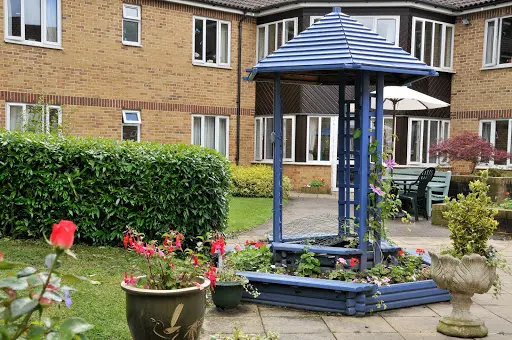
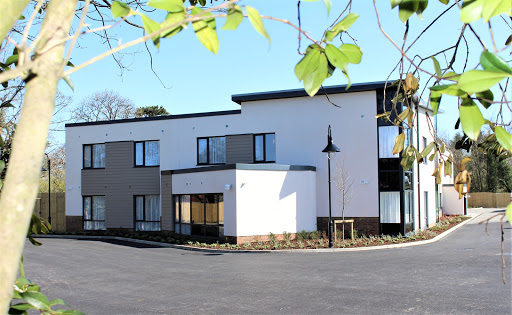
The home sits in spacious countryside grounds that families particularly appreciate. Inside, thoughtful design choices create comfortable living spaces that feel more residential than clinical. The building includes specialist facilities like a cinema and spa areas.
“Sometimes the right care home is one that gets the fundamentals absolutely right — and that's what families are finding here.”
DCC does not edit or curate content in this tab. For independently curated information, see The Evidence and DCC Verdict.