Good Companions Cumbria (Ltd)
At a Glance
The information you need to decide whether this home warrants a closer look.
Residential homes
Staff warmth score
of reviewers answered yes
Good to know
- Registered beds39
- SpecialismsCaring for adults over 65 yrs, Dementia
- Last inspected2023-03-04
Save Good Companions Cumbria (Ltd) to your shortlist
Keep a running list, add visit notes, and compare homes side-by-side. Free account — it takes a minute.
STAGE 4 — RESEARCHING CARE HOMES
Visit homes. Compare them side by side. Choose with confidence.
Most of us will view care homes the way we view houses, impression, atmosphere, the feeling in the corridor. We go home, try to remember what we saw, and make a permanent decision from a blurred memory.

The DCC shortlist gives every home you visit a structured record: the same twelve questions, answered the same way, every time. When you’re ready to choose, pull any two homes side by side and compare them directly. Same criteria, same evidence, your notes and your scores.
The Evidence
What the review data, the inspection reports, and the dementia-care evidence base tell us about this home.
What families say
The team here seems to grasp what families need during dementia's difficult progression. They've supported relatives through terminal decline with real attention to comfort and emotional care. The home keeps the right adaptive equipment and furnishings to help residents maintain their independence for as long as possible.
The eight family priority themes
- Staff warmth72
- Compassion & dignity74
- Cleanliness68
- Activities & engagement85
- Food quality60
- Healthcare68
- Management & leadership74
- Resident happiness75
What inspectors found
Inspected 2023-03-04
Is this home safe?
Is the care effective?
The Effective domain was rated Good, covering training, care planning, healthcare access, and food. The home holds a Dementia specialism, which means it has declared particular expertise in this area to the regulator. No specific detail about dementia training content, GP access arrangements, medication review processes, or food quality is available in the published summary. A Good rating in Effective requires inspectors to be satisfied that staff have the skills and knowledge to meet your parent's needs, and that care plans are in place and followed.Is this home caring?
The Caring domain was rated Good, meaning inspectors found evidence that staff treated people with kindness, respect, and dignity during the inspection. This domain covers how staff speak to and about your parent, whether privacy is maintained, and whether your parent's independence is supported rather than managed away. No direct quotes from residents or relatives are available in the published summary, and no specific observations about individual interactions are recorded here. The Good rating nonetheless reflects a positive overall picture.Is the home responsive?
The Responsive domain was rated Outstanding, the highest possible rating, meaning inspectors found strong and specific evidence that this home treats people as individuals, provides meaningful and varied activities, and responds to individual needs and preferences rather than applying a one-size approach. This is a rare rating and a genuine differentiator. The Responsive domain also covers how the home handles complaints and end-of-life care. No specific activity examples or individual stories are available in the published summary, but the Outstanding rating requires inspectors to have found multiple, specific examples of exceptional practice.Is the home well-led?
The Well-led domain was rated Good, and the home has a named Registered Manager (Mr Paul Smith) and a Nominated Individual (Mrs Sharon Stubs) both registered with the regulator at the time of the inspection. The improvement from a previous Requires Improvement rating across the whole home is the strongest available signal of leadership quality here: it means the management team identified problems, made changes, and sustained them long enough to achieve a Good rating at the next inspection. No specific detail about staff culture, governance processes, or how the home handles feedback is available in the published summary.
Source: CQC inspection report →
What the evidence base says
The Good Companions focuses on caring for adults over 65, with particular expertise in dementia support. Their dementia care extends through every stage, including skilled end-of-life support. The home maintains specialized equipment and creates an environment that adapts as residents' needs change. All areas worth probing directly during a visit.
The DCC Verdict
Our editorial view, built from the three lenses: what families tell us, what inspectors record, and how the home sits against good dementia-care practice.
DCC Family Score
This home scores well above average on activities and engagement, which reached Outstanding at inspection, and shows solid evidence of caring, responsive practice across most themes. Scores for food, cleanliness, and healthcare are moderate because the inspection report available to us contains limited specific detail in those areas.
Homes in North West typically score 68–82.The three-lens summary
What families tell us
The team here seems to grasp what families need during dementia's difficult progression. They've supported relatives through terminal decline with real attention to comfort and emotional care. The home keeps the right adaptive equipment and furnishings to help residents maintain their independence for as long as possible.
What inspectors have recorded
The manager appears to have created a culture where staff understand what good dementia care actually looks like. That consistency shows up in how the team approaches both daily care and those crucial end-of-life moments.
How it sits against good practice
Sometimes the right care home is the one that understands the whole journey, not just the easy parts.
Worth a visit
The Good Companions (Cumbria) Limited in Wigton was inspected on 1 February 2023 and rated Good overall, with an Outstanding rating for Responsive, the domain that covers activities, engagement, and how well the home treats your parent as an individual. This is a meaningful improvement from a previous rating of Requires Improvement, which shows the leadership team identified what needed to change and delivered it. The home specialises in dementia and residential care for adults over 65 across 39 beds, with a named Registered Manager and Nominated Individual in post. The main uncertainty is that the published inspection summary available to us contains limited specific detail beyond the domain ratings themselves. This means scores for areas like food quality, cleanliness, night staffing, and healthcare reflect the domain ratings but cannot be confirmed with direct observations or resident testimony. On your visit, focus on what you can see and hear for yourself: whether staff greet your parent by their preferred name, whether the corridors feel calm and unhurried, and whether someone can tell you clearly how many staff are on overnight. The Outstanding Responsive rating is a genuine positive signal, but ask specifically what one-to-one engagement looks like for a resident who cannot join group activities, as that is where the real test of person-centred dementia care lies.
The three questions to ask when you visitSave this home. Compare it against your shortlist.
Let our analysis show you how Good Companions Cumbria (Ltd) measures up against the other homes you’re considering. Free account.
In Their Own Words
How Good Companions Cumbria (Ltd) describes itself — collected from its own website. DCC has not edited or independently verified the content in this tab.
Where dementia care meets genuine compassion in rural Cumbria
The Good Companions (Cumbria) Limited – Expert Care in Wigton
Families facing the final chapter of dementia find something precious at The Good Companions in Wigton. This Cumbrian care home has built its reputation on the kind of sustained, thoughtful support that helps both residents and their loved ones through the hardest times. It's the sort of place where comfort isn't just about the right equipment — it's about understanding what matters most when everything else is changing.
Who they care for
The Good Companions focuses on caring for adults over 65, with particular expertise in dementia support.
Their dementia care extends through every stage, including skilled end-of-life support. The home maintains specialized equipment and creates an environment that adapts as residents' needs change.
“Sometimes the right care home is the one that understands the whole journey, not just the easy parts.”
DCC does not edit or curate content in this tab. For independently curated information, see The Evidence and DCC Verdict.
The DCC Verdict
Our editorial view, built from the three lenses: what families tell us, what inspectors record, and how the home sits against good dementia-care practice.
DCC Family Score
This home scores well above average on activities and engagement, which reached Outstanding at inspection, and shows solid evidence of caring, responsive practice across most themes. Scores for food, cleanliness, and healthcare are moderate because the inspection report available to us contains limited specific detail in those areas.
Homes in North West typically score 68–82.The three-lens summary
What families tell us
The team here seems to grasp what families need during dementia's difficult progression. They've supported relatives through terminal decline with real attention to comfort and emotional care. The home keeps the right adaptive equipment and furnishings to help residents maintain their independence for as long as possible.
What inspectors have recorded
The manager appears to have created a culture where staff understand what good dementia care actually looks like. That consistency shows up in how the team approaches both daily care and those crucial end-of-life moments.
How it sits against good practice
Sometimes the right care home is the one that understands the whole journey, not just the easy parts.
Worth a visit
The Good Companions (Cumbria) Limited in Wigton was inspected on 1 February 2023 and rated Good overall, with an Outstanding rating for Responsive, the domain that covers activities, engagement, and how well the home treats your parent as an individual. This is a meaningful improvement from a previous rating of Requires Improvement, which shows the leadership team identified what needed to change and delivered it. The home specialises in dementia and residential care for adults over 65 across 39 beds, with a named Registered Manager and Nominated Individual in post. The main uncertainty is that the published inspection summary available to us contains limited specific detail beyond the domain ratings themselves. This means scores for areas like food quality, cleanliness, night staffing, and healthcare reflect the domain ratings but cannot be confirmed with direct observations or resident testimony. On your visit, focus on what you can see and hear for yourself: whether staff greet your parent by their preferred name, whether the corridors feel calm and unhurried, and whether someone can tell you clearly how many staff are on overnight. The Outstanding Responsive rating is a genuine positive signal, but ask specifically what one-to-one engagement looks like for a resident who cannot join group activities, as that is where the real test of person-centred dementia care lies.
The three questions to ask when you visitSave this home. Compare it against your shortlist.
Let our analysis show you how Good Companions Cumbria (Ltd) measures up against the other homes you’re considering. Free account.
In Their Own Words
How Good Companions Cumbria (Ltd) describes itself — collected from its own website. DCC has not edited or independently verified the content in this tab.
Where dementia care meets genuine compassion in rural Cumbria
The Good Companions (Cumbria) Limited – Expert Care in Wigton
Families facing the final chapter of dementia find something precious at The Good Companions in Wigton. This Cumbrian care home has built its reputation on the kind of sustained, thoughtful support that helps both residents and their loved ones through the hardest times. It's the sort of place where comfort isn't just about the right equipment — it's about understanding what matters most when everything else is changing.
Who they care for
The Good Companions focuses on caring for adults over 65, with particular expertise in dementia support.
Their dementia care extends through every stage, including skilled end-of-life support. The home maintains specialized equipment and creates an environment that adapts as residents' needs change.
Management & ethos
The manager appears to have created a culture where staff understand what good dementia care actually looks like. That consistency shows up in how the team approaches both daily care and those crucial end-of-life moments.
The home & environment
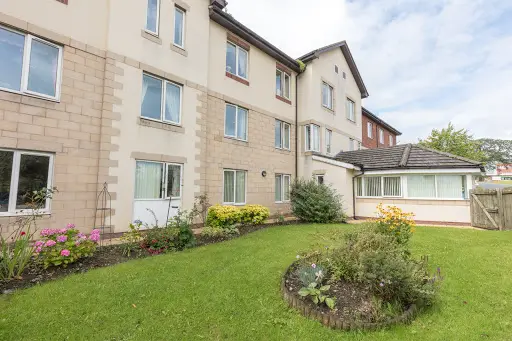
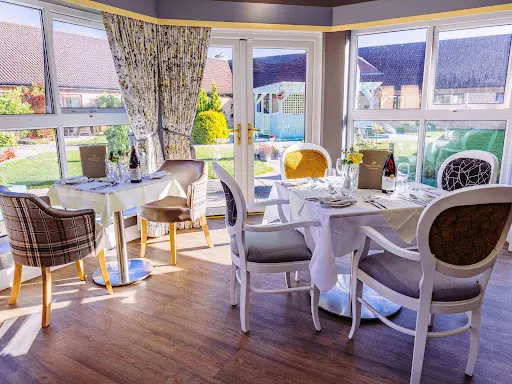
Meals come straight from their own kitchen, and residents seem genuinely pleased with what lands on their plates. There's a regular rhythm of activities and entertainment throughout the week that gives shape to the days.
“Sometimes the right care home is the one that understands the whole journey, not just the easy parts.”
DCC does not edit or curate content in this tab. For independently curated information, see The Evidence and DCC Verdict.