Peterlee Care Home
At a Glance
The information you need to decide whether this home warrants a closer look.
Nursing homes
Staff warmth score
of reviewers answered yes
Good to know
- Registered beds44
- SpecialismsCaring for adults over 65 yrs, Caring for adults under 65 yrs, Dementia, Learning disabilities, Physical disabilities, Sensory impairment
- Last inspected2022-11-04
Save Peterlee Care Home to your shortlist
Keep a running list, add visit notes, and compare homes side-by-side. Free account — it takes a minute.
STAGE 4 — RESEARCHING CARE HOMES
Visit homes. Compare them side by side. Choose with confidence.
Most of us will view care homes the way we view houses, impression, atmosphere, the feeling in the corridor. We go home, try to remember what we saw, and make a permanent decision from a blurred memory.

The DCC shortlist gives every home you visit a structured record: the same twelve questions, answered the same way, every time. When you’re ready to choose, pull any two homes side by side and compare them directly. Same criteria, same evidence, your notes and your scores.
The Evidence
What the review data, the inspection reports, and the dementia-care evidence base tell us about this home.
What families say
Visitors describe the care home as having friendly staff who keep families in the loop. When concerns arise, management reaches out proactively to relatives, helping everyone stay connected and informed about their loved one's care.
The eight family priority themes
- Staff warmth72
- Compassion & dignity72
- Cleanliness72
- Activities & engagement65
- Food quality65
- Healthcare70
- Management & leadership75
- Resident happiness70
What inspectors found
Inspected 2022-11-04
Is this home safe?
Is the care effective?
The Effective domain, which covers training, care planning, healthcare access, nutrition, and hydration, is rated Good. The home lists dementia as a specialism alongside learning disabilities, physical disabilities, and sensory impairment, indicating a broad clinical remit. No specific information about dementia training content, GP access arrangements, or how food and hydration needs are assessed is included in the published summary. The Good rating suggests inspectors found the home's approach to these areas satisfactory at the time of assessment.Is this home caring?
The Caring domain covers staff warmth, dignity, respect, and how well staff know the individuals they support. It is rated Good, which covers the largest weighted themes in DCC family review data: staff warmth (57.3% of positive reviews mention this) and compassion and dignity (55.2%). No specific inspector observations, resident quotes, or examples of how staff interact with residents are included in the published summary. The rating indicates inspectors were satisfied, but the absence of quoted evidence means families cannot see the detail behind the headline.Is the home responsive?
The Responsive domain, which covers activities, engagement, individuality, and end-of-life care, is rated Good. This domain is particularly significant for people living with dementia, for whom meaningful occupation and tailored engagement directly affect wellbeing. The home's listed specialisms include dementia and learning disabilities, suggesting staff should have experience of adapting activities to varying levels of ability. No specific information about the activity programme, one-to-one engagement, or end-of-life planning is included in the published summary.Is the home well-led?
The Well-led domain is rated Good, and the home has a named Registered Manager (Mrs Kayleigh Solomon) and a Nominated Individual (Mr Varghese Thomas) identified in the inspection record. Popular Care Ltd is the registered provider. The improvement from a previous Requires Improvement rating across all five domains is significant and indicates that the leadership team has driven meaningful change. No specific detail about management culture, staff empowerment, governance processes, or how the home handles complaints is included in the published summary.
Source: CQC inspection report →
What the evidence base says
The team here supports people with various needs including physical disabilities, sensory impairments, and learning disabilities. They care for both younger adults and those over 65. For residents living with dementia, the home provides specialist support alongside their other services, recognising that each person's needs are unique. All areas worth probing directly during a visit.
The DCC Verdict
Our editorial view, built from the three lenses: what families tell us, what inspectors record, and how the home sits against good dementia-care practice.
DCC Family Score
Peterlee Care Home has improved from Requires Improvement to a Good rating across all five domains, which is a meaningful and positive step. However, the inspection report published in November 2025 contains very limited specific detail, observations, or resident testimony, so scores reflect a solid but evidence-light picture that families should probe further on a visit.
Homes in North East typically score 68–82.The three-lens summary
What families tell us
Visitors describe the care home as having friendly staff who keep families in the loop. When concerns arise, management reaches out proactively to relatives, helping everyone stay connected and informed about their loved one's care.
What inspectors have recorded
How it sits against good practice
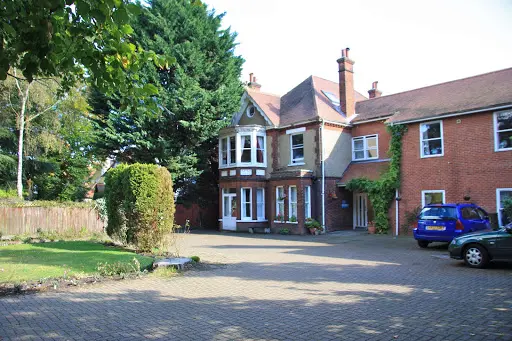
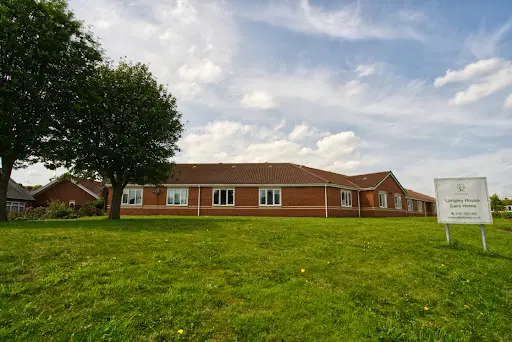
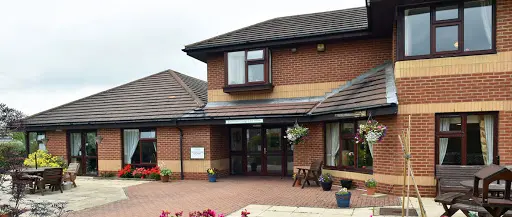
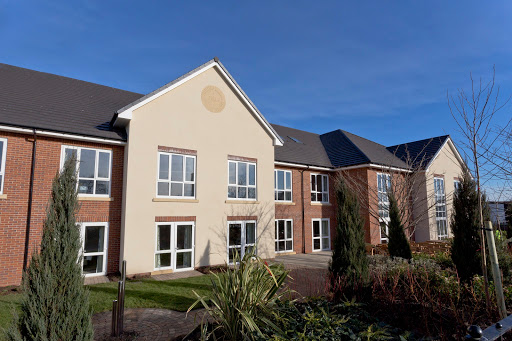
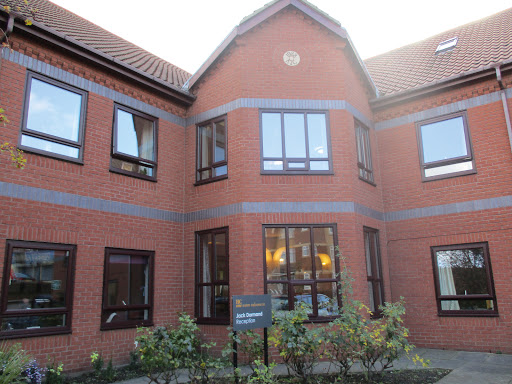
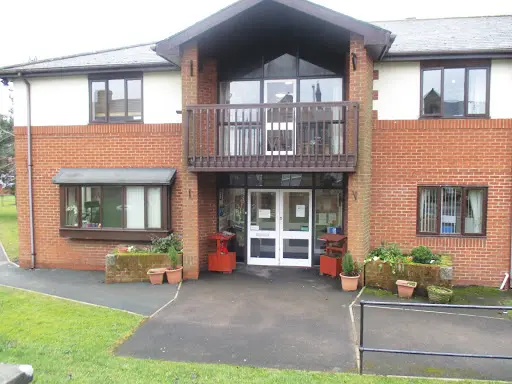
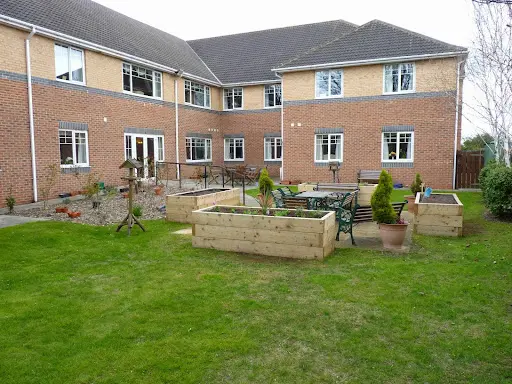
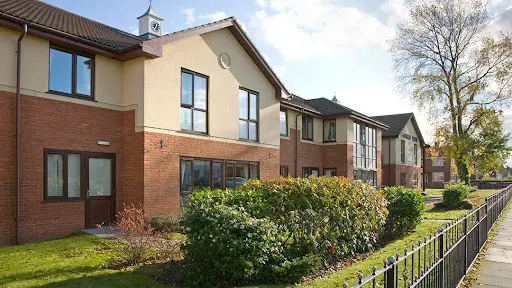
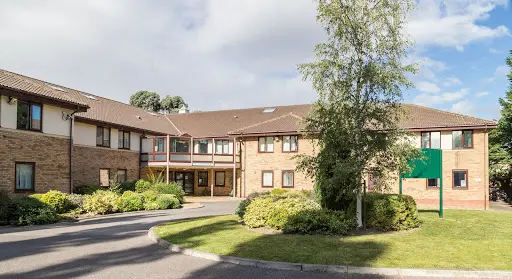
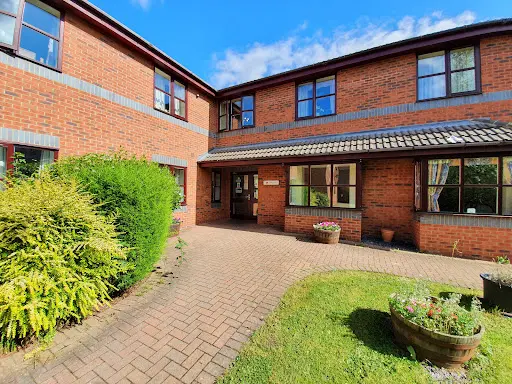
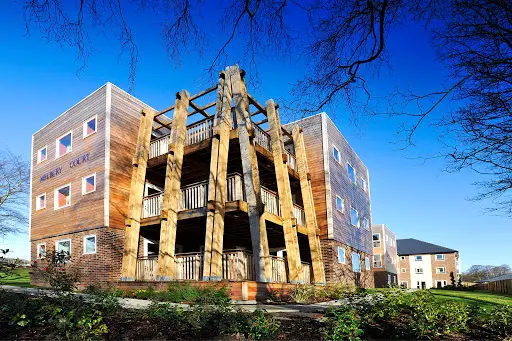
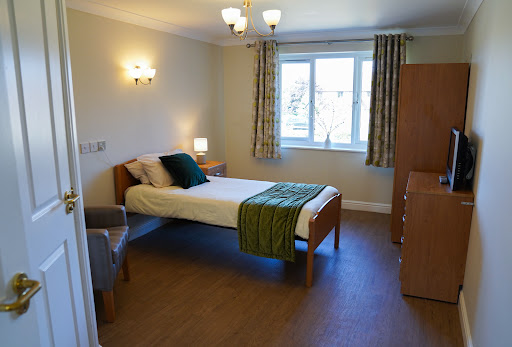
With its mix of indoor and outdoor spaces, Peterlee Care Home creates different environments where residents can feel comfortable and engaged.
Worth a visit
Peterlee Care Home, in Peterlee, County Durham, was assessed in May 2025 and received a Good rating across all five inspection domains: Safe, Effective, Caring, Responsive, and Well-led. This is a genuine improvement on a previous Requires Improvement rating, and it tells you the home has addressed concerns that inspectors previously raised. The home is run by Popular Care Ltd with a named Registered Manager and a Nominated Individual, giving a clear leadership structure. It supports a broad range of needs including dementia, learning disabilities, physical disabilities, and sensory impairment across 44 beds. The main uncertainty for families is the limited detail in the published report. The available summary confirms ratings but provides few specific observations, resident quotes, or examples of care in practice, which makes it hard to go beyond the headline result. On a visit, focus on what you can see and hear directly: are staff unhurried with your parent, do they use their preferred name, and how do they respond if your parent becomes distressed or confused? Ask specifically about night staffing numbers, how often care plans are reviewed with family involvement, and what one-to-one activity looks like for a resident who cannot join group sessions. The Good rating is encouraging, but the richest evidence will come from your own eyes on the ground.
The three questions to ask when you visitSave this home. Compare it against your shortlist.
Let our analysis show you how Peterlee Care Home measures up against the other homes you’re considering. Free account.
In Their Own Words
How Peterlee Care Home describes itself — collected from its own website. DCC has not edited or independently verified the content in this tab.
Supportive care across all ages with thoughtful outdoor spaces
Nursing home in Peterlee: True Peace of Mind
Finding the right care setting for someone with complex needs takes real consideration. Peterlee Care Home in the North East supports people of all ages with various conditions, from learning disabilities to dementia. The home focuses on creating opportunities for residents to enjoy everyday life, whether that's time in the gardens or catching a film in their cinema room.
Who they care for
The team here supports people with various needs including physical disabilities, sensory impairments, and learning disabilities. They care for both younger adults and those over 65.
For residents living with dementia, the home provides specialist support alongside their other services, recognising that each person's needs are unique.
“With its mix of indoor and outdoor spaces, Peterlee Care Home creates different environments where residents can feel comfortable and engaged.”
DCC does not edit or curate content in this tab. For independently curated information, see The Evidence and DCC Verdict.
The DCC Verdict
Our editorial view, built from the three lenses: what families tell us, what inspectors record, and how the home sits against good dementia-care practice.
DCC Family Score
Peterlee Care Home has improved from Requires Improvement to a Good rating across all five domains, which is a meaningful and positive step. However, the inspection report published in November 2025 contains very limited specific detail, observations, or resident testimony, so scores reflect a solid but evidence-light picture that families should probe further on a visit.
Homes in North East typically score 68–82.The three-lens summary
What families tell us
Visitors describe the care home as having friendly staff who keep families in the loop. When concerns arise, management reaches out proactively to relatives, helping everyone stay connected and informed about their loved one's care.
What inspectors have recorded
How it sits against good practice
With its mix of indoor and outdoor spaces, Peterlee Care Home creates different environments where residents can feel comfortable and engaged.
Worth a visit
Peterlee Care Home, in Peterlee, County Durham, was assessed in May 2025 and received a Good rating across all five inspection domains: Safe, Effective, Caring, Responsive, and Well-led. This is a genuine improvement on a previous Requires Improvement rating, and it tells you the home has addressed concerns that inspectors previously raised. The home is run by Popular Care Ltd with a named Registered Manager and a Nominated Individual, giving a clear leadership structure. It supports a broad range of needs including dementia, learning disabilities, physical disabilities, and sensory impairment across 44 beds. The main uncertainty for families is the limited detail in the published report. The available summary confirms ratings but provides few specific observations, resident quotes, or examples of care in practice, which makes it hard to go beyond the headline result. On a visit, focus on what you can see and hear directly: are staff unhurried with your parent, do they use their preferred name, and how do they respond if your parent becomes distressed or confused? Ask specifically about night staffing numbers, how often care plans are reviewed with family involvement, and what one-to-one activity looks like for a resident who cannot join group sessions. The Good rating is encouraging, but the richest evidence will come from your own eyes on the ground.
The three questions to ask when you visitSave this home. Compare it against your shortlist.
Let our analysis show you how Peterlee Care Home measures up against the other homes you’re considering. Free account.
In Their Own Words
How Peterlee Care Home describes itself — collected from its own website. DCC has not edited or independently verified the content in this tab.
Supportive care across all ages with thoughtful outdoor spaces
Nursing home in Peterlee: True Peace of Mind
Finding the right care setting for someone with complex needs takes real consideration. Peterlee Care Home in the North East supports people of all ages with various conditions, from learning disabilities to dementia. The home focuses on creating opportunities for residents to enjoy everyday life, whether that's time in the gardens or catching a film in their cinema room.
Who they care for
The team here supports people with various needs including physical disabilities, sensory impairments, and learning disabilities. They care for both younger adults and those over 65.
For residents living with dementia, the home provides specialist support alongside their other services, recognising that each person's needs are unique.
The home & environment
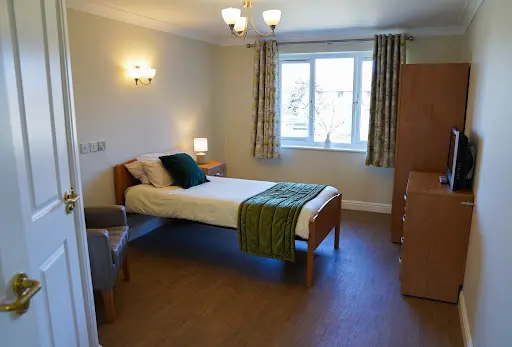
The grounds offer landscaped gardens with plenty of seating areas where residents and visitors can spend time together outdoors. Inside, there's a cinema for film afternoons, a hairdressing salon, and even a small shop — giving residents choices in their daily routine.
“With its mix of indoor and outdoor spaces, Peterlee Care Home creates different environments where residents can feel comfortable and engaged.”
DCC does not edit or curate content in this tab. For independently curated information, see The Evidence and DCC Verdict.