Firstlings Ltd

At a Glance
The information you need to decide whether this home warrants a closer look.
Residential homes
Staff warmth score
of reviewers answered yes
Good to know
- Registered beds32
- SpecialismsCaring for adults over 65 yrs, Dementia
- Last inspected2019-10-02
Save Firstlings Ltd to your shortlist
Keep a running list, add visit notes, and compare homes side-by-side. Free account — it takes a minute.
STAGE 4 — RESEARCHING CARE HOMES
Visit homes. Compare them side by side. Choose with confidence.
Most of us will view care homes the way we view houses, impression, atmosphere, the feeling in the corridor. We go home, try to remember what we saw, and make a permanent decision from a blurred memory.

The DCC shortlist gives every home you visit a structured record: the same twelve questions, answered the same way, every time. When you’re ready to choose, pull any two homes side by side and compare them directly. Same criteria, same evidence, your notes and your scores.
The Evidence
What the review data, the inspection reports, and the dementia-care evidence base tell us about this home.
What families say
The eight family priority themes
- Staff warmth85
- Compassion & dignity87
- Cleanliness72
- Activities & engagement80
- Food quality65
- Healthcare68
- Management & leadership85
- Resident happiness78
What inspectors found
Inspected 2019-10-02
Is this home safe?
Is the care effective?
The Effective domain is rated Good, meaning inspectors were satisfied that staff had the knowledge, training, and tools to deliver competent care. As a dementia specialist home, this suggests staff training in dementia is in place and that care plans reflect an understanding of individual health needs. Healthcare access — including GP contact and medication reviews — would have been reviewed as part of this domain. No specific detail about training content, care plan review frequency, or GP access arrangements is available from the published summary. Food quality and nutritional support also fall within this domain and are not described in the available text.Is this home caring?
Caring is rated Outstanding — the strongest signal this inspection provides. This rating requires inspectors to have found specific, direct evidence of kindness, dignity, and respect going well beyond compliance with basic standards. It typically involves direct observation of staff interactions, testimony from residents and relatives, and evidence that staff know individuals as people rather than as tasks. The home supports people living with dementia, which makes the Outstanding caring rating particularly significant, as dementia-specific compassion — responding to non-verbal distress, using familiar names, maintaining dignity during personal care — is harder to achieve and harder to fake. Specific quotes or observations from the inspection are not available in the published summary.Is the home responsive?
Responsive is also rated Outstanding, indicating that inspectors found strong evidence the home tailors its care and activities to individuals rather than delivering a one-size-fits-all programme. This domain covers activities, engagement, how complaints are handled, and how well the home meets the particular needs of people with dementia. For a 32-bed home with a dementia specialism, Outstanding in Responsive suggests that activities are meaningful and individualised, and that residents are supported to maintain aspects of their identity and previous life. Specific activity programme details, examples of individual engagement, or complaint handling evidence are not available from the published summary.Is the home well-led?
Well-led is rated Outstanding, the third Outstanding domain in this inspection. This indicates inspectors found strong, stable, and accountable leadership in place, with a culture that supports staff to do their jobs well and that is genuinely focused on improving outcomes for residents. The Registered Manager is Mrs Tina Bentley and the Nominated Individual is Mr Karn Inder Sohal of Sohal Healthcare Limited. Outstanding in Well-led requires evidence that governance systems are effective, that staff can raise concerns, that the home learns from incidents, and that leadership is visible and trusted. No detail about manager tenure, recent staffing changes, or staff survey results is available from the published summary.
Source: CQC inspection report →
What the evidence base says
The team at Firstlings provides residential care for adults over 65, with particular experience in supporting people living with dementia. For those considering dementia care options, the home offers specialised support tailored to residents' individual needs. The team understands the importance of creating a calm, reassuring environment for people navigating the challenges of dementia. All areas worth probing directly during a visit.
The DCC Verdict
Our editorial view, built from the three lenses: what families tell us, what inspectors record, and how the home sits against good dementia-care practice.
DCC Family Score
Firstlings scores strongly on the themes families care about most — kindness, dignity, and leadership — reflecting its Outstanding ratings in Caring, Responsive, and Well-led, though limited inspection detail on food, healthcare specifics, and night staffing means some important questions remain open.
Homes in East typically score 68–82.Worth a visit
Firstlings in Maldon holds an Overall Outstanding rating — the highest possible — with its most recent inspection completed in August 2020 and the rating confirmed as unchanged following a review in July 2023. The home is rated Outstanding in three domains: Caring, Responsive, and Well-led, meaning inspectors found specific, evidenced strengths in how staff treat residents with kindness and dignity, how the home tailors support to individuals, and how the service is managed and led. Safe and Effective are both rated Good, indicating no significant concerns in those areas. Dementia is a listed specialism, which means the home should have experience supporting your parent through all stages of the condition. The main uncertainty is that the full inspection report detail is not available in the published summary provided, meaning it is not possible to verify the specific observations, resident or family quotes, or evidence that underpinned these ratings. Outstanding is genuinely rare — fewer than 5% of care homes achieve it — so this is a meaningful signal, but ratings from a 2020 inspection reflect a snapshot in time. On your visit, ask directly about night staffing numbers, how agency staff use is managed, and what one-to-one time looks like for a resident who cannot join group activities. These are the areas where day-to-day reality most often differs from what an inspection captures.
The three questions to ask when you visitSave this home. Compare it against your shortlist.
Let our analysis show you how Firstlings Ltd measures up against the other homes you’re considering. Free account.
In Their Own Words
How Firstlings Ltd describes itself — collected from its own website. DCC has not edited or independently verified the content in this tab.
Caring support for older adults in peaceful Essex countryside
Firstlings – Your Trusted residential home
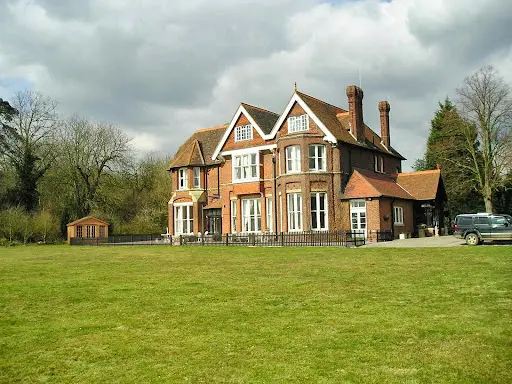
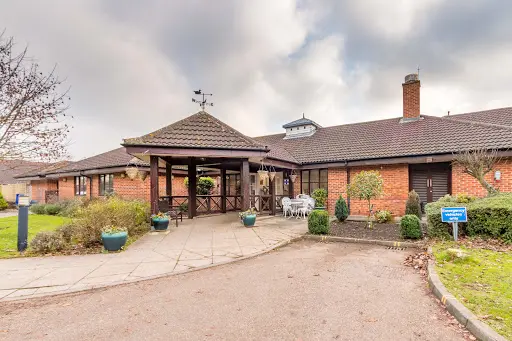
Finding the right care home means looking for genuine warmth and compassion — qualities that families visiting Firstlings in Maldon have noticed in the team's approach. This care home in the Essex countryside provides residential support for older adults, including those living with dementia. For families exploring options in the Maldon area, arranging a visit can help you get a feel for whether this might be the right place for your loved one.
Who they care for
The team at Firstlings provides residential care for adults over 65, with particular experience in supporting people living with dementia.
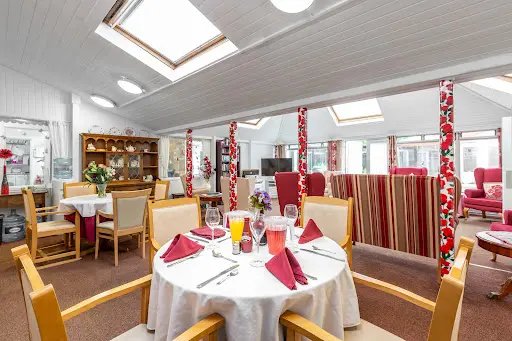
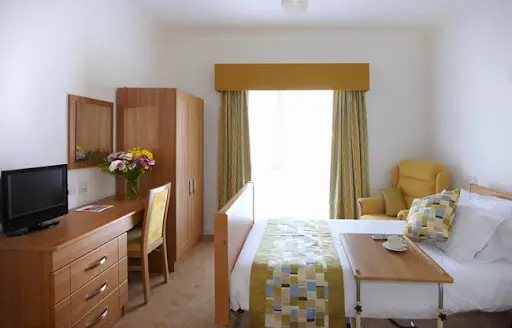
For those considering dementia care options, the home offers specialised support tailored to residents' individual needs. The team understands the importance of creating a calm, reassuring environment for people navigating the challenges of dementia.
“Getting to know a care home properly takes time — why not arrange a visit to see if Firstlings feels right for your family?”
DCC does not edit or curate content in this tab. For independently curated information, see The Evidence and DCC Verdict.
The DCC Verdict
Our editorial view, built from the three lenses: what families tell us, what inspectors record, and how the home sits against good dementia-care practice.
DCC Family Score
Firstlings scores strongly on the themes families care about most — kindness, dignity, and leadership — reflecting its Outstanding ratings in Caring, Responsive, and Well-led, though limited inspection detail on food, healthcare specifics, and night staffing means some important questions remain open.
Homes in East typically score 68–82.Worth a visit
Firstlings in Maldon holds an Overall Outstanding rating — the highest possible — with its most recent inspection completed in August 2020 and the rating confirmed as unchanged following a review in July 2023. The home is rated Outstanding in three domains: Caring, Responsive, and Well-led, meaning inspectors found specific, evidenced strengths in how staff treat residents with kindness and dignity, how the home tailors support to individuals, and how the service is managed and led. Safe and Effective are both rated Good, indicating no significant concerns in those areas. Dementia is a listed specialism, which means the home should have experience supporting your parent through all stages of the condition. The main uncertainty is that the full inspection report detail is not available in the published summary provided, meaning it is not possible to verify the specific observations, resident or family quotes, or evidence that underpinned these ratings. Outstanding is genuinely rare — fewer than 5% of care homes achieve it — so this is a meaningful signal, but ratings from a 2020 inspection reflect a snapshot in time. On your visit, ask directly about night staffing numbers, how agency staff use is managed, and what one-to-one time looks like for a resident who cannot join group activities. These are the areas where day-to-day reality most often differs from what an inspection captures.
The three questions to ask when you visitSave this home. Compare it against your shortlist.
Let our analysis show you how Firstlings Ltd measures up against the other homes you’re considering. Free account.
In Their Own Words
How Firstlings Ltd describes itself — collected from its own website. DCC has not edited or independently verified the content in this tab.
Caring support for older adults in peaceful Essex countryside
Firstlings – Your Trusted residential home
Finding the right care home means looking for genuine warmth and compassion — qualities that families visiting Firstlings in Maldon have noticed in the team's approach. This care home in the Essex countryside provides residential support for older adults, including those living with dementia. For families exploring options in the Maldon area, arranging a visit can help you get a feel for whether this might be the right place for your loved one.
Who they care for
The team at Firstlings provides residential care for adults over 65, with particular experience in supporting people living with dementia.
For those considering dementia care options, the home offers specialised support tailored to residents' individual needs. The team understands the importance of creating a calm, reassuring environment for people navigating the challenges of dementia.
“Getting to know a care home properly takes time — why not arrange a visit to see if Firstlings feels right for your family?”
DCC does not edit or curate content in this tab. For independently curated information, see The Evidence and DCC Verdict.