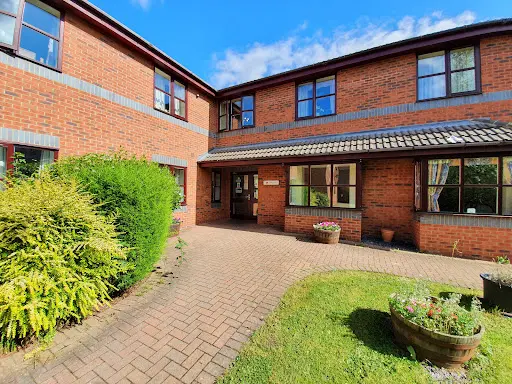
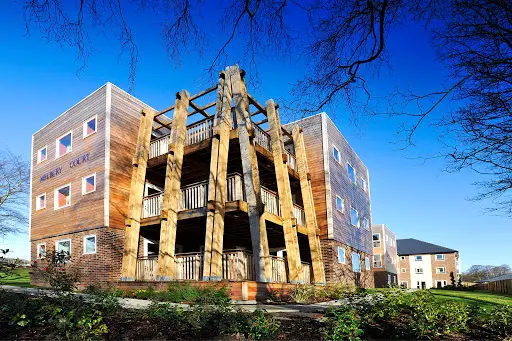
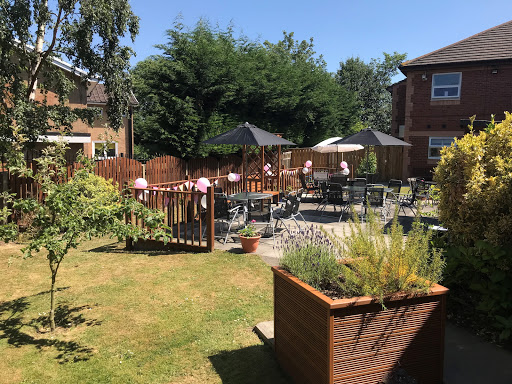
Willow View Care Home
At a Glance
The information you need to decide whether this home warrants a closer look.
Residential homes
Staff warmth score
of reviewers answered yes
Good to know
- Registered beds77
- SpecialismsCaring for adults over 65 yrs, Caring for adults under 65 yrs, Dementia, Physical disabilities, Sensory impairment
- Last inspected2024-03-22
Save Willow View Care Home to your shortlist
Keep a running list, add visit notes, and compare homes side-by-side. Free account — it takes a minute.
STAGE 4 — RESEARCHING CARE HOMES
Visit homes. Compare them side by side. Choose with confidence.
Most of us will view care homes the way we view houses, impression, atmosphere, the feeling in the corridor. We go home, try to remember what we saw, and make a permanent decision from a blurred memory.

The DCC shortlist gives every home you visit a structured record: the same twelve questions, answered the same way, every time. When you’re ready to choose, pull any two homes side by side and compare them directly. Same criteria, same evidence, your notes and your scores.
The Evidence
What the review data, the inspection reports, and the dementia-care evidence base tell us about this home.
What families say
The eight family priority themes
- Staff warmth52
- Compassion & dignity52
- Cleanliness52
- Activities & engagement52
- Food quality52
- Healthcare52
- Management & leadership52
- Resident happiness52
What inspectors found
Inspected 2024-03-22
Is this home safe?
Is the care effective?
The domain rating for Effective is listed as 'Not yet rated' in the data provided, though the October 2024 full inspection records Good. No specific findings about training, care plan quality, healthcare access, or food are present in the inspection text available for this analysis. The home lists dementia as a specialism, which means inspectors would typically expect to see evidence of dementia-specific training and care planning — but whether that evidence was found cannot be confirmed here. Families should not assume specialism status alone guarantees high-quality, individually tailored care. The full published report should be read carefully for any conditions, requirements, or recommendations in this domain.Is this home caring?
The Caring domain is listed as 'Not yet rated' in the data provided, though the October 2024 full inspection records Good. No inspector observations of staff interactions, no resident or family quotes, and no descriptions of how dignity and privacy are maintained in daily life are present in the available report text. This is the domain that matters most to families — staff warmth and compassion together account for over 55% of weighting in our family review scoring. The absence of any narrative here means families are working without the evidence they most need. The published full report should be the first document you read.Is the home responsive?
The Responsive domain is listed as 'Not yet rated' in the data provided, though the October 2024 full inspection records Good. No detail about activities programmes, individual engagement, complaints handling, or end-of-life planning is present in the available inspection text. For a 77-bed home that includes people living with dementia, physical disabilities, and sensory impairment, responsive care requires genuine individualisation — not a single group activities timetable applied uniformly. Without specific findings, families cannot assess whether the home has a meaningful answer to the question of what a typical day looks like for their parent.Is the home well-led?
The Well-led domain is listed as 'Not yet rated' in the data provided, though the October 2024 full inspection records Good. The home does have a named Registered Manager — Mr Apinder Singh Ghura — and a Nominated Individual, which provides a defined accountability structure. The improvement from Inadequate to Requires Improvement, and subsequently to Good in the October 2024 assessment, suggests leadership has driven meaningful change. However, no specific evidence of how the manager operates day-to-day, how staff are supported, or how the culture of the home has changed is available in the text provided here.
Source: CQC inspection report →
What the evidence base says
The home cares for adults both under and over 65, including those with physical disabilities and sensory impairments. They have experience supporting people with dementia. The team understands the unique challenges of dementia care. They work to create a supportive environment for residents with memory-related conditions. All areas worth probing directly during a visit.
The DCC Verdict
Our editorial view, built from the three lenses: what families tell us, what inspectors record, and how the home sits against good dementia-care practice.
DCC Family Score
The home has moved from Inadequate to Requires Improvement, which is a meaningful step forward, but the inspection report provided contains almost no specific observational detail — meaning we cannot confidently score individual themes and families should treat this score as provisional pending the full published report.
Homes in North East typically score 68–82.Worth a visit
Norton Court — listed at 1 Norton Court, Stockton-on-Tees — carries an overall rating of Requires Improvement following an inspection in March 2024. Critically, however, the inspection report text available for this analysis contains almost no substantive findings: no inspector observations, no resident or family quotes, and no domain-level detail are present in the provided text. What is clear is that the home has improved from a previous rating of Inadequate, which is a meaningful and positive step, and that a named Registered Manager and Nominated Individual are in post — a basic but important foundation. The main uncertainty here is significant: because the report text is near-empty, this Family View cannot tell you what inspectors actually saw, heard, or measured during their visit. A Requires Improvement rating on its own tells you the home is not yet meeting all required standards, but without the detail you cannot know which areas concern inspectors most. Before visiting, download the full published inspection report directly from the regulator's website. On your visit, ask specifically: how many permanent staff — not agency — are on the dementia unit after 10pm? What does a typical day look like for someone who cannot join group activities? And ask to speak with the Registered Manager directly about what has changed since the home was rated Inadequate.
The three questions to ask when you visitSave this home. Compare it against your shortlist.
Let our analysis show you how Willow View Care Home measures up against the other homes you’re considering. Free account.
In Their Own Words
How Willow View Care Home describes itself — collected from its own website. DCC has not edited or independently verified the content in this tab.
Caring staff who support families through difficult times
Residential home in Stockton On Tees: True Peace of Mind
When families need professional care during challenging moments, the team at Willow View Care Home in Stockton On Tees provides compassionate support. This care home offers specialised services for people with various needs, creating a supportive environment when it matters most.
Who they care for
The home cares for adults both under and over 65, including those with physical disabilities and sensory impairments. They have experience supporting people with dementia.
The team understands the unique challenges of dementia care. They work to create a supportive environment for residents with memory-related conditions.
“If you're considering care options in Stockton On Tees, visiting Willow View could help you understand their approach.”
DCC does not edit or curate content in this tab. For independently curated information, see The Evidence and DCC Verdict.
The DCC Verdict
Our editorial view, built from the three lenses: what families tell us, what inspectors record, and how the home sits against good dementia-care practice.
DCC Family Score
The home has moved from Inadequate to Requires Improvement, which is a meaningful step forward, but the inspection report provided contains almost no specific observational detail — meaning we cannot confidently score individual themes and families should treat this score as provisional pending the full published report.
Homes in North East typically score 68–82.Worth a visit
Norton Court — listed at 1 Norton Court, Stockton-on-Tees — carries an overall rating of Requires Improvement following an inspection in March 2024. Critically, however, the inspection report text available for this analysis contains almost no substantive findings: no inspector observations, no resident or family quotes, and no domain-level detail are present in the provided text. What is clear is that the home has improved from a previous rating of Inadequate, which is a meaningful and positive step, and that a named Registered Manager and Nominated Individual are in post — a basic but important foundation. The main uncertainty here is significant: because the report text is near-empty, this Family View cannot tell you what inspectors actually saw, heard, or measured during their visit. A Requires Improvement rating on its own tells you the home is not yet meeting all required standards, but without the detail you cannot know which areas concern inspectors most. Before visiting, download the full published inspection report directly from the regulator's website. On your visit, ask specifically: how many permanent staff — not agency — are on the dementia unit after 10pm? What does a typical day look like for someone who cannot join group activities? And ask to speak with the Registered Manager directly about what has changed since the home was rated Inadequate.
The three questions to ask when you visitSave this home. Compare it against your shortlist.
Let our analysis show you how Willow View Care Home measures up against the other homes you’re considering. Free account.
In Their Own Words
How Willow View Care Home describes itself — collected from its own website. DCC has not edited or independently verified the content in this tab.
Caring staff who support families through difficult times
Residential home in Stockton On Tees: True Peace of Mind
When families need professional care during challenging moments, the team at Willow View Care Home in Stockton On Tees provides compassionate support. This care home offers specialised services for people with various needs, creating a supportive environment when it matters most.
Who they care for
The home cares for adults both under and over 65, including those with physical disabilities and sensory impairments. They have experience supporting people with dementia.
The team understands the unique challenges of dementia care. They work to create a supportive environment for residents with memory-related conditions.
“If you're considering care options in Stockton On Tees, visiting Willow View could help you understand their approach.”
DCC does not edit or curate content in this tab. For independently curated information, see The Evidence and DCC Verdict.