The Firs Care Home
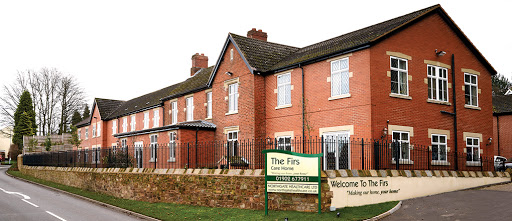
At a Glance
The information you need to decide whether this home warrants a closer look.
Residential homes
Staff warmth score
of reviewers answered yes
Good to know
- Registered beds57
- SpecialismsCaring for adults over 65 yrs, Dementia, Mental health conditions, Physical disabilities
- Last inspected2019-01-25
- Activities programmeThe home keeps its spaces clean and welcoming, something visitors often comment on when they first arrive. Residents speak positively about the food, finding meals that suit their tastes and needs.
- Visit Website
The Evidence
What the review data, the inspection reports, and the dementia-care evidence base tell us about this home.
What families say
Families describe a place where their relatives are treated as individuals first. The structured activities programme keeps days varied — from games and entertainment to trips out, there's usually something happening to spark interest or conversation. Residents themselves mention feeling genuinely cared for in their daily routines.
Based on 11 Google reviews · 0 reviews on carehome.co.uk · most recent 2026-04-10
The eight family priority themes
- Staff warmth55
- Compassion & dignity55
- Cleanliness55
- Activities & engagement50
- Food quality50
- Healthcare55
- Management & leadership60
- Resident happiness55
What inspectors found
Inspected 2019-01-25 · Report published 2019-01-25 · Inspected 2 times in the last three years
Is this home safe?
{"found":"The Safe domain was rated Good at the January 2019 inspection, and that rating has not been revised. The home is registered for 57 beds and covers a range of needs including dementia and physical disabilities, which increases the complexity of keeping people safe. The published report does not include specific observations about falls management, medicines administration, infection control, or staffing ratios. No concerns were raised in either the 2021 review or the 2023 desk-based check.","quotes":[],"family_meaning":"A Good safety rating tells you inspectors did not find serious gaps when they visited, which matters. However, the Good Practice evidence base highlights that safety tends to be most fragile on night shifts and in homes where agency staff cover a significant proportion of rotas, because unfamiliar faces respond more slowly to changed behaviour. With 57 beds and a dementia specialism, knowing the overnight staffing picture is particularly important. The inspection findings do not give you that detail, so you will need to ask for it directly.","evidence_base":"The IFF Research and Leeds Beckett rapid evidence review found that night staffing ratios and agency staff reliance are among the strongest predictors of safety incidents in residential dementia care. A home with a stable permanent team on nights is consistently associated with fewer falls and faster responses to deterioration.","watch_out":"Ask the manager to show you the actual staffing rota for the past two weeks, not a template. Note how many names are permanent staff versus agency, and specifically check the overnight columns for 57 beds."}
Is the care effective?
{"found":"The Effective domain was rated Good at the January 2019 inspection. This domain covers training, care planning, healthcare access, and nutrition. The published report contains no specific detail about dementia training content, GP access arrangements, care plan review frequency, or food quality. The home lists dementia as a specialism, which means inspectors would have expected to see appropriate training in place at the time of the visit.","quotes":[],"family_meaning":"Effectiveness in a dementia care home is largely invisible from the outside: it lives in the quality of care plans, the depth of dementia training, and whether the home spots health changes early. Our Good Practice evidence base shows that care plans work best when they are treated as living documents updated at least monthly and when families contribute to them. The inspection here confirms a Good standard was met, but gives you no window into whether care plans are detailed or generic, or whether staff training has been kept current since 2019. Food quality is a reliable everyday signal: if meals are varied, well-presented, and served at a relaxed pace, it usually reflects a culture of genuine care.","evidence_base":"The Good Practice evidence review found that homes with structured, regular care plan reviews that actively involve families saw better outcomes for people with dementia, including lower rates of unplanned hospital admission and greater resident wellbeing.","watch_out":"Ask to see a sample care plan (anonymised if needed) and ask when it was last updated and who was involved in reviewing it. Then ask how the home would contact you if your parent's health changed overnight."}
Is this home caring?
{"found":"The Caring domain was rated Good at the January 2019 inspection. This domain covers staff warmth, dignity, respect, and independence. No direct inspector observations, resident quotes, or relative quotes from the inspection are included in the published text. The absence of concerns in subsequent reviews suggests no significant deterioration was identified, but this is different from positive evidence of kind, unhurried care.","quotes":[],"family_meaning":"Staff warmth is the single biggest driver of family satisfaction in our review data, mentioned in 57.3% of positive reviews, and compassion and dignity follow closely at 55.2%. When families visit a home, they tend to know within minutes whether staff interactions feel genuine: watch whether carers make eye contact in corridors, whether they use your parent's preferred name without prompting, and whether they speak to your parent rather than about them. The inspection cannot give you this evidence directly here, but the visit can. A Good Caring rating means inspectors were satisfied at the time; your own observation on the day will tell you whether that standard has been maintained.","evidence_base":"The Good Practice evidence base identifies non-verbal communication as equally important as verbal interaction in dementia care. Staff who slow their pace, make eye contact, and mirror calm behaviour produce measurably lower agitation in residents with advanced dementia, even when verbal communication is limited.","watch_out":"Spend time in a communal area before and after your formal tour. Watch how staff move through the space: do they pause when they pass a resident, use their name, and make brief eye contact? Or do they move through without acknowledging the people sitting there?"}
Is the home responsive?
{"found":"The Responsive domain was rated Good at the January 2019 inspection. This domain covers activities, individual engagement, and how the home responds to complaints and changing needs. The published report contains no description of the activities programme, no examples of person-centred responses to individual needs, and no information about how the home handles end-of-life care. The home's specialism in dementia implies a need for adapted, individualised activities rather than purely group-based programmes.","quotes":[],"family_meaning":"Resident happiness is the third most important theme in our family review data, mentioned in 27.1% of positive reviews, and activities and engagement feature in 21.4%. The Good Practice evidence base is clear that for people with dementia, especially in the later stages, one-to-one engagement and familiar everyday tasks matter more than a busy group calendar. A Good rating in this domain is encouraging, but the inspection gives no detail about whether the activities here are varied, tailored, or available to people who can no longer join group sessions. This is worth exploring carefully on your visit.","evidence_base":"The Good Practice rapid evidence review found that Montessori-based and everyday-task approaches, such as folding laundry, tending plants, or sorting familiar objects, produced greater sustained engagement for people with moderate to advanced dementia than structured group activities.","watch_out":"Ask the activities coordinator to describe what a typical Tuesday looks like for a resident who prefers to stay in their room, and what would happen if your parent stopped wanting to join group sessions. The answer will tell you a great deal about how individual the approach really is."}
Is the home well-led?
{"found":"The Well-led domain was rated Good at the January 2019 inspection. A named Registered Manager and a Nominated Individual are recorded, indicating defined accountability at senior level. The published text contains no specific detail about manager visibility, staff culture, governance processes, or how the home handles complaints and learning from incidents. Subsequent reviews in 2021 and 2023 did not identify evidence requiring a rating change.","quotes":[],"family_meaning":"Management quality is the foundation that everything else rests on. Our family review data shows management and leadership feature in 23.4% of positive reviews, and the Good Practice evidence base confirms that leadership stability is one of the strongest predictors of consistent care quality over time. A home where the manager is well-known to residents and staff, where carers feel confident raising concerns, and where families receive proactive updates tends to perform better across all domains. The inspection here confirms leadership met the Good standard in 2019, but a gap of more than six years means the leadership team and culture may have changed. Ask directly how long the current manager has been in post.","evidence_base":"The Good Practice evidence review found that homes with a stable, visible manager who was known by name to most residents and staff showed consistently better outcomes on all quality measures, including lower staff turnover, fewer complaints, and higher resident wellbeing scores.","watch_out":"Ask the manager how long they have been in their current role and whether the registered manager named in the inspection is still in post. Also ask what they changed most recently as a result of a complaint or an incident. A specific, confident answer is a good sign."}
Source: CQC inspection report →
What the evidence base says
Against the DCC Good Practice in Dementia Care standards, this home’s evidence aligns most strongly on The Firs supports people over 65 with various needs including dementia, mental health conditions and physical disabilities.. Gaps or open questions remain on While the home lists dementia as a specialism, specific approaches to dementia care would be worth exploring during a visit to understand how they support residents with memory challenges. — areas worth probing directly during a visit.
The DCC Verdict
Our editorial view, built from the three lenses: what families tell us, what inspectors record, and how the home sits against good dementia-care practice.
DCC Family Score
The Firs Residential Home holds a Good rating across all five inspection domains, but the published inspection text contains very little specific detail, so scores reflect the presence of a positive rating rather than direct observed evidence. Families should treat this score as a starting point and gather more information directly from the home.
Homes in West Midlands typically score 68–82.The three-lens summary
What families tell us
Families describe a place where their relatives are treated as individuals first. The structured activities programme keeps days varied — from games and entertainment to trips out, there's usually something happening to spark interest or conversation. Residents themselves mention feeling genuinely cared for in their daily routines.
What inspectors have recorded
Staff here seem to understand that good care comes from knowing residents as people. Whether it's during regular daily care or in those more difficult final stages of life, families report feeling that their loved ones receive thoughtful, dignified support that extends to relatives too.
How it sits against good practice
Sometimes the measure of a care home is found in the quiet moments — a staff member pausing for a chat, a resident comfortable enough to share their thoughts about lunch.
Worth a visit
The Firs Residential Home, on Wodehouse Lane in Sedgley, was rated Good across all five inspection domains at its last full inspection in January 2019, with that rating confirmed as unchanged following a monitoring review in February 2021 and a further desk-based review in July 2023. The home is registered for 57 beds and lists dementia, mental health conditions, and physical disabilities among its specialisms. A named Registered Manager and Nominated Individual are recorded, indicating an established leadership structure. The main limitation for families is that the published report text contains almost no specific detail: no inspector observations, no resident or relative quotes, and no descriptions of day-to-day life. A Good rating is genuinely positive, but it is now more than six years old and the evidence behind it is not visible here. Before visiting, call the home and ask to speak to the manager. On the visit itself, watch how staff move through the building: do they make eye contact and use your parent's preferred name? Ask to see last week's actual staffing rota, not a template, and count how many permanent staff are on the night shift. Also ask directly when care plans are reviewed and how families are kept involved.
The three questions to ask when you visitSave this home. Compare it against your shortlist.
Let our analysis show you how The Firs Care Home measures up against the other homes you’re considering. Free account.
In Their Own Words
How The Firs Care Home describes itself — collected from its own website. DCC has not edited or independently verified the content in this tab.
Where dignity meets genuine care in the heart of Sedgley
Residential home in Sedgley: True Peace of Mind
When families visit The Firs Residential Home in Sedgley, they often notice how staff members stop to chat with residents about their day, their memories, or simply what's for lunch. It's this everyday respect that seems to define the atmosphere here. The home welcomes people living with dementia, mental health conditions and physical disabilities, creating a setting where different needs find common ground in thoughtful care.
Who they care for
The Firs supports people over 65 with various needs including dementia, mental health conditions and physical disabilities.
While the home lists dementia as a specialism, specific approaches to dementia care would be worth exploring during a visit to understand how they support residents with memory challenges.
Management & ethos
Staff here seem to understand that good care comes from knowing residents as people. Whether it's during regular daily care or in those more difficult final stages of life, families report feeling that their loved ones receive thoughtful, dignified support that extends to relatives too.
The home & environment
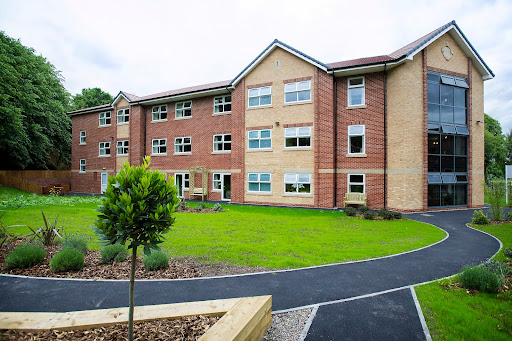
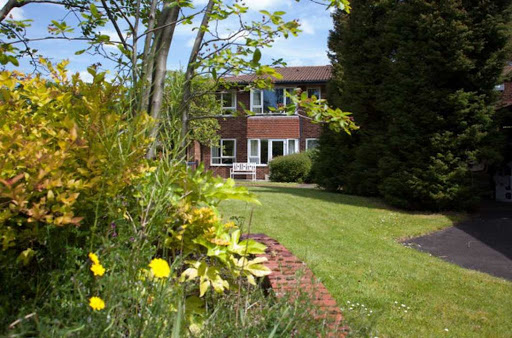
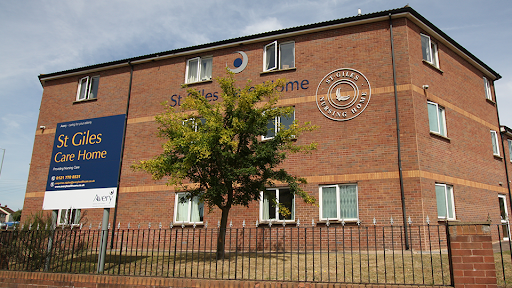
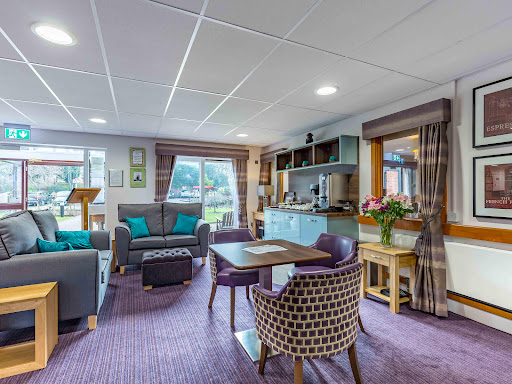
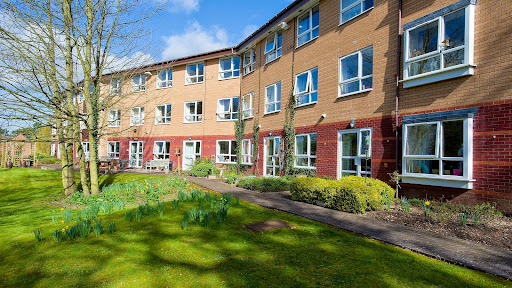
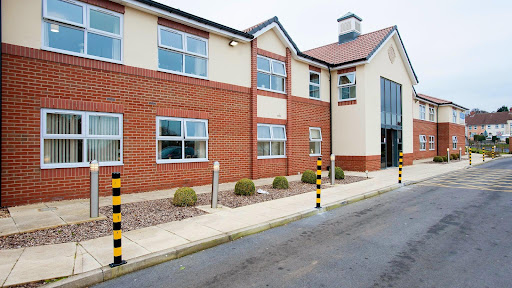
The home keeps its spaces clean and welcoming, something visitors often comment on when they first arrive. Residents speak positively about the food, finding meals that suit their tastes and needs.
“Sometimes the measure of a care home is found in the quiet moments — a staff member pausing for a chat, a resident comfortable enough to share their thoughts about lunch.”
DCC does not edit or curate content in this tab. For independently curated information, see The Evidence and DCC Verdict.