Karam Court Care Home – Minster Care Group
At a Glance
The information you need to decide whether this home warrants a closer look.
Residential homes
Staff warmth score
of reviewers answered yes
Good to know
- Registered beds51
- SpecialismsCaring for adults over 65 yrs, Dementia
- Last inspected2019-10-09
Save Karam Court Care Home – Minster Care Group to your shortlist
Keep a running list, add visit notes, and compare homes side-by-side. Free account — it takes a minute.
STAGE 4 — RESEARCHING CARE HOMES
Visit homes. Compare them side by side. Choose with confidence.
Most of us will view care homes the way we view houses, impression, atmosphere, the feeling in the corridor. We go home, try to remember what we saw, and make a permanent decision from a blurred memory.

The DCC shortlist gives every home you visit a structured record: the same twelve questions, answered the same way, every time. When you’re ready to choose, pull any two homes side by side and compare them directly. Same criteria, same evidence, your notes and your scores.
The Evidence
What the review data, the inspection reports, and the dementia-care evidence base tell us about this home.
What families say
The eight family priority themes
- Staff warmth55
- Compassion & dignity55
- Cleanliness55
- Activities & engagement50
- Food quality50
- Healthcare50
- Management & leadership60
- Resident happiness55
What inspectors found
Inspected 2019-10-09
Is this home safe?
Is the care effective?
The Effective domain was rated Good, suggesting that at the time of inspection, the home met expected standards around training, care planning, healthcare access, and nutritional support. The home specialises in dementia care for adults over 65, which means dementia-specific training and regularly reviewed care plans are particularly important. However, the published report provides no description of training content, GP access arrangements, how care plans are constructed, or how food quality and dietary needs are managed.Is this home caring?
The Caring domain was rated Good, which at inspection level indicates that staff interactions with residents were found to be respectful and that dignity was maintained. This is the domain most closely aligned with what families care about most — our data shows staff warmth (57.3%) and compassion and dignity (55.2%) are the two highest-weighted themes in positive family reviews. However, the published report contains no direct quotes from residents or relatives, no inspector observations of specific interactions, and no examples of how staff respond to distress or communicate with residents who have dementia.Is the home responsive?
The Responsive domain was rated Good, suggesting inspectors found the home met expectations around tailoring care to individuals, providing meaningful activities, and responding to complaints. For a dementia-specialist home with 51 beds, this should include activities designed for different stages of cognitive ability, including one-to-one engagement for residents who cannot participate in groups. The published report contains no description of the activities programme, no mention of individual engagement for residents with advanced dementia, and no resident testimony about whether they feel their life here has meaning.Is the home well-led?
The Well-led domain was rated Good, and this represents the most meaningful piece of evidence in the report: the home has moved from Requires Improvement to Good across all domains, which only happens when leadership identifies problems and drives sustained improvement. A named Registered Manager and Nominated Individual are in post. However, the inspection was conducted in September 2019 — over five years ago — and the July 2023 review was a desk-based exercise, not a fresh inspection. Leadership stability and culture can change significantly in five years.
Source: CQC inspection report →
What the evidence base says
The home provides specialist dementia care alongside general support for older adults. Staff work with each resident's specific needs rather than taking a one-size-fits-all approach. For residents living with dementia, the team understands that health changes can happen quickly and sometimes without clear warning signs. Their approach focuses on knowing each person well enough to spot when something isn't quite right. All areas worth probing directly during a visit.
The DCC Verdict
Our editorial view, built from the three lenses: what families tell us, what inspectors record, and how the home sits against good dementia-care practice.
DCC Family Score
Karam Court holds a Good rating across all five inspection domains and has improved from a previous Requires Improvement — a genuinely positive trajectory — but the inspection report contains very little specific detail, meaning families should treat this score as a baseline and verify key areas directly with the home.
Homes in West Midlands typically score 68–82.Worth a visit
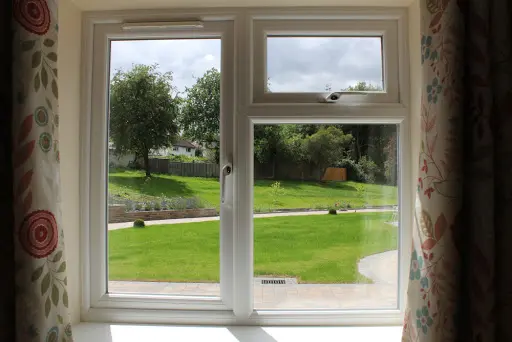
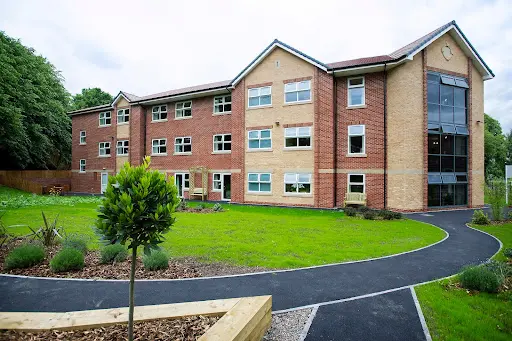
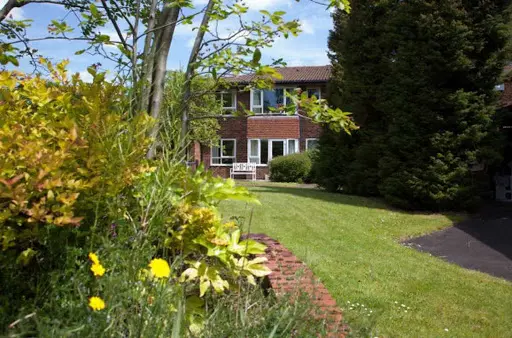
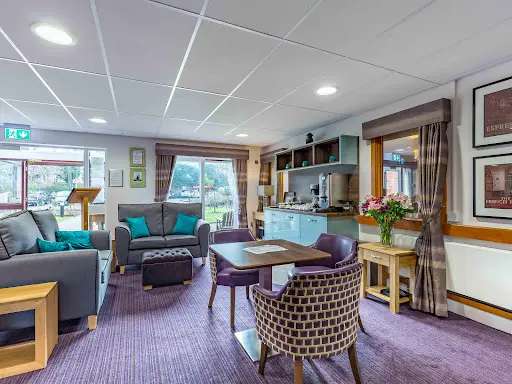
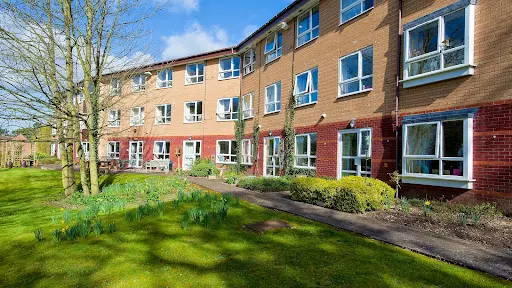
Karam Court Care Home in Smethwick holds a Good rating across all five inspection domains, assessed in September 2019 and reviewed in July 2023 with no evidence found to warrant reassessment. The most meaningful positive signal here is the direction of travel: the home previously held a Requires Improvement rating and has since improved to Good across every domain, which suggests the management team identified problems and addressed them — a marker that Good Practice research associates with more stable, accountable leadership. The significant limitation is that the published report contains almost no specific detail — no inspector observations, no resident or family quotes, no descriptions of mealtimes, activities, staffing levels, or the physical environment. This means the Family Score reflects the official rating rather than rich evidence, and many questions that matter most to families remain genuinely unanswered. Before making a decision, ask specifically: how many staff are on the dementia unit after 8pm; what is the home's current agency staff usage; and can you see the actual activity schedule and sit in on a mealtime during your visit. The July 2023 review date also means the last full inspection is now over five years old — ask the home whether any significant staffing or management changes have occurred since then.
The three questions to ask when you visitSave this home. Compare it against your shortlist.
Let our analysis show you how Karam Court Care Home – Minster Care Group measures up against the other homes you’re considering. Free account.
In Their Own Words
How Karam Court Care Home – Minster Care Group describes itself — collected from its own website. DCC has not edited or independently verified the content in this tab.
Where quick thinking meets genuine care when it matters most
Karam Court Care Home – Your Trusted residential home
When health takes an unexpected turn, the difference between worry and relief often comes down to how quickly staff respond. Karam Court Care Home in Smethwick understands this deeply. This smaller care home for over-65s, including those living with dementia, has shown families that attentive care means spotting changes early and acting fast.
Who they care for
The home provides specialist dementia care alongside general support for older adults. Staff work with each resident's specific needs rather than taking a one-size-fits-all approach.
For residents living with dementia, the team understands that health changes can happen quickly and sometimes without clear warning signs. Their approach focuses on knowing each person well enough to spot when something isn't quite right.
“Sometimes the measure of good care is found in those critical moments when everything changes in an instant.”
DCC does not edit or curate content in this tab. For independently curated information, see The Evidence and DCC Verdict.
The DCC Verdict
Our editorial view, built from the three lenses: what families tell us, what inspectors record, and how the home sits against good dementia-care practice.
DCC Family Score
Karam Court holds a Good rating across all five inspection domains and has improved from a previous Requires Improvement — a genuinely positive trajectory — but the inspection report contains very little specific detail, meaning families should treat this score as a baseline and verify key areas directly with the home.
Homes in West Midlands typically score 68–82.Worth a visit
Karam Court Care Home in Smethwick holds a Good rating across all five inspection domains, assessed in September 2019 and reviewed in July 2023 with no evidence found to warrant reassessment. The most meaningful positive signal here is the direction of travel: the home previously held a Requires Improvement rating and has since improved to Good across every domain, which suggests the management team identified problems and addressed them — a marker that Good Practice research associates with more stable, accountable leadership. The significant limitation is that the published report contains almost no specific detail — no inspector observations, no resident or family quotes, no descriptions of mealtimes, activities, staffing levels, or the physical environment. This means the Family Score reflects the official rating rather than rich evidence, and many questions that matter most to families remain genuinely unanswered. Before making a decision, ask specifically: how many staff are on the dementia unit after 8pm; what is the home's current agency staff usage; and can you see the actual activity schedule and sit in on a mealtime during your visit. The July 2023 review date also means the last full inspection is now over five years old — ask the home whether any significant staffing or management changes have occurred since then.
The three questions to ask when you visitSave this home. Compare it against your shortlist.
Let our analysis show you how Karam Court Care Home – Minster Care Group measures up against the other homes you’re considering. Free account.
In Their Own Words
How Karam Court Care Home – Minster Care Group describes itself — collected from its own website. DCC has not edited or independently verified the content in this tab.
Where quick thinking meets genuine care when it matters most
Karam Court Care Home – Your Trusted residential home
When health takes an unexpected turn, the difference between worry and relief often comes down to how quickly staff respond. Karam Court Care Home in Smethwick understands this deeply. This smaller care home for over-65s, including those living with dementia, has shown families that attentive care means spotting changes early and acting fast.
Who they care for
The home provides specialist dementia care alongside general support for older adults. Staff work with each resident's specific needs rather than taking a one-size-fits-all approach.
For residents living with dementia, the team understands that health changes can happen quickly and sometimes without clear warning signs. Their approach focuses on knowing each person well enough to spot when something isn't quite right.
Management & ethos
The team here has demonstrated real capability in moments that count. When one resident's health suddenly changed, staff picked up on the signs immediately and got medical help involved straight away. That kind of attentiveness — noticing what others might miss — gives families confidence that their loved ones are being properly looked after.
“Sometimes the measure of good care is found in those critical moments when everything changes in an instant.”
DCC does not edit or curate content in this tab. For independently curated information, see The Evidence and DCC Verdict.