Island Court Care Home
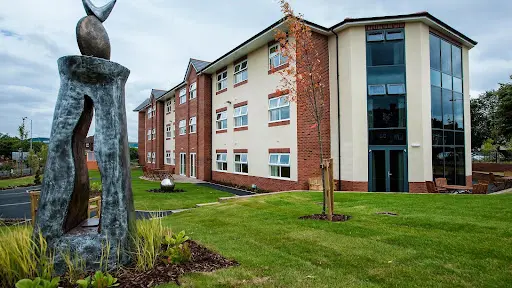
At a Glance
The information you need to decide whether this home warrants a closer look.
Nursing homes
Staff warmth score
of reviewers answered yes
Good to know
- Registered beds55
- SpecialismsCaring for adults over 65 yrs, Dementia, Physical disabilities, Sensory impairment
- Last inspected2022-12-08
Save Island Court Care Home to your shortlist
Keep a running list, add visit notes, and compare homes side-by-side. Free account — it takes a minute.
STAGE 4 — RESEARCHING CARE HOMES
Visit homes. Compare them side by side. Choose with confidence.
Most of us will view care homes the way we view houses, impression, atmosphere, the feeling in the corridor. We go home, try to remember what we saw, and make a permanent decision from a blurred memory.

The DCC shortlist gives every home you visit a structured record: the same twelve questions, answered the same way, every time. When you’re ready to choose, pull any two homes side by side and compare them directly. Same criteria, same evidence, your notes and your scores.
The Evidence
What the review data, the inspection reports, and the dementia-care evidence base tell us about this home.
What families say
Families describe a place where residents who arrive withdrawn gradually rediscover their spark. The team here seems to have a knack for drawing people out, whether through shared activities or just taking time to chat. Several families mention how their loved ones went from keeping to themselves to actively joining in with others.
The eight family priority themes
- Staff warmth55
- Compassion & dignity55
- Cleanliness55
- Activities & engagement50
- Food quality50
- Healthcare55
- Management & leadership55
- Resident happiness52
What inspectors found
Inspected 2022-12-08
Is this home safe?
Is the care effective?
The effective domain was rated Good at the August 2025 inspection. This covers training, care planning, access to healthcare professionals, and nutritional support. No specific detail was published about dementia training content, GP access arrangements, care plan quality, or how food choices are managed. The home lists dementia as a specialism, which means inspectors would have looked at whether staff training reflects that specialism, but the published summary does not describe what they found in practice.Is this home caring?
The caring domain was rated Good at the August 2025 inspection. This domain covers staff warmth, dignity, respect, and whether residents are treated as individuals. No direct quotes from residents or relatives were included in the published summary, and no specific inspector observations about staff interactions were described. The rating itself indicates that inspectors were satisfied with what they saw, but the published text does not allow families to see the evidence behind that conclusion.Is the home responsive?
The responsive domain was rated Good at the August 2025 inspection. This covers whether the home meets individual needs, provides meaningful activities, supports independence, and plans for end of life. No specific description of the activity programme, individual engagement, or end-of-life arrangements was included in the published summary. The home lists dementia, physical disabilities, and sensory impairment as specialisms, which means responsiveness to a wide range of needs is expected.Is the home well-led?
The well-led domain was rated Good at the August 2025 inspection. The registered manager is named as Miss Natasha Louise Stanley, and the nominated individual is Mrs Nicola Jane Barnes. Both are on record with the regulator. No specific detail was published about management visibility, staff culture, governance systems, or how the home responded to the previous Inadequate rating. The improvement from Inadequate to Good across all domains suggests that leadership changes or improvements were made, but the published summary does not describe them.
Source: CQC inspection report →
What the evidence base says
The home provides specialist support for dementia, sensory impairments, and physical disabilities for residents over 65. Their dementia care includes both residential support and approaches tailored to individual needs. Families dealing with severe dementia describe patient, calm responses from staff who understand the condition deeply. The team maintains genuine engagement with residents experiencing significant cognitive changes, adapting their approach as needs evolve. All areas worth probing directly during a visit.
The DCC Verdict
Our editorial view, built from the three lenses: what families tell us, what inspectors record, and how the home sits against good dementia-care practice.
DCC Family Score
The home has moved from Inadequate to a full set of Good ratings across all five domains at its most recent assessment, which is a meaningful improvement. However, the published inspection report contains very little specific observational detail, so scores reflect the rating itself rather than rich supporting evidence.
Homes in West Midlands typically score 68–82.The three-lens summary
What families tell us
Families describe a place where residents who arrive withdrawn gradually rediscover their spark. The team here seems to have a knack for drawing people out, whether through shared activities or just taking time to chat. Several families mention how their loved ones went from keeping to themselves to actively joining in with others.
What inspectors have recorded
The management team stays visible and approachable, with families finding them ready to listen and act on concerns. When issues crop up — whether it's tweaking care routines or chasing up external healthcare — they work with families to find solutions. Staff do stay busy, and families note this, but the underlying friendliness and willingness to help shine through even during hectic moments.
How it sits against good practice
While one serious concern has been raised that warrants investigation, the overwhelming pattern from families speaks to a home that understands what matters most when life becomes difficult.
Worth a visit
The home at Bourne Street, Bilston was rated Good across all five inspection domains at its assessment in August 2025, published in October 2025. This follows a previous rating of Inadequate, making the improvement substantial and worth acknowledging. The home is registered for 55 beds and lists dementia, physical disabilities, and sensory impairment as specialisms, alongside general nursing care for adults over 65. The main uncertainty here is that the published inspection text contains very little specific observational detail: no quotes from residents or relatives, no staffing ratios, no descriptions of mealtimes or activities. A Good rating is meaningful, but it tells you where the home was on the day of inspection, not what your parent's daily experience would look like. Before making a decision, visit in person during a weekday morning when routines are most visible, ask to see the dementia-specific training records, and request the actual night staffing rota rather than the planned template.
The three questions to ask when you visitSave this home. Compare it against your shortlist.
Let our analysis show you how Island Court Care Home measures up against the other homes you’re considering. Free account.
In Their Own Words
How Island Court Care Home describes itself — collected from its own website. DCC has not edited or independently verified the content in this tab.
Where families find genuine comfort through life's toughest moments
Nursing home in Bilston: True Peace of Mind
When the hardest days arrive, the difference between a care home and true care becomes crystal clear. Island Court Care Home in Bilston has built its reputation on being there when families need them most — not just with professional support, but with the kind of genuine compassion that helps everyone through.
Who they care for
The home provides specialist support for dementia, sensory impairments, and physical disabilities for residents over 65. Their dementia care includes both residential support and approaches tailored to individual needs.
Families dealing with severe dementia describe patient, calm responses from staff who understand the condition deeply. The team maintains genuine engagement with residents experiencing significant cognitive changes, adapting their approach as needs evolve.
“While one serious concern has been raised that warrants investigation, the overwhelming pattern from families speaks to a home that understands what matters most when life becomes difficult.”
DCC does not edit or curate content in this tab. For independently curated information, see The Evidence and DCC Verdict.
The DCC Verdict
Our editorial view, built from the three lenses: what families tell us, what inspectors record, and how the home sits against good dementia-care practice.
DCC Family Score
The home has moved from Inadequate to a full set of Good ratings across all five domains at its most recent assessment, which is a meaningful improvement. However, the published inspection report contains very little specific observational detail, so scores reflect the rating itself rather than rich supporting evidence.
Homes in West Midlands typically score 68–82.The three-lens summary
What families tell us
Families describe a place where residents who arrive withdrawn gradually rediscover their spark. The team here seems to have a knack for drawing people out, whether through shared activities or just taking time to chat. Several families mention how their loved ones went from keeping to themselves to actively joining in with others.
What inspectors have recorded
The management team stays visible and approachable, with families finding them ready to listen and act on concerns. When issues crop up — whether it's tweaking care routines or chasing up external healthcare — they work with families to find solutions. Staff do stay busy, and families note this, but the underlying friendliness and willingness to help shine through even during hectic moments.
How it sits against good practice
While one serious concern has been raised that warrants investigation, the overwhelming pattern from families speaks to a home that understands what matters most when life becomes difficult.
Worth a visit
The home at Bourne Street, Bilston was rated Good across all five inspection domains at its assessment in August 2025, published in October 2025. This follows a previous rating of Inadequate, making the improvement substantial and worth acknowledging. The home is registered for 55 beds and lists dementia, physical disabilities, and sensory impairment as specialisms, alongside general nursing care for adults over 65. The main uncertainty here is that the published inspection text contains very little specific observational detail: no quotes from residents or relatives, no staffing ratios, no descriptions of mealtimes or activities. A Good rating is meaningful, but it tells you where the home was on the day of inspection, not what your parent's daily experience would look like. Before making a decision, visit in person during a weekday morning when routines are most visible, ask to see the dementia-specific training records, and request the actual night staffing rota rather than the planned template.
The three questions to ask when you visitSave this home. Compare it against your shortlist.
Let our analysis show you how Island Court Care Home measures up against the other homes you’re considering. Free account.
In Their Own Words
How Island Court Care Home describes itself — collected from its own website. DCC has not edited or independently verified the content in this tab.
Where families find genuine comfort through life's toughest moments
Nursing home in Bilston: True Peace of Mind
When the hardest days arrive, the difference between a care home and true care becomes crystal clear. Island Court Care Home in Bilston has built its reputation on being there when families need them most — not just with professional support, but with the kind of genuine compassion that helps everyone through.
Who they care for
The home provides specialist support for dementia, sensory impairments, and physical disabilities for residents over 65. Their dementia care includes both residential support and approaches tailored to individual needs.
Families dealing with severe dementia describe patient, calm responses from staff who understand the condition deeply. The team maintains genuine engagement with residents experiencing significant cognitive changes, adapting their approach as needs evolve.
Management & ethos
The management team stays visible and approachable, with families finding them ready to listen and act on concerns. When issues crop up — whether it's tweaking care routines or chasing up external healthcare — they work with families to find solutions. Staff do stay busy, and families note this, but the underlying friendliness and willingness to help shine through even during hectic moments.
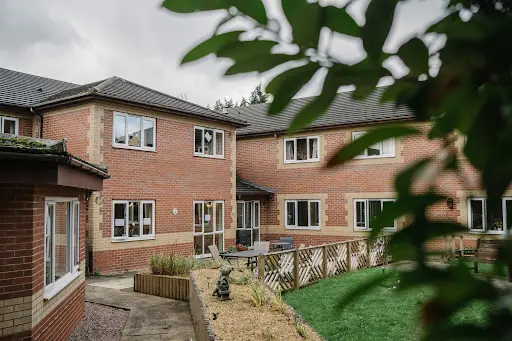
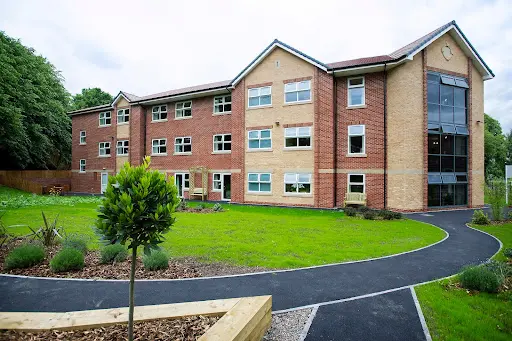
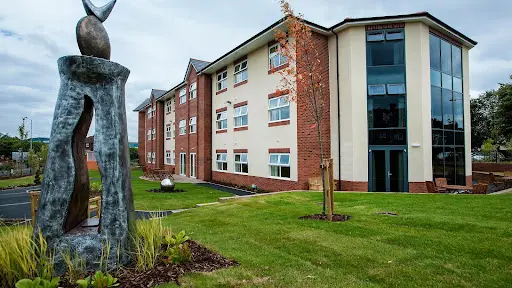
The home & environment
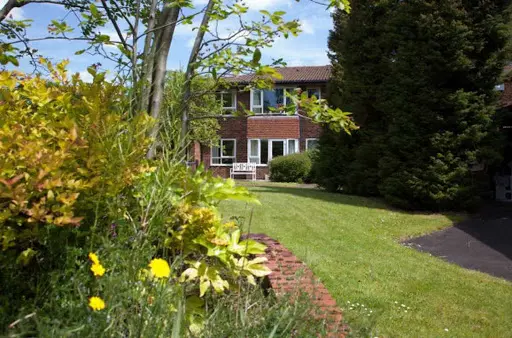
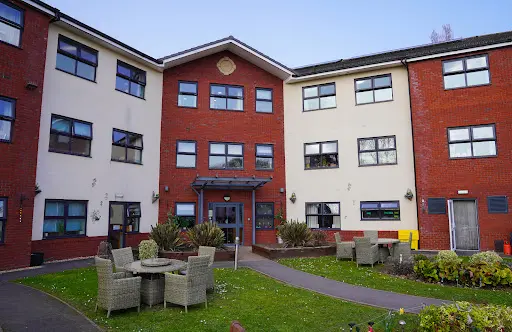
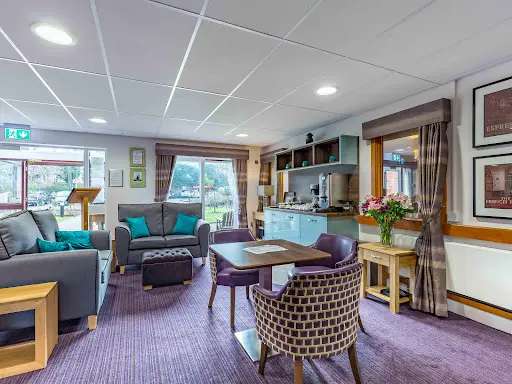
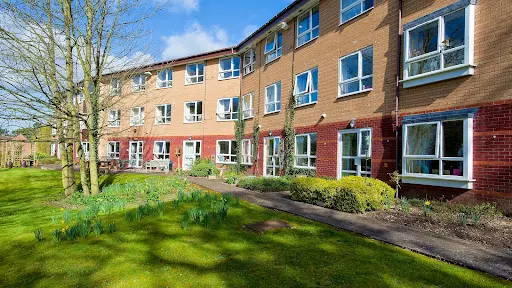
The home maintains spotless conditions throughout, something visitors consistently notice. Resident rooms are described as comfortable and well-kept, creating personal spaces where people feel settled. When specific dietary needs arise, the kitchen adapts meals without fuss.
“While one serious concern has been raised that warrants investigation, the overwhelming pattern from families speaks to a home that understands what matters most when life becomes difficult.”
DCC does not edit or curate content in this tab. For independently curated information, see The Evidence and DCC Verdict.