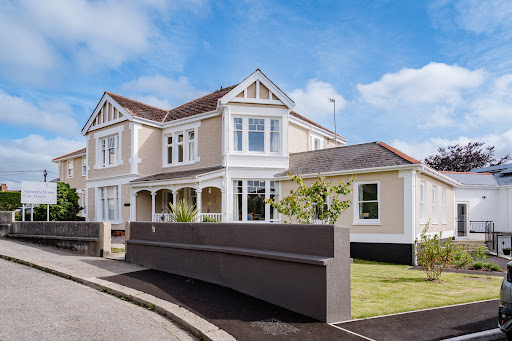
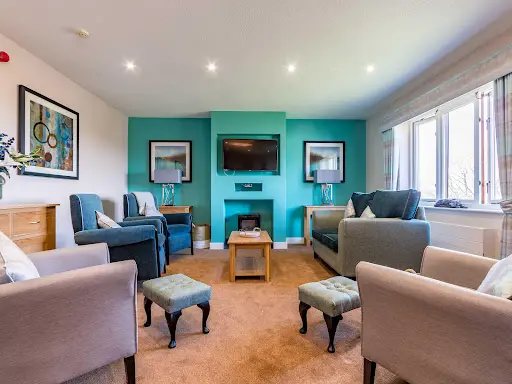
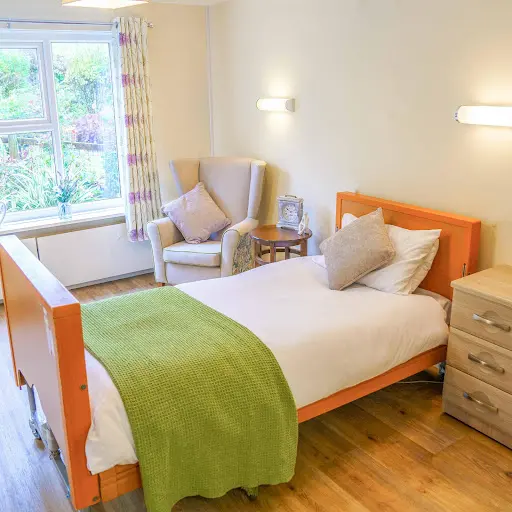
Eshcol House Nursing Home

At a Glance
The information you need to decide whether this home warrants a closer look.
Nursing homes
Staff warmth score
of reviewers answered yes
Good to know
- Registered beds31
- SpecialismsCaring for adults over 65 yrs, Caring for adults under 65 yrs, Dementia, Mental health conditions, Physical disabilities
- Last inspected2023-02-17
Save Eshcol House Nursing Home to your shortlist
Keep a running list, add visit notes, and compare homes side-by-side. Free account — it takes a minute.
STAGE 4 — RESEARCHING CARE HOMES
Visit homes. Compare them side by side. Choose with confidence.
Most of us will view care homes the way we view houses, impression, atmosphere, the feeling in the corridor. We go home, try to remember what we saw, and make a permanent decision from a blurred memory.

The DCC shortlist gives every home you visit a structured record: the same twelve questions, answered the same way, every time. When you’re ready to choose, pull any two homes side by side and compare them directly. Same criteria, same evidence, your notes and your scores.
The Evidence
What the review data, the inspection reports, and the dementia-care evidence base tell us about this home.
What families say
Families speak warmly about how staff keep them connected to their loved ones' daily lives, sharing updates and responding quickly when needs change. The home has shown flexibility in accommodating short-notice respite stays, preparing rooms promptly for new arrivals.
The eight family priority themes
- Staff warmth72
- Compassion & dignity72
- Cleanliness68
- Activities & engagement55
- Food quality55
- Healthcare68
- Management & leadership75
- Resident happiness68
What inspectors found
Inspected 2023-02-17
Is this home safe?
Is the care effective?
The effective domain was rated Good. This domain covers training, care planning, healthcare access, nutrition, and how well staff understand and respond to residents' individual needs. The home lists dementia as a specialism, which means inspectors expect to see evidence of appropriate training and care approaches. The published summary does not describe the content of dementia training, how frequently care plans are reviewed, or how GP and specialist input is managed.Is this home caring?
The caring domain was rated Good. This is the domain most directly connected to how staff treat your parent as an individual, covering warmth, dignity, privacy, and respect. Inspectors are required to observe staff interactions and speak to residents and relatives to award this rating. The published summary does not include any direct quotes or specific observations, so while the Good rating is meaningful, the detail behind it is not visible in the published text.Is the home responsive?
The responsive domain was rated Good. This covers how well the home tailors care to individuals, the activities programme, how complaints are handled, and end-of-life care planning. The home supports a wide range of needs including dementia, mental health conditions, and physical disabilities across both over and under 65s, which means the activity programme and care planning need to be genuinely flexible. The published report does not describe the activities offer, how one-to-one engagement is provided, or how end-of-life plans are discussed with families.Is the home well-led?
The well-led domain was rated Good, an improvement from the previous inspection. Miss Amanda Jane Clarke is both the registered manager and the nominated individual, meaning she holds direct personal responsibility for the home's operation. A Good well-led rating indicates that inspectors found effective governance, a positive culture, and that staff and residents could raise concerns. The published report does not describe how long the current manager has been in post, staff turnover rates, or specific examples of improvements made since the previous inspection.
Source: CQC inspection report →
What the evidence base says
The home cares for adults both under and over 65 with a range of needs including physical disabilities and mental health conditions. They welcome pets alongside residents, understanding how important these companions can be. For residents living with dementia, the combination of structured daily activities and access to calming outdoor spaces provides both stimulation and comfort. The seaside setting offers natural conversation starters and sensory experiences that can be particularly beneficial. All areas worth probing directly during a visit.
The DCC Verdict
Our editorial view, built from the three lenses: what families tell us, what inspectors record, and how the home sits against good dementia-care practice.
DCC Family Score
Eshcol House Nursing Home scores 72 out of 100, reflecting a meaningful improvement from its previous Requires Improvement rating to Good across all five inspection domains. The score is held back by limited specific detail in the published report on food, activities, and day-to-day life for residents.
Homes in South West typically score 68–82.The three-lens summary
What families tell us
Families speak warmly about how staff keep them connected to their loved ones' daily lives, sharing updates and responding quickly when needs change. The home has shown flexibility in accommodating short-notice respite stays, preparing rooms promptly for new arrivals.
What inspectors have recorded
While many families have found staff attentive and communicative, particularly during end-of-life care, there have been some concerns raised about property security and maintaining consistent standards. The home continues to work on ensuring all aspects of care meet families' expectations.
How it sits against good practice
While the location is a bit remote from main towns, many find the peaceful coastal setting worth the journey.
Worth a visit
Eshcol House Nursing Home, on Clifton Terrace in Truro, was rated Good at its most recent inspection in December 2022, with the report published in February 2023. This is a significant improvement from a previous Requires Improvement rating, and all five inspection domains, including safe, effective, caring, responsive, and well-led, are now rated Good. The registered manager, Miss Amanda Jane Clarke, holds personal accountability as both the registered manager and nominated individual, which can be a positive sign of committed leadership in a 31-bed nursing home caring for people with dementia, mental health conditions, and physical disabilities. The main limitation of this report for your decision-making is that the published summary contains very little specific detail about day-to-day life at the home. There are no direct quotes from residents or relatives, no specific observations of staff behaviour, and no detail on food, activities, night staffing, or how the home supports people with dementia specifically. The Good rating is reassuring, but on its own it does not tell you what your parent's day would actually look like. Before making a decision, visit in person, ask to see the activity records from last month, find out the night staffing numbers, and ask how long the current manager has been in post.
The three questions to ask when you visitSave this home. Compare it against your shortlist.
Let our analysis show you how Eshcol House Nursing Home measures up against the other homes you’re considering. Free account.
In Their Own Words
How Eshcol House Nursing Home describes itself — collected from its own website. DCC has not edited or independently verified the content in this tab.
Seaside nursing home where personal touches make the difference
Eshcol House Nursing Home – Expert Care in Truro
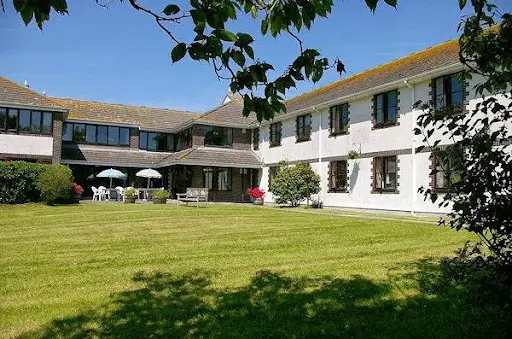
Set near the Cornish coast, Eshcol House Nursing Home in Truro brings together thoughtful care with the therapeutic benefits of sea views and garden spaces. The home supports adults with various needs, including dementia and physical disabilities, in a setting where residents can enjoy both structured activities and quiet moments by the water.
Who they care for
The home cares for adults both under and over 65 with a range of needs including physical disabilities and mental health conditions. They welcome pets alongside residents, understanding how important these companions can be.
For residents living with dementia, the combination of structured daily activities and access to calming outdoor spaces provides both stimulation and comfort. The seaside setting offers natural conversation starters and sensory experiences that can be particularly beneficial.
“While the location is a bit remote from main towns, many find the peaceful coastal setting worth the journey.”
DCC does not edit or curate content in this tab. For independently curated information, see The Evidence and DCC Verdict.
The DCC Verdict
Our editorial view, built from the three lenses: what families tell us, what inspectors record, and how the home sits against good dementia-care practice.
DCC Family Score
Eshcol House Nursing Home scores 72 out of 100, reflecting a meaningful improvement from its previous Requires Improvement rating to Good across all five inspection domains. The score is held back by limited specific detail in the published report on food, activities, and day-to-day life for residents.
Homes in South West typically score 68–82.The three-lens summary
What families tell us
Families speak warmly about how staff keep them connected to their loved ones' daily lives, sharing updates and responding quickly when needs change. The home has shown flexibility in accommodating short-notice respite stays, preparing rooms promptly for new arrivals.
What inspectors have recorded
While many families have found staff attentive and communicative, particularly during end-of-life care, there have been some concerns raised about property security and maintaining consistent standards. The home continues to work on ensuring all aspects of care meet families' expectations.
How it sits against good practice
While the location is a bit remote from main towns, many find the peaceful coastal setting worth the journey.
Worth a visit
Eshcol House Nursing Home, on Clifton Terrace in Truro, was rated Good at its most recent inspection in December 2022, with the report published in February 2023. This is a significant improvement from a previous Requires Improvement rating, and all five inspection domains, including safe, effective, caring, responsive, and well-led, are now rated Good. The registered manager, Miss Amanda Jane Clarke, holds personal accountability as both the registered manager and nominated individual, which can be a positive sign of committed leadership in a 31-bed nursing home caring for people with dementia, mental health conditions, and physical disabilities. The main limitation of this report for your decision-making is that the published summary contains very little specific detail about day-to-day life at the home. There are no direct quotes from residents or relatives, no specific observations of staff behaviour, and no detail on food, activities, night staffing, or how the home supports people with dementia specifically. The Good rating is reassuring, but on its own it does not tell you what your parent's day would actually look like. Before making a decision, visit in person, ask to see the activity records from last month, find out the night staffing numbers, and ask how long the current manager has been in post.
The three questions to ask when you visitSave this home. Compare it against your shortlist.
Let our analysis show you how Eshcol House Nursing Home measures up against the other homes you’re considering. Free account.
In Their Own Words
How Eshcol House Nursing Home describes itself — collected from its own website. DCC has not edited or independently verified the content in this tab.
Seaside nursing home where personal touches make the difference
Eshcol House Nursing Home – Expert Care in Truro
Set near the Cornish coast, Eshcol House Nursing Home in Truro brings together thoughtful care with the therapeutic benefits of sea views and garden spaces. The home supports adults with various needs, including dementia and physical disabilities, in a setting where residents can enjoy both structured activities and quiet moments by the water.
Who they care for
The home cares for adults both under and over 65 with a range of needs including physical disabilities and mental health conditions. They welcome pets alongside residents, understanding how important these companions can be.
For residents living with dementia, the combination of structured daily activities and access to calming outdoor spaces provides both stimulation and comfort. The seaside setting offers natural conversation starters and sensory experiences that can be particularly beneficial.
Management & ethos
While many families have found staff attentive and communicative, particularly during end-of-life care, there have been some concerns raised about property security and maintaining consistent standards. The home continues to work on ensuring all aspects of care meet families' expectations.
The home & environment
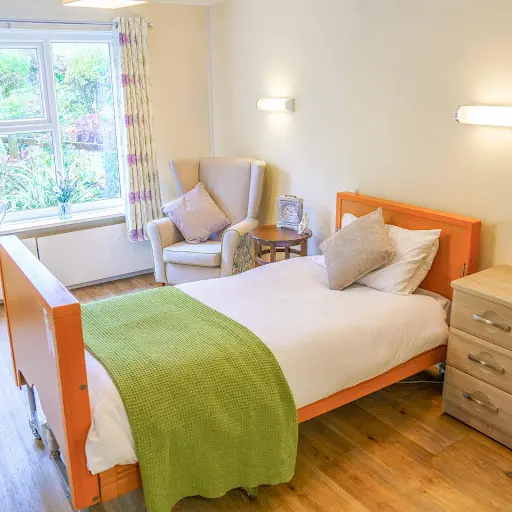
The kitchen team works hard to adapt meals to individual tastes and dietary requirements, making sure everyone can enjoy their food. The location itself is a real asset — residents spend time in the gardens, take in the sea views, and join in with regular entertainment like live music sessions and garden parties.
“While the location is a bit remote from main towns, many find the peaceful coastal setting worth the journey.”
DCC does not edit or curate content in this tab. For independently curated information, see The Evidence and DCC Verdict.