Bourn View Care Home
At a Glance
The information you need to decide whether this home warrants a closer look.
Residential homes
Staff warmth score
of reviewers answered yes
Good to know
- Registered beds80
- SpecialismsCaring for adults over 65 yrs, Caring for adults under 65 yrs, Dementia, Mental health conditions, Physical disabilities, Sensory impairment
- Last inspected2020-01-09
Save Bourn View Care Home to your shortlist
Keep a running list, add visit notes, and compare homes side-by-side. Free account — it takes a minute.
STAGE 4 — RESEARCHING CARE HOMES
Visit homes. Compare them side by side. Choose with confidence.
Most of us will view care homes the way we view houses, impression, atmosphere, the feeling in the corridor. We go home, try to remember what we saw, and make a permanent decision from a blurred memory.

The DCC shortlist gives every home you visit a structured record: the same twelve questions, answered the same way, every time. When you’re ready to choose, pull any two homes side by side and compare them directly. Same criteria, same evidence, your notes and your scores.
The Evidence
What the review data, the inspection reports, and the dementia-care evidence base tell us about this home.
What families say
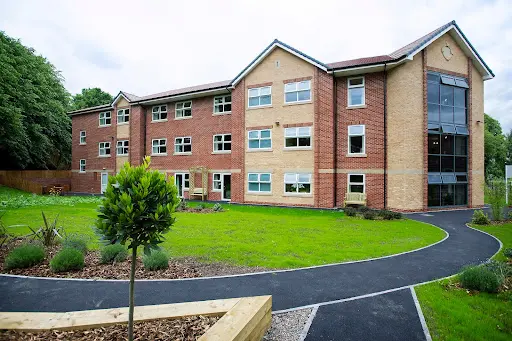
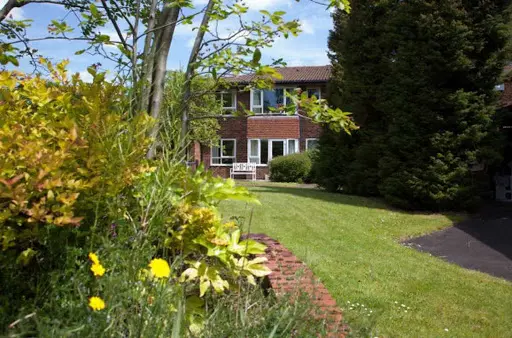
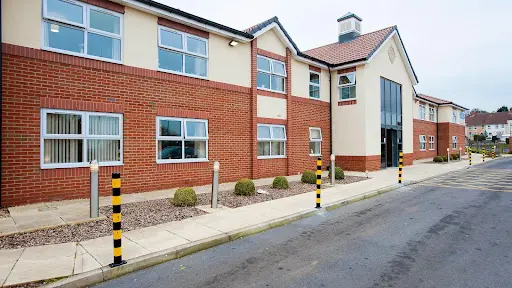
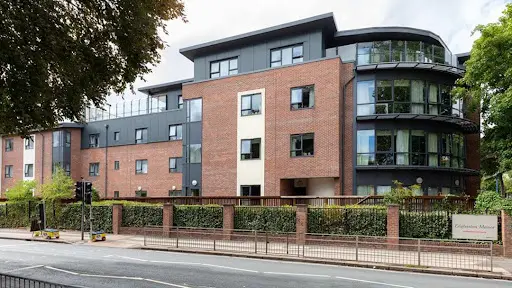
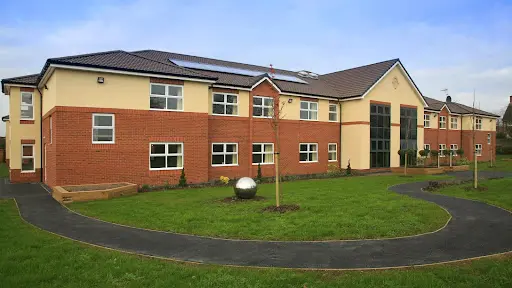
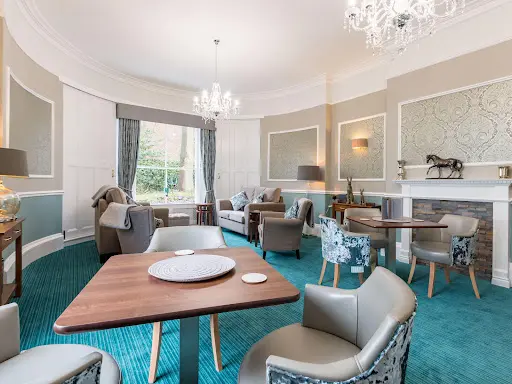
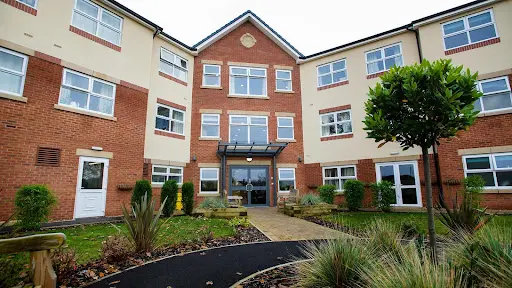
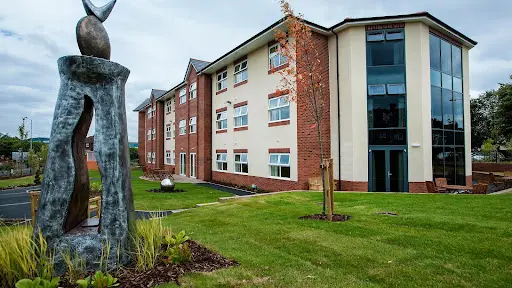
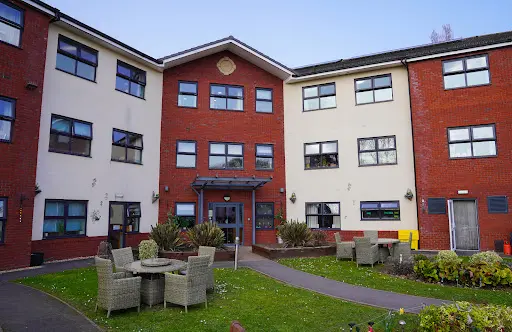
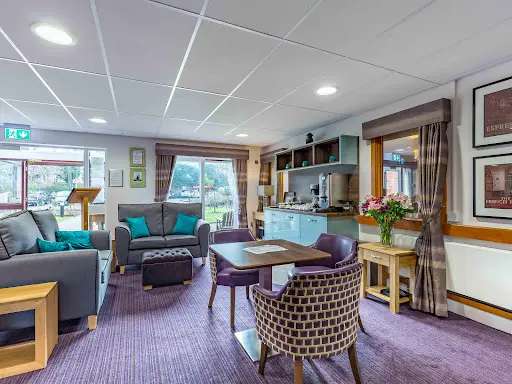
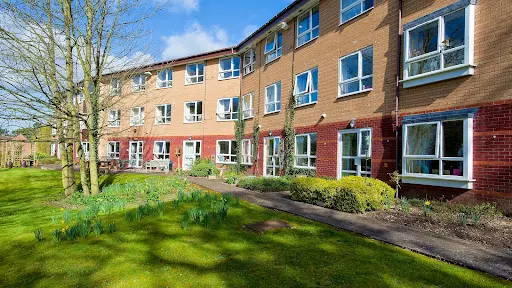
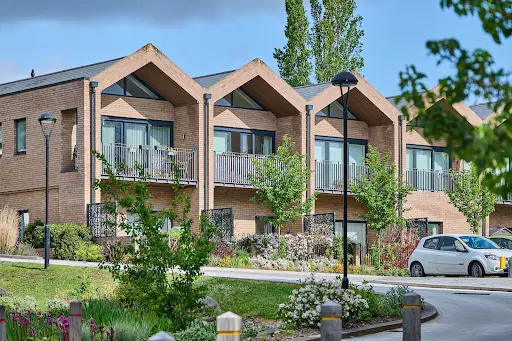
Families talk about walking into a clean, bright space where staff greet them warmly and remember their names. The building itself catches the eye — well-maintained with pleasant outdoor areas and social spaces that encourage connection. People describe finding their relatives engaged in activities, chatting with staff, or enjoying time in the garden.
The eight family priority themes
- Staff warmth72
- Compassion & dignity72
- Cleanliness72
- Activities & engagement65
- Food quality65
- Healthcare70
- Management & leadership74
- Resident happiness70
What inspectors found
Inspected 2020-01-09
Is this home safe?
Is the care effective?
The Effective domain was rated Good at the January 2022 inspection. No specific findings were published about care plan quality, dementia training content, GP access arrangements, or food provision. The home carries a dementia specialism and also supports people with mental health conditions, physical disabilities, and sensory impairments, which means staff need a broad and regularly updated range of skills.Is this home caring?
The Caring domain was rated Good at the January 2022 inspection. No specific observations about staff warmth, dignity in personal care, use of preferred names, or responses to distress are included in the published text. Staff warmth and compassion are the two themes families most consistently mention in positive reviews, at 57.3% and 55.2% respectively, making this the most important domain for most families and the one where the absence of detail is most frustrating.Is the home responsive?
The Responsive domain was rated Good at the January 2022 inspection. The published text provides no specific detail about the activity programme, one-to-one engagement, how the home supports people who cannot join group activities, or how individual preferences shape daily life. With a diverse population including people with dementia, mental health conditions, and physical and sensory disabilities, the demands on a responsive activities and care programme are significant.Is the home well-led?
The Well-led domain was rated Good at the January 2022 inspection, following a previous rating of Requires Improvement. A nominated individual, Mrs Natasha Southall, is recorded with Willowbrook Healthcare Limited as the operating organisation. No specific findings about manager visibility, staff culture, governance systems, or how the home handles complaints and incidents are included in the published text. The improvement across all five domains from the previous inspection is the clearest available signal of leadership effectiveness.
Source: CQC inspection report →
What the evidence base says
The home welcomes adults of all ages with various support needs, including physical disabilities, sensory impairments, and mental health conditions. Families whose relatives live with dementia describe thoughtful, patient care that adapts to each person's needs. Staff help residents stay connected and engaged, providing reassuring routines while encouraging social interaction at comfortable levels. All areas worth probing directly during a visit.
The DCC Verdict
Our editorial view, built from the three lenses: what families tell us, what inspectors record, and how the home sits against good dementia-care practice.
DCC Family Score
Bourn View has improved from Requires Improvement to Good across all five inspection domains, which is a meaningful step forward. However, the published inspection text provides limited specific detail, so scores reflect confirmed improvement rather than richly evidenced practice.
Homes in West Midlands typically score 68–82.The three-lens summary
What families tell us
Families talk about walking into a clean, bright space where staff greet them warmly and remember their names. The building itself catches the eye — well-maintained with pleasant outdoor areas and social spaces that encourage connection. People describe finding their relatives engaged in activities, chatting with staff, or enjoying time in the garden.
What inspectors have recorded
Since new management took charge, families describe transformed staff morale and noticeably improved care standards. The team shows genuine warmth towards residents, taking time to understand individual needs and preferences. During difficult times — health crises or end-of-life care — staff provide calm, compassionate support that families deeply appreciate. Though one family reported frustration when an early placement didn't work out as hoped, most describe a well-run home where staff genuinely care.
How it sits against good practice
Recent positive changes suggest Bourn View is finding its stride under new leadership.
Worth a visit
Bourn View, on Bristol Road South in Birmingham, was rated Good across all five inspection domains at its January 2022 inspection, published in January 2022. This followed a previous rating of Requires Improvement, meaning the home demonstrated meaningful progress across safety, effectiveness, caring, responsiveness, and leadership. The home is registered for 80 beds and supports people with dementia, mental health conditions, physical disabilities, and sensory impairments, as well as adults both under and over 65. The main limitation here is that the published inspection text contains very limited specific detail about what inspectors actually observed. Almost every practical question Sarah needs answered, from how staff behave on the night shift to whether the activity programme reaches people who cannot join groups, is not covered in the findings. The Good rating is encouraging and the improvement from Requires Improvement is a genuine positive sign, but it is not a substitute for a thorough visit. Go in person, ask to see last week's actual staffing rota, watch how staff interact with residents in corridors and at mealtimes, and ask directly about dementia training and how the home keeps families informed.
The three questions to ask when you visitSave this home. Compare it against your shortlist.
Let our analysis show you how Bourn View Care Home measures up against the other homes you’re considering. Free account.
In Their Own Words
How Bourn View Care Home describes itself — collected from its own website. DCC has not edited or independently verified the content in this tab.
Where recent changes have transformed daily life for residents
Bourn View – Your Trusted residential home
Something shifted at Bourn View in Birmingham when new leadership arrived, and families have noticed the difference. This West Midlands care home supports people with various needs, from dementia to sensory impairments, and the atmosphere now feels lighter, more purposeful. Staff smile more, residents engage more, and the whole place hums with renewed energy.
Who they care for
The home welcomes adults of all ages with various support needs, including physical disabilities, sensory impairments, and mental health conditions.
Families whose relatives live with dementia describe thoughtful, patient care that adapts to each person's needs. Staff help residents stay connected and engaged, providing reassuring routines while encouraging social interaction at comfortable levels.
“Recent positive changes suggest Bourn View is finding its stride under new leadership.”
DCC does not edit or curate content in this tab. For independently curated information, see The Evidence and DCC Verdict.
The DCC Verdict
Our editorial view, built from the three lenses: what families tell us, what inspectors record, and how the home sits against good dementia-care practice.
DCC Family Score
Bourn View has improved from Requires Improvement to Good across all five inspection domains, which is a meaningful step forward. However, the published inspection text provides limited specific detail, so scores reflect confirmed improvement rather than richly evidenced practice.
Homes in West Midlands typically score 68–82.The three-lens summary
What families tell us
Families talk about walking into a clean, bright space where staff greet them warmly and remember their names. The building itself catches the eye — well-maintained with pleasant outdoor areas and social spaces that encourage connection. People describe finding their relatives engaged in activities, chatting with staff, or enjoying time in the garden.
What inspectors have recorded
Since new management took charge, families describe transformed staff morale and noticeably improved care standards. The team shows genuine warmth towards residents, taking time to understand individual needs and preferences. During difficult times — health crises or end-of-life care — staff provide calm, compassionate support that families deeply appreciate. Though one family reported frustration when an early placement didn't work out as hoped, most describe a well-run home where staff genuinely care.
How it sits against good practice
Recent positive changes suggest Bourn View is finding its stride under new leadership.
Worth a visit
Bourn View, on Bristol Road South in Birmingham, was rated Good across all five inspection domains at its January 2022 inspection, published in January 2022. This followed a previous rating of Requires Improvement, meaning the home demonstrated meaningful progress across safety, effectiveness, caring, responsiveness, and leadership. The home is registered for 80 beds and supports people with dementia, mental health conditions, physical disabilities, and sensory impairments, as well as adults both under and over 65. The main limitation here is that the published inspection text contains very limited specific detail about what inspectors actually observed. Almost every practical question Sarah needs answered, from how staff behave on the night shift to whether the activity programme reaches people who cannot join groups, is not covered in the findings. The Good rating is encouraging and the improvement from Requires Improvement is a genuine positive sign, but it is not a substitute for a thorough visit. Go in person, ask to see last week's actual staffing rota, watch how staff interact with residents in corridors and at mealtimes, and ask directly about dementia training and how the home keeps families informed.
The three questions to ask when you visitSave this home. Compare it against your shortlist.
Let our analysis show you how Bourn View Care Home measures up against the other homes you’re considering. Free account.
In Their Own Words
How Bourn View Care Home describes itself — collected from its own website. DCC has not edited or independently verified the content in this tab.
Where recent changes have transformed daily life for residents
Bourn View – Your Trusted residential home
Something shifted at Bourn View in Birmingham when new leadership arrived, and families have noticed the difference. This West Midlands care home supports people with various needs, from dementia to sensory impairments, and the atmosphere now feels lighter, more purposeful. Staff smile more, residents engage more, and the whole place hums with renewed energy.
Who they care for
The home welcomes adults of all ages with various support needs, including physical disabilities, sensory impairments, and mental health conditions.
Families whose relatives live with dementia describe thoughtful, patient care that adapts to each person's needs. Staff help residents stay connected and engaged, providing reassuring routines while encouraging social interaction at comfortable levels.
Management & ethos
Since new management took charge, families describe transformed staff morale and noticeably improved care standards. The team shows genuine warmth towards residents, taking time to understand individual needs and preferences. During difficult times — health crises or end-of-life care — staff provide calm, compassionate support that families deeply appreciate. Though one family reported frustration when an early placement didn't work out as hoped, most describe a well-run home where staff genuinely care.
The home & environment
The kitchen turns out proper home-cooked meals that families praise, though tastes can be personal and not every resident finds the food to their liking. Throughout the building, cleanliness stands out — from spotless corridors to fresh-smelling rooms. Outside, the gardens provide peaceful spots for visits and activities.
“Recent positive changes suggest Bourn View is finding its stride under new leadership.”
DCC does not edit or curate content in this tab. For independently curated information, see The Evidence and DCC Verdict.