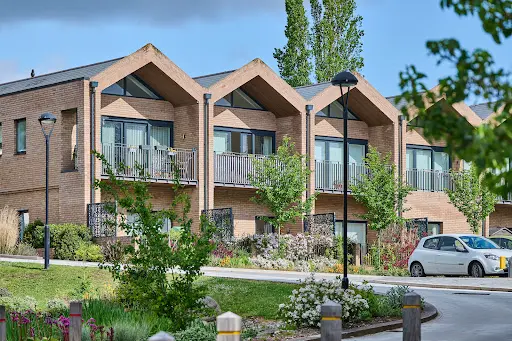
Bourn View Care Home
At a Glance
The information you need to decide whether this home warrants a closer look.
Residential homes
Staff warmth score
of reviewers answered yes
Good to know
- Registered beds80
- SpecialismsCaring for adults over 65 yrs, Caring for adults under 65 yrs, Dementia, Mental health conditions, Physical disabilities, Sensory impairment
- Last inspected2020-01-09
Save Bourn View Care Home to your shortlist
Keep a running list, add visit notes, and compare homes side-by-side. Free account — it takes a minute.
STAGE 4 — RESEARCHING CARE HOMES
Visit homes. Compare them side by side. Choose with confidence.
Most of us will view care homes the way we view houses, impression, atmosphere, the feeling in the corridor. We go home, try to remember what we saw, and make a permanent decision from a blurred memory.

The DCC shortlist gives every home you visit a structured record: the same twelve questions, answered the same way, every time. When you’re ready to choose, pull any two homes side by side and compare them directly. Same criteria, same evidence, your notes and your scores.
The Evidence
What the review data, the inspection reports, and the dementia-care evidence base tell us about this home.
What families say
Visitors often comment on how content and engaged residents seem here. There's a real sense of community, with residents actively participating in activities rather than just watching from the sidelines. Families describe seeing their loved ones genuinely happy, which speaks volumes about the atmosphere the team creates.
The eight family priority themes
- Staff warmth55
- Compassion & dignity55
- Cleanliness55
- Activities & engagement50
- Food quality50
- Healthcare55
- Management & leadership60
- Resident happiness55
What inspectors found
Inspected 2020-01-09
Is this home safe?
Is the care effective?
The Effective domain was rated Good at the January 2022 inspection. The published report does not include specific findings about care plan quality, GP access, dementia training, or food and nutrition. The home lists dementia as a specialism, which suggests staff should have relevant training, but no detail on training content or frequency is provided. With 80 beds and a broad range of specialisms including mental health and physical disabilities, the quality and currency of care planning is an important question to explore directly.Is this home caring?
The Caring domain was rated Good at the January 2022 inspection. The published report does not include inspector observations of staff interactions, resident testimony about how they feel treated, or specific examples of dignity and respect in practice. No quotes from residents or relatives are included in the available report text. Staff warmth and compassion are the two highest-weighted themes in family satisfaction data, accounting for 57.3% and 55.2% respectively, making this the domain where independent observation on a visit matters most.Is the home responsive?
The Responsive domain was rated Good at the January 2022 inspection. The published report does not include specific information about the activities programme, individual engagement for residents with advanced dementia, personalisation of care, or end-of-life planning. The home's specialism list includes dementia, mental health conditions, physical disabilities, and sensory impairments, which suggests a varied resident population whose activity and engagement needs will differ considerably. No detail is available on how the home tailors its offer to individual residents.Is the home well-led?
The Well-led domain was rated Good at the January 2022 inspection. The home has a named registered manager, Mrs Jenna Louise Hughes, and a named nominated individual, Mrs Natasha Southall, confirming that formal leadership accountability is in place. The published report does not include detail about management visibility, staff culture, how concerns are raised, or what governance and quality assurance processes look like in practice. The inspection was carried out in January 2022, which means the findings are now over three years old.
Source: CQC inspection report →
What the evidence base says
Bourn View cares for adults both under and over 65, with particular experience in dementia care, mental health conditions, physical disabilities and sensory impairments. Families with relatives living with dementia speak highly of the patience and attentiveness shown by the care team. Staff understand the unique challenges of cognitive decline and adapt their approach to each resident's needs. All areas worth probing directly during a visit.
The DCC Verdict
Our editorial view, built from the three lenses: what families tell us, what inspectors record, and how the home sits against good dementia-care practice.
DCC Family Score
Bourn View received a Good rating across all five inspection domains, which is a positive baseline. However, the published inspection report contains very limited specific detail, so scores reflect a confirmed Good rating rather than strong direct evidence of what daily life looks like for your parent.
Homes in West Midlands typically score 68–82.The three-lens summary
What families tell us
Visitors often comment on how content and engaged residents seem here. There's a real sense of community, with residents actively participating in activities rather than just watching from the sidelines. Families describe seeing their loved ones genuinely happy, which speaks volumes about the atmosphere the team creates.
What inspectors have recorded
What really stands out is how approachable and present the management team is. Staff don't just know residents — they remember visitors' names too, creating that personal connection that makes such a difference. When health crises arise, families describe staff as calm and supportive, providing the kind of compassionate care you'd hope for during difficult times.
How it sits against good practice
If you're considering Bourn View, it's worth visiting to get a feel for the atmosphere and meet the team who've made such a positive impression on so many families.
Worth a visit
Bourn View Care Home in Birmingham was rated Good across all five inspection domains at its most recent inspection in January 2022. The home is registered to support up to 80 people with a wide range of needs including dementia, mental health conditions, physical disabilities, and sensory impairments. A named registered manager is confirmed as in post, which indicates the basic accountability structures are in place. The most important thing to know before you visit is that the published inspection report contains very little specific detail about daily life at Bourn View. All five domains were rated Good, but the report does not include inspector observations of staff interactions, resident or family quotes, or evidence about food, activities, or night staffing. That means you will need to do a significant amount of your own investigation on a visit. Use the checklist in this report as your guide. Pay particular attention to night staffing numbers for an 80-bed home, how dementia care is delivered in practice, and whether the activities programme includes one-to-one engagement for residents who cannot join group sessions.
The three questions to ask when you visitSave this home. Compare it against your shortlist.
Let our analysis show you how Bourn View Care Home measures up against the other homes you’re considering. Free account.
In Their Own Words
How Bourn View Care Home describes itself — collected from its own website. DCC has not edited or independently verified the content in this tab.
Where staff remember your name and residents genuinely thrive
Residential home in Birmingham: True Peace of Mind
Walking into Bourn View in Birmingham feels different from the moment you arrive — there's a genuine warmth that families notice straight away. This West Midlands care home has built its reputation on the kind of personal touches that matter when you're trusting someone with your loved one's care. The new management team has brought fresh energy and visible improvements that families are talking about.
Who they care for
Bourn View cares for adults both under and over 65, with particular experience in dementia care, mental health conditions, physical disabilities and sensory impairments.
Families with relatives living with dementia speak highly of the patience and attentiveness shown by the care team. Staff understand the unique challenges of cognitive decline and adapt their approach to each resident's needs.
“If you're considering Bourn View, it's worth visiting to get a feel for the atmosphere and meet the team who've made such a positive impression on so many families.”
DCC does not edit or curate content in this tab. For independently curated information, see The Evidence and DCC Verdict.
The DCC Verdict
Our editorial view, built from the three lenses: what families tell us, what inspectors record, and how the home sits against good dementia-care practice.
DCC Family Score
Bourn View received a Good rating across all five inspection domains, which is a positive baseline. However, the published inspection report contains very limited specific detail, so scores reflect a confirmed Good rating rather than strong direct evidence of what daily life looks like for your parent.
Homes in West Midlands typically score 68–82.The three-lens summary
What families tell us
Visitors often comment on how content and engaged residents seem here. There's a real sense of community, with residents actively participating in activities rather than just watching from the sidelines. Families describe seeing their loved ones genuinely happy, which speaks volumes about the atmosphere the team creates.
What inspectors have recorded
What really stands out is how approachable and present the management team is. Staff don't just know residents — they remember visitors' names too, creating that personal connection that makes such a difference. When health crises arise, families describe staff as calm and supportive, providing the kind of compassionate care you'd hope for during difficult times.
How it sits against good practice
If you're considering Bourn View, it's worth visiting to get a feel for the atmosphere and meet the team who've made such a positive impression on so many families.
Worth a visit
Bourn View Care Home in Birmingham was rated Good across all five inspection domains at its most recent inspection in January 2022. The home is registered to support up to 80 people with a wide range of needs including dementia, mental health conditions, physical disabilities, and sensory impairments. A named registered manager is confirmed as in post, which indicates the basic accountability structures are in place. The most important thing to know before you visit is that the published inspection report contains very little specific detail about daily life at Bourn View. All five domains were rated Good, but the report does not include inspector observations of staff interactions, resident or family quotes, or evidence about food, activities, or night staffing. That means you will need to do a significant amount of your own investigation on a visit. Use the checklist in this report as your guide. Pay particular attention to night staffing numbers for an 80-bed home, how dementia care is delivered in practice, and whether the activities programme includes one-to-one engagement for residents who cannot join group sessions.
The three questions to ask when you visitSave this home. Compare it against your shortlist.
Let our analysis show you how Bourn View Care Home measures up against the other homes you’re considering. Free account.
In Their Own Words
How Bourn View Care Home describes itself — collected from its own website. DCC has not edited or independently verified the content in this tab.
Where staff remember your name and residents genuinely thrive
Residential home in Birmingham: True Peace of Mind
Walking into Bourn View in Birmingham feels different from the moment you arrive — there's a genuine warmth that families notice straight away. This West Midlands care home has built its reputation on the kind of personal touches that matter when you're trusting someone with your loved one's care. The new management team has brought fresh energy and visible improvements that families are talking about.
Who they care for
Bourn View cares for adults both under and over 65, with particular experience in dementia care, mental health conditions, physical disabilities and sensory impairments.
Families with relatives living with dementia speak highly of the patience and attentiveness shown by the care team. Staff understand the unique challenges of cognitive decline and adapt their approach to each resident's needs.
Management & ethos
What really stands out is how approachable and present the management team is. Staff don't just know residents — they remember visitors' names too, creating that personal connection that makes such a difference. When health crises arise, families describe staff as calm and supportive, providing the kind of compassionate care you'd hope for during difficult times.
The home & environment
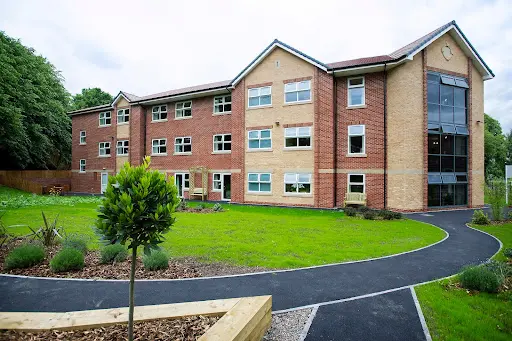
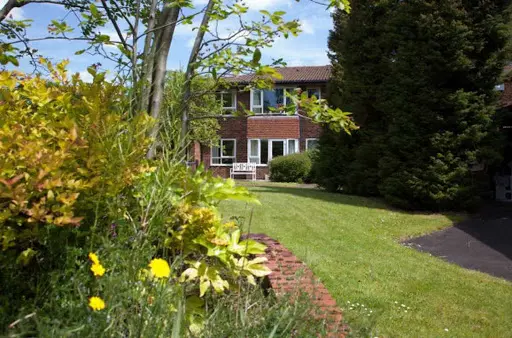
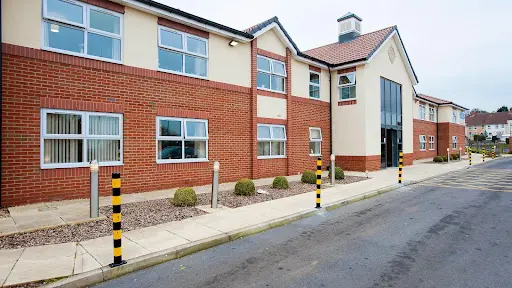
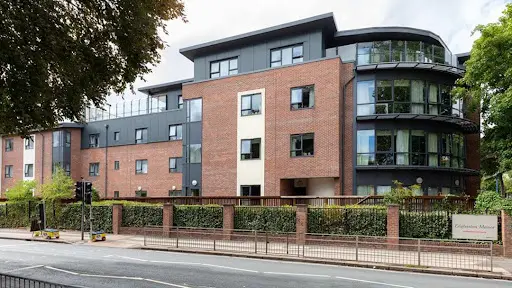
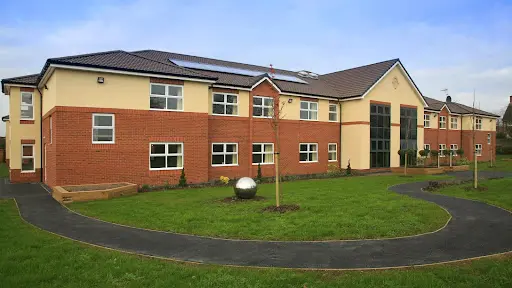
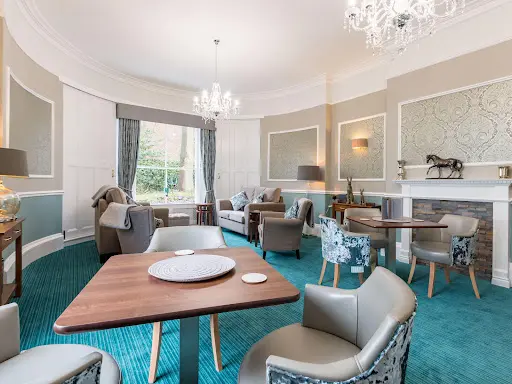
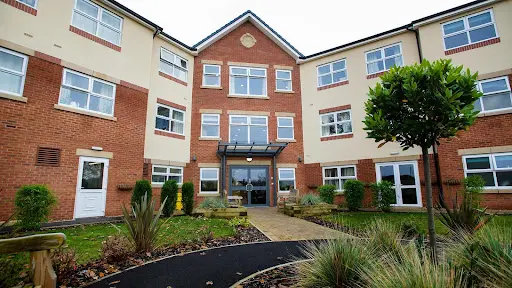
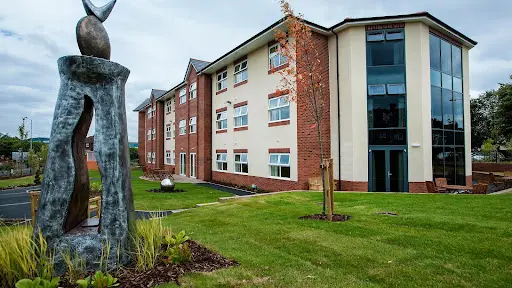
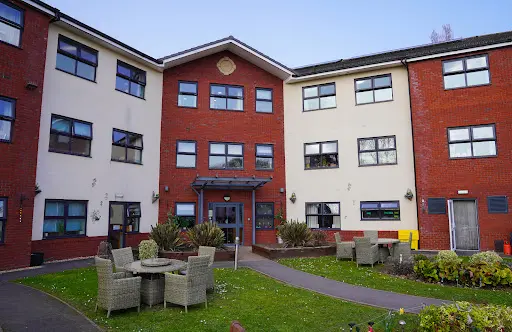
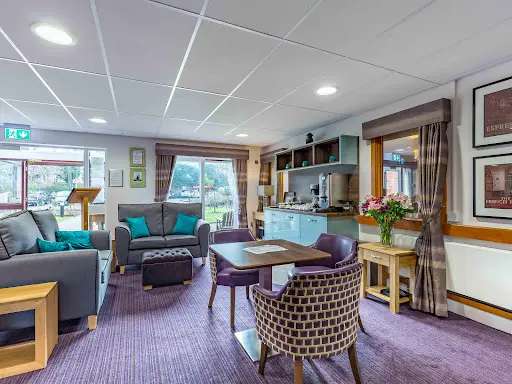
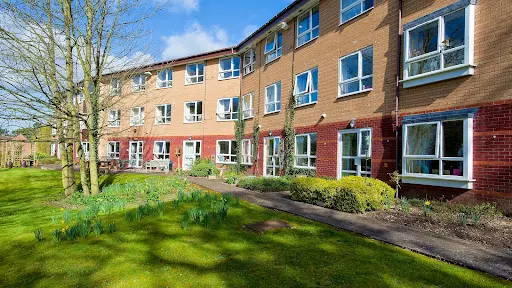
The home itself is kept to a standard that surprises many visitors — clean, well-maintained, and designed with more thought than you might expect. The kitchen produces homemade cakes and freshly ground coffee that families mention fondly, though it's worth noting one family did raise concerns about meal quality during their stay.
“If you're considering Bourn View, it's worth visiting to get a feel for the atmosphere and meet the team who've made such a positive impression on so many families.”
DCC does not edit or curate content in this tab. For independently curated information, see The Evidence and DCC Verdict.