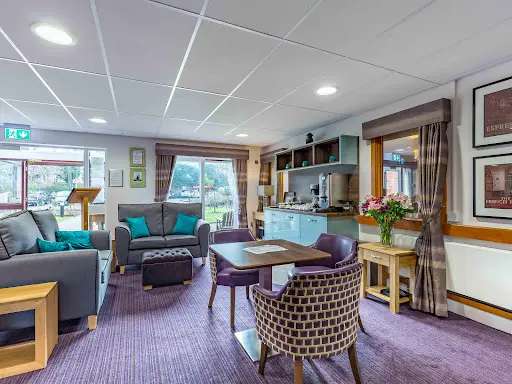
Asprey Court Care Home

At a Glance
The information you need to decide whether this home warrants a closer look.
Nursing homes
Staff warmth score
of reviewers answered yes
Good to know
- Registered beds86
- SpecialismsCaring for adults over 65 yrs, Caring for adults under 65 yrs, Dementia, Mental health conditions, Physical disabilities, Sensory impairment
- Last inspected2024-02-10
Save Asprey Court Care Home to your shortlist
Keep a running list, add visit notes, and compare homes side-by-side. Free account — it takes a minute.
STAGE 4 — RESEARCHING CARE HOMES
Visit homes. Compare them side by side. Choose with confidence.
Most of us will view care homes the way we view houses, impression, atmosphere, the feeling in the corridor. We go home, try to remember what we saw, and make a permanent decision from a blurred memory.

The DCC shortlist gives every home you visit a structured record: the same twelve questions, answered the same way, every time. When you’re ready to choose, pull any two homes side by side and compare them directly. Same criteria, same evidence, your notes and your scores.
The Evidence
What the review data, the inspection reports, and the dementia-care evidence base tell us about this home.
What families say
The care home has shown particular strength in supporting families through end-of-life care, with staff providing patient, compassionate presence during difficult times. Some carers bring real dedication to their work, taking time to understand individual residents and their needs. The building itself offers a pleasant environment with good housekeeping standards.
The eight family priority themes
- Staff warmth75
- Compassion & dignity78
- Cleanliness65
- Activities & engagement70
- Food quality65
- Healthcare60
- Management & leadership75
- Resident happiness72
What inspectors found
Inspected 2024-02-10
Is this home safe?
Is the care effective?
The Effective domain was rated Good at the November 2023 inspection. This domain covers how well the home plans and delivers care, including care plan quality, staff training, healthcare access, and nutritional support. A Good rating here means inspectors found sufficient evidence that care is planned around individuals and delivered competently. The published summary does not include specific examples of care plan content, GP access arrangements, or dementia training detail.Is this home caring?
The Caring domain was rated Good at the November 2023 inspection. Inspectors assessed staff interactions, dignity, respect, and the extent to which residents are supported to maintain independence. A Good rating means the inspectors were satisfied with what they observed. The published summary does not include direct quotes from residents or relatives, nor specific examples of how staff demonstrated warmth or responded to distress.Is the home responsive?
The Responsive domain was rated Good at the November 2023 inspection. This domain covers whether the home responds to individual needs, including activities, engagement, complaints handling, and end-of-life care. A Good rating indicates inspectors found acceptable evidence of responsiveness. The published summary does not describe specific activities on offer, how the programme is tailored to individuals with advanced dementia, or what end-of-life planning looks like in practice.Is the home well-led?
The Well-led domain was rated Good at the November 2023 inspection. The home is run by Restful Homes (Sutton Coldfield) LTD, with three individuals listed as registered managers at different points and Miss Cheri Jeanette Law recorded as both a registered manager and the nominated individual. A Good well-led rating means inspectors found adequate governance, accountability, and management culture. Multiple registered managers in post can indicate strong oversight, but it also raises a question about continuity and who is the day-to-day lead.
Source: CQC inspection report →
What the evidence base says
The home provides care for adults both under and over 65, including those with sensory impairments, physical disabilities, and mental health conditions. They also offer specialised dementia care within their broader service provision. For residents with dementia, the secure entry system helps maintain safety while allowing family access. The home's experience with various cognitive conditions means they work with families facing different stages of memory loss. All areas worth probing directly during a visit.
The DCC Verdict
Our editorial view, built from the three lenses: what families tell us, what inspectors record, and how the home sits against good dementia-care practice.
DCC Family Score
Asprey Court Care Home scores 72 out of 100, reflecting genuine strengths in how staff treat the people who live there, balanced against a Requires Improvement rating in safety that families will want to probe carefully before making a decision.
Homes in West Midlands typically score 68–82.The three-lens summary
What families tell us
The care home has shown particular strength in supporting families through end-of-life care, with staff providing patient, compassionate presence during difficult times. Some carers bring real dedication to their work, taking time to understand individual residents and their needs. The building itself offers a pleasant environment with good housekeeping standards.
What inspectors have recorded
Staff training and consistency appears to vary across the team. While some carers demonstrate genuine professionalism and engagement, families have raised concerns about supervision levels and care delivery standards. The management team faces challenges in maintaining consistent care quality across all shifts and ensuring adequate oversight of residents who need mobility support.
How it sits against good practice
Choosing care involves weighing many factors, and visiting in person can help families understand whether a home's approach matches their loved one's needs.
Worth a visit
Asprey Court Care Home on Orphanage Road, Birmingham, was inspected in November 2023 with the report published in February 2024. The overall rating is Good, with the home performing well across the Effective, Caring, Responsive, and Well-led domains. The home is registered to support a wide range of needs including dementia, mental health conditions, physical disabilities, and sensory impairment, across 86 beds, and is run by Restful Homes (Sutton Coldfield) LTD with multiple registered managers in post. The one area that requires your attention is the Safe domain, which was rated Requires Improvement. The published inspection summary does not explain in detail what drove this rating, which makes it harder to assess the risk. Before visiting, ask the manager directly what the inspectors found in the Safe domain and what has changed since November 2023. On the visit itself, ask to see last week's actual staffing rota, count the permanent versus agency names, and check night staffing numbers for an 86-bed home. A Requires Improvement in safety at a home that otherwise performs well is not unusual, but you need a clear and specific answer about what went wrong and what has been put right.
The three questions to ask when you visitSave this home. Compare it against your shortlist.
Let our analysis show you how Asprey Court Care Home measures up against the other homes you’re considering. Free account.
In Their Own Words
How Asprey Court Care Home describes itself — collected from its own website. DCC has not edited or independently verified the content in this tab.
Finding the right balance of care and comfort in Birmingham
Asprey Court Care Home – Your Trusted nursing home
When families look for care in Birmingham, they're searching for somewhere that combines professional support with genuine warmth. Asprey Court Care Home in the West Midlands offers specialised care across a range of needs, from dementia support to physical disabilities. The modern building provides a clean, well-maintained environment where residents with varying care requirements can find appropriate support.
Who they care for
The home provides care for adults both under and over 65, including those with sensory impairments, physical disabilities, and mental health conditions. They also offer specialised dementia care within their broader service provision.
For residents with dementia, the secure entry system helps maintain safety while allowing family access. The home's experience with various cognitive conditions means they work with families facing different stages of memory loss.
“Choosing care involves weighing many factors, and visiting in person can help families understand whether a home's approach matches their loved one's needs.”
DCC does not edit or curate content in this tab. For independently curated information, see The Evidence and DCC Verdict.
The DCC Verdict
Our editorial view, built from the three lenses: what families tell us, what inspectors record, and how the home sits against good dementia-care practice.
DCC Family Score
Asprey Court Care Home scores 72 out of 100, reflecting genuine strengths in how staff treat the people who live there, balanced against a Requires Improvement rating in safety that families will want to probe carefully before making a decision.
Homes in West Midlands typically score 68–82.The three-lens summary
What families tell us
The care home has shown particular strength in supporting families through end-of-life care, with staff providing patient, compassionate presence during difficult times. Some carers bring real dedication to their work, taking time to understand individual residents and their needs. The building itself offers a pleasant environment with good housekeeping standards.
What inspectors have recorded
Staff training and consistency appears to vary across the team. While some carers demonstrate genuine professionalism and engagement, families have raised concerns about supervision levels and care delivery standards. The management team faces challenges in maintaining consistent care quality across all shifts and ensuring adequate oversight of residents who need mobility support.
How it sits against good practice
Choosing care involves weighing many factors, and visiting in person can help families understand whether a home's approach matches their loved one's needs.
Worth a visit
Asprey Court Care Home on Orphanage Road, Birmingham, was inspected in November 2023 with the report published in February 2024. The overall rating is Good, with the home performing well across the Effective, Caring, Responsive, and Well-led domains. The home is registered to support a wide range of needs including dementia, mental health conditions, physical disabilities, and sensory impairment, across 86 beds, and is run by Restful Homes (Sutton Coldfield) LTD with multiple registered managers in post. The one area that requires your attention is the Safe domain, which was rated Requires Improvement. The published inspection summary does not explain in detail what drove this rating, which makes it harder to assess the risk. Before visiting, ask the manager directly what the inspectors found in the Safe domain and what has changed since November 2023. On the visit itself, ask to see last week's actual staffing rota, count the permanent versus agency names, and check night staffing numbers for an 86-bed home. A Requires Improvement in safety at a home that otherwise performs well is not unusual, but you need a clear and specific answer about what went wrong and what has been put right.
The three questions to ask when you visitSave this home. Compare it against your shortlist.
Let our analysis show you how Asprey Court Care Home measures up against the other homes you’re considering. Free account.
In Their Own Words
How Asprey Court Care Home describes itself — collected from its own website. DCC has not edited or independently verified the content in this tab.
Finding the right balance of care and comfort in Birmingham
Asprey Court Care Home – Your Trusted nursing home
When families look for care in Birmingham, they're searching for somewhere that combines professional support with genuine warmth. Asprey Court Care Home in the West Midlands offers specialised care across a range of needs, from dementia support to physical disabilities. The modern building provides a clean, well-maintained environment where residents with varying care requirements can find appropriate support.
Who they care for
The home provides care for adults both under and over 65, including those with sensory impairments, physical disabilities, and mental health conditions. They also offer specialised dementia care within their broader service provision.
For residents with dementia, the secure entry system helps maintain safety while allowing family access. The home's experience with various cognitive conditions means they work with families facing different stages of memory loss.
Management & ethos
Staff training and consistency appears to vary across the team. While some carers demonstrate genuine professionalism and engagement, families have raised concerns about supervision levels and care delivery standards. The management team faces challenges in maintaining consistent care quality across all shifts and ensuring adequate oversight of residents who need mobility support.
The home & environment
The physical spaces at Asprey Court meet contemporary care home standards, with attention paid to cleanliness throughout. However, families have noted that operational aspects like laundry services can be inconsistent, with clothing sometimes going missing or getting mixed up between residents.
“Choosing care involves weighing many factors, and visiting in person can help families understand whether a home's approach matches their loved one's needs.”
DCC does not edit or curate content in this tab. For independently curated information, see The Evidence and DCC Verdict.