Abbey Rose Care Home
At a Glance
The information you need to decide whether this home warrants a closer look.
Nursing homes
Staff warmth score
of reviewers answered yes
Good to know
- Registered beds85
- SpecialismsCaring for adults over 65 yrs, Caring for adults under 65 yrs, Dementia, Physical disabilities
- Last inspected2020-12-25
Save Abbey Rose Care Home to your shortlist
Keep a running list, add visit notes, and compare homes side-by-side. Free account — it takes a minute.
STAGE 4 — RESEARCHING CARE HOMES
Visit homes. Compare them side by side. Choose with confidence.
Most of us will view care homes the way we view houses, impression, atmosphere, the feeling in the corridor. We go home, try to remember what we saw, and make a permanent decision from a blurred memory.

The DCC shortlist gives every home you visit a structured record: the same twelve questions, answered the same way, every time. When you’re ready to choose, pull any two homes side by side and compare them directly. Same criteria, same evidence, your notes and your scores.
The Evidence
What the review data, the inspection reports, and the dementia-care evidence base tell us about this home.
What families say
Families supporting loved ones through terminal illness consistently describe staff who understand the importance of dignity and emotional support. They note how the team creates space for meaningful moments, with flexible visiting arrangements that help relatives feel genuinely welcomed during difficult times.
The eight family priority themes
- Staff warmth52
- Compassion & dignity52
- Cleanliness52
- Activities & engagement50
- Food quality50
- Healthcare52
- Management & leadership60
- Resident happiness52
What inspectors found
Inspected 2020-12-25
Is this home safe?
Is the care effective?
The home was rated Good for effectiveness at the December 2020 inspection. The published text does not provide specific information about care plan quality, how frequently plans are reviewed, whether families are included in reviews, what dementia training staff have completed, how GP access works, or how food quality and dietary needs are managed. A named registered manager is in post. No concerns about effectiveness were raised.Is this home caring?
Abbey Rose Care Home was rated Good for caring at the December 2020 inspection. The published report does not include inspector observations of staff interactions, quotes from residents or relatives about how staff treat them, or specific examples of dignity and respect being upheld in practice. No concerns about the quality of care or staff attitudes were recorded. The Good rating in this domain is the headline finding, but the evidence behind it has not been published in detail.Is the home responsive?
The home was rated Good for responsiveness at the December 2020 inspection. The published findings do not describe the activities programme, one-to-one engagement for people who cannot join group activities, how the home tailors its response to individual preferences, or how end-of-life care is planned and delivered. The home's specialisms include dementia and physical disabilities, which means responsiveness to individual communication and mobility needs is particularly important. No concerns were recorded in this domain.Is the home well-led?
Abbey Rose Care Home was rated Good for leadership at the December 2020 inspection. The published report names the registered manager and the nominated individual, confirming a defined governance structure. Beyond this, the published text does not describe the management culture, how staff are supported, how complaints are handled, whether the home learns from incidents, or what quality monitoring systems are in place. The home is run by MACC Care Limited. No leadership concerns were recorded.
Source: CQC inspection report →
What the evidence base says
The home provides care for adults across different age groups, supporting people with physical disabilities alongside those living with dementia. Their experience includes both long-term residential care and shorter-term support during end-of-life transitions. While the home cares for residents with dementia, some families have questioned whether all staff have the specialist training needed for complex dementia support. Concerns have been raised about food preparation for swallowing difficulties and appropriate responses to behavioural changes. All areas worth probing directly during a visit.
The DCC Verdict
Our editorial view, built from the three lenses: what families tell us, what inspectors record, and how the home sits against good dementia-care practice.
DCC Family Score
Abbey Rose Care Home holds a Good rating across all five inspection domains, but the published report contains very little specific detail, inspector observations, or resident testimony to ground that rating in concrete evidence. The score of 68 reflects a genuinely positive official finding tempered by the fact that very little of the inspection's supporting evidence has been published for families to assess.
Homes in West Midlands typically score 68–82.The three-lens summary
What families tell us
Families supporting loved ones through terminal illness consistently describe staff who understand the importance of dignity and emotional support. They note how the team creates space for meaningful moments, with flexible visiting arrangements that help relatives feel genuinely welcomed during difficult times.
What inspectors have recorded
The management team makes themselves available to families and responds when concerns are raised directly. This open-door approach helps many feel heard, though some observers have noted that staff attention can be inconsistent, with dedicated care in some areas while other situations have revealed gaps in basic support.
How it sits against good practice
If you're considering Abbey Rose for a loved one, particularly for end-of-life care, many families have found real comfort here. For longer-term needs, especially complex dementia care, you might want to ask specific questions about staff training and daily care routines during your visit.
Worth a visit
Abbey Rose Care Home, on Ivyfield Road in Birmingham, was rated Good across all five inspection domains following an inspection on 1 December 2020, with the report published on 25 December 2020. A monitoring review carried out in July 2023 found no evidence to change that rating, and the home continues to be registered and active with 85 beds covering dementia care, nursing, physical disabilities, and adults both over and under 65. The key uncertainty here is straightforward: the published inspection text contains almost no specific detail about what inspectors actually saw, heard, or read during their visit. A Good rating is a positive and meaningful baseline, but it was awarded over four years ago, and the published findings do not include observer notes, resident or family quotes, or domain-specific evidence that would allow you to understand why each area was rated Good. Before choosing this home for your parent, you should visit in person, ask to see the most recent internal quality audit, and speak directly to the registered manager about what has changed since December 2020.
The three questions to ask when you visitSave this home. Compare it against your shortlist.
Let our analysis show you how Abbey Rose Care Home measures up against the other homes you’re considering. Free account.
In Their Own Words
How Abbey Rose Care Home describes itself — collected from its own website. DCC has not edited or independently verified the content in this tab.
Compassionate end-of-life care in a Birmingham home with mixed experiences
Dedicated nursing home Support in Birmingham
When facing life's most difficult transitions, families visiting Abbey Rose Care Home in Birmingham often find genuine compassion during their loved ones' final days. The home specialises in caring for adults both under and over 65, including those living with dementia and physical disabilities. While some families describe deeply positive experiences, particularly during end-of-life care, others have raised concerns about longer-term support.
Who they care for
The home provides care for adults across different age groups, supporting people with physical disabilities alongside those living with dementia. Their experience includes both long-term residential care and shorter-term support during end-of-life transitions.
While the home cares for residents with dementia, some families have questioned whether all staff have the specialist training needed for complex dementia support. Concerns have been raised about food preparation for swallowing difficulties and appropriate responses to behavioural changes.
“If you're considering Abbey Rose for a loved one, particularly for end-of-life care, many families have found real comfort here. For longer-term needs, especially complex dementia care, you might want to ask specific questions about staff training and daily care routines during your visit.”
DCC does not edit or curate content in this tab. For independently curated information, see The Evidence and DCC Verdict.
The DCC Verdict
Our editorial view, built from the three lenses: what families tell us, what inspectors record, and how the home sits against good dementia-care practice.
DCC Family Score
Abbey Rose Care Home holds a Good rating across all five inspection domains, but the published report contains very little specific detail, inspector observations, or resident testimony to ground that rating in concrete evidence. The score of 68 reflects a genuinely positive official finding tempered by the fact that very little of the inspection's supporting evidence has been published for families to assess.
Homes in West Midlands typically score 68–82.The three-lens summary
What families tell us
Families supporting loved ones through terminal illness consistently describe staff who understand the importance of dignity and emotional support. They note how the team creates space for meaningful moments, with flexible visiting arrangements that help relatives feel genuinely welcomed during difficult times.
What inspectors have recorded
The management team makes themselves available to families and responds when concerns are raised directly. This open-door approach helps many feel heard, though some observers have noted that staff attention can be inconsistent, with dedicated care in some areas while other situations have revealed gaps in basic support.
How it sits against good practice
If you're considering Abbey Rose for a loved one, particularly for end-of-life care, many families have found real comfort here. For longer-term needs, especially complex dementia care, you might want to ask specific questions about staff training and daily care routines during your visit.
Worth a visit
Abbey Rose Care Home, on Ivyfield Road in Birmingham, was rated Good across all five inspection domains following an inspection on 1 December 2020, with the report published on 25 December 2020. A monitoring review carried out in July 2023 found no evidence to change that rating, and the home continues to be registered and active with 85 beds covering dementia care, nursing, physical disabilities, and adults both over and under 65. The key uncertainty here is straightforward: the published inspection text contains almost no specific detail about what inspectors actually saw, heard, or read during their visit. A Good rating is a positive and meaningful baseline, but it was awarded over four years ago, and the published findings do not include observer notes, resident or family quotes, or domain-specific evidence that would allow you to understand why each area was rated Good. Before choosing this home for your parent, you should visit in person, ask to see the most recent internal quality audit, and speak directly to the registered manager about what has changed since December 2020.
The three questions to ask when you visitSave this home. Compare it against your shortlist.
Let our analysis show you how Abbey Rose Care Home measures up against the other homes you’re considering. Free account.
In Their Own Words
How Abbey Rose Care Home describes itself — collected from its own website. DCC has not edited or independently verified the content in this tab.
Compassionate end-of-life care in a Birmingham home with mixed experiences
Dedicated nursing home Support in Birmingham
When facing life's most difficult transitions, families visiting Abbey Rose Care Home in Birmingham often find genuine compassion during their loved ones' final days. The home specialises in caring for adults both under and over 65, including those living with dementia and physical disabilities. While some families describe deeply positive experiences, particularly during end-of-life care, others have raised concerns about longer-term support.
Who they care for
The home provides care for adults across different age groups, supporting people with physical disabilities alongside those living with dementia. Their experience includes both long-term residential care and shorter-term support during end-of-life transitions.
While the home cares for residents with dementia, some families have questioned whether all staff have the specialist training needed for complex dementia support. Concerns have been raised about food preparation for swallowing difficulties and appropriate responses to behavioural changes.
Management & ethos
The management team makes themselves available to families and responds when concerns are raised directly. This open-door approach helps many feel heard, though some observers have noted that staff attention can be inconsistent, with dedicated care in some areas while other situations have revealed gaps in basic support.
The home & environment
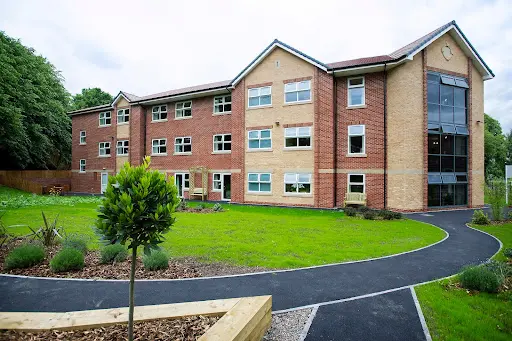
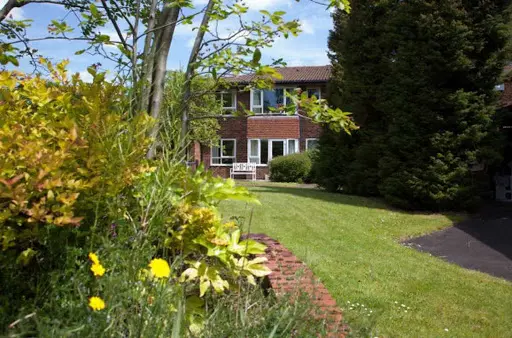
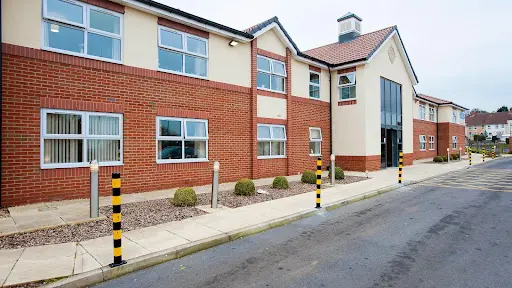
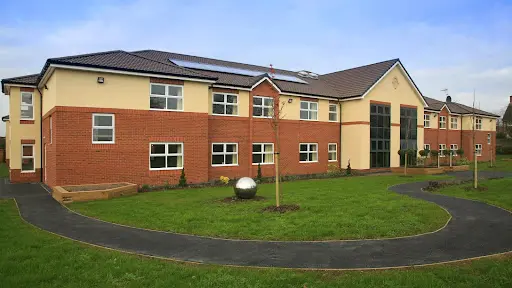
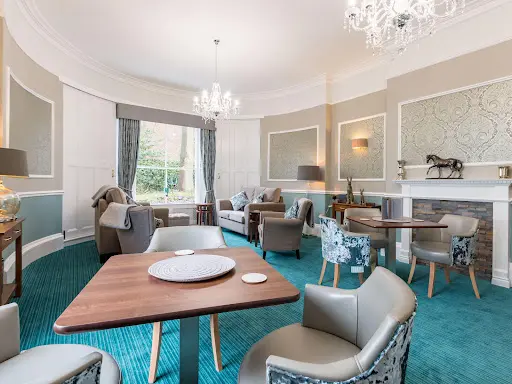
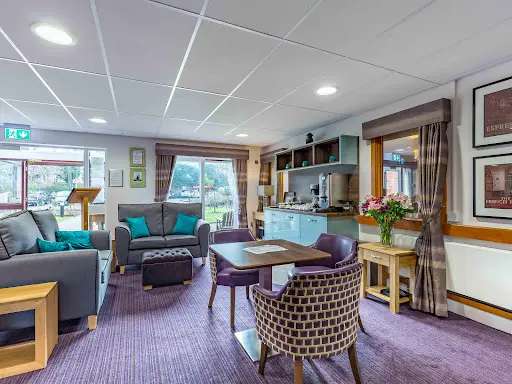
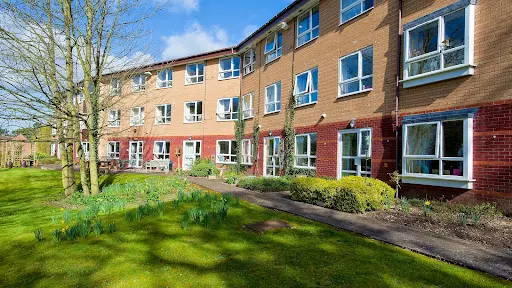
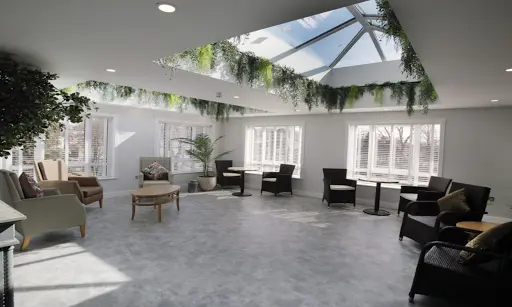
The home maintains notably high standards of cleanliness, with visitors commenting on spotless rooms and well-kept communal spaces. Social activities and personal touches like hairdressing help residents stay connected to their interests, though experiences with meals vary — some enjoy traditional Sunday roasts while others have questioned whether the food meets specific dietary needs.
“If you're considering Abbey Rose for a loved one, particularly for end-of-life care, many families have found real comfort here. For longer-term needs, especially complex dementia care, you might want to ask specific questions about staff training and daily care routines during your visit.”
DCC does not edit or curate content in this tab. For independently curated information, see The Evidence and DCC Verdict.