Stanbrook Care Home
At a Glance
The information you need to decide whether this home warrants a closer look.
Residential homes
Staff warmth score
of reviewers answered yes
Good to know
- Registered beds25
- SpecialismsCaring for adults over 65 yrs, Caring for adults under 65 yrs, Dementia, Mental health conditions, Physical disabilities, Sensory impairment
- Last inspected2020-10-29
Save Stanbrook Care Home to your shortlist
Keep a running list, add visit notes, and compare homes side-by-side. Free account — it takes a minute.
STAGE 4 — RESEARCHING CARE HOMES
Visit homes. Compare them side by side. Choose with confidence.
Most of us will view care homes the way we view houses, impression, atmosphere, the feeling in the corridor. We go home, try to remember what we saw, and make a permanent decision from a blurred memory.

The DCC shortlist gives every home you visit a structured record: the same twelve questions, answered the same way, every time. When you’re ready to choose, pull any two homes side by side and compare them directly. Same criteria, same evidence, your notes and your scores.
The Evidence
What the review data, the inspection reports, and the dementia-care evidence base tell us about this home.
What families say
Families talk about staff who stop to chat and respond when they need something. The home feels organised and cared for, with clean spaces throughout. People notice how staff approach residents and families with genuine willingness to help.
The eight family priority themes
- Staff warmth72
- Compassion & dignity72
- Cleanliness72
- Activities & engagement68
- Food quality68
- Healthcare72
- Management & leadership72
- Resident happiness70
What inspectors found
Inspected 2020-10-29
Is this home safe?
Is the care effective?
Stanbrook Care Home was rated Good for effectiveness at the February 2025 inspection. The published findings do not describe specific details about care plan quality, GP access, dementia training content, or how food and nutrition are managed. The home is registered to care for people with dementia and mental health conditions, which requires a skilled and well-trained staff team.Is this home caring?
The home was rated Good for caring at the February 2025 inspection. The published report does not include specific observations about how staff interact with residents, whether people are addressed by preferred names, or how dignity and privacy are maintained during personal care. The home supports a mixed group of adults, including people living with dementia, where non-verbal communication and unhurried interaction are particularly important.Is the home responsive?
Stanbrook Care Home was rated Good for responsiveness at the February 2025 inspection. The published findings do not describe the activity programme, how the home supports people who cannot join group activities, or how individual preferences shape daily life. The home cares for people with dementia and sensory impairments, groups for whom tailored, one-to-one engagement is particularly important.Is the home well-led?
The home received a Good rating for leadership at the February 2025 inspection. A named registered manager, Mrs Binumol Kuzhimittath Shaji, is in post, and a nominated individual from the provider, Mapleton Care Group Ltd, is also recorded. The published findings do not include specific detail about management visibility, staff culture, how the home handles complaints, or how quality is monitored over time.
Source: CQC inspection report →
What the evidence base says
The home cares for adults of all ages with dementia, mental health conditions, physical disabilities and sensory impairments. They've supported residents with complex needs including those under 65. Some families have seen their relatives with dementia stay stable here for extended periods. The staff understand the journey of dementia and work to maintain quality of life as the condition progresses. All areas worth probing directly during a visit.
The DCC Verdict
Our editorial view, built from the three lenses: what families tell us, what inspectors record, and how the home sits against good dementia-care practice.
DCC Family Score
Stanbrook Care Home achieved a Good rating across all five inspection domains at its most recent assessment in February 2025, which is a positive result. However, the published report contains very limited specific detail, so scores reflect confirmed Good ratings rather than the rich, observable evidence that would push them higher.
Homes in West Midlands typically score 68–82.The three-lens summary
What families tell us
Families talk about staff who stop to chat and respond when they need something. The home feels organised and cared for, with clean spaces throughout. People notice how staff approach residents and families with genuine willingness to help.
What inspectors have recorded
Staff here seem approachable when families have questions or concerns. They maintain good standards day to day, though like any care setting, communication can vary. The team shows commitment to keeping residents comfortable and cared for.
How it sits against good practice
Every family's experience is unique, and visiting helps you understand if this could work for your situation.
Worth a visit
Stanbrook Care Home, on Manor Road Precinct in Walsall, was assessed in February 2025 and rated Good across all five inspection domains: Safe, Effective, Caring, Responsive, and Well-led. This is a positive and encouraging result for a 25-bed home caring for people with dementia, mental health conditions, physical disabilities, and sensory impairments. A named registered manager is in post, and the provider, Mapleton Care Group Ltd, has a nominated individual on record. The main limitation here is the published report: it confirms the Good rating but provides very little specific detail about what inspectors actually observed, heard from residents, or found in records. That means this Family View cannot tell you whether staff are warm and unhurried, whether your parent's room would be clean, or whether the activity programme is genuinely meaningful. Before making a decision, visit the home in person, ask to stay for a mealtime, and put the specific questions in the checklist below directly to the registered manager.
The three questions to ask when you visitSave this home. Compare it against your shortlist.
Let our analysis show you how Stanbrook Care Home measures up against the other homes you’re considering. Free account.
In Their Own Words
How Stanbrook Care Home describes itself — collected from its own website. DCC has not edited or independently verified the content in this tab.
Caring for dementia with steady hands in Walsall
Dedicated residential home Support in Walsall
When dementia changes everything, finding somewhere that truly understands can feel impossible. Stanbrook Care Home in Walsall supports people through dementia, mental health conditions and physical disabilities. They've helped some families see their loved ones maintain wellbeing for years, with staff who take time to answer questions and keep things running smoothly.
Who they care for
The home cares for adults of all ages with dementia, mental health conditions, physical disabilities and sensory impairments. They've supported residents with complex needs including those under 65.
Some families have seen their relatives with dementia stay stable here for extended periods. The staff understand the journey of dementia and work to maintain quality of life as the condition progresses.
“Every family's experience is unique, and visiting helps you understand if this could work for your situation.”
DCC does not edit or curate content in this tab. For independently curated information, see The Evidence and DCC Verdict.
The DCC Verdict
Our editorial view, built from the three lenses: what families tell us, what inspectors record, and how the home sits against good dementia-care practice.
DCC Family Score
Stanbrook Care Home achieved a Good rating across all five inspection domains at its most recent assessment in February 2025, which is a positive result. However, the published report contains very limited specific detail, so scores reflect confirmed Good ratings rather than the rich, observable evidence that would push them higher.
Homes in West Midlands typically score 68–82.The three-lens summary
What families tell us
Families talk about staff who stop to chat and respond when they need something. The home feels organised and cared for, with clean spaces throughout. People notice how staff approach residents and families with genuine willingness to help.
What inspectors have recorded
Staff here seem approachable when families have questions or concerns. They maintain good standards day to day, though like any care setting, communication can vary. The team shows commitment to keeping residents comfortable and cared for.
How it sits against good practice
Every family's experience is unique, and visiting helps you understand if this could work for your situation.
Worth a visit
Stanbrook Care Home, on Manor Road Precinct in Walsall, was assessed in February 2025 and rated Good across all five inspection domains: Safe, Effective, Caring, Responsive, and Well-led. This is a positive and encouraging result for a 25-bed home caring for people with dementia, mental health conditions, physical disabilities, and sensory impairments. A named registered manager is in post, and the provider, Mapleton Care Group Ltd, has a nominated individual on record. The main limitation here is the published report: it confirms the Good rating but provides very little specific detail about what inspectors actually observed, heard from residents, or found in records. That means this Family View cannot tell you whether staff are warm and unhurried, whether your parent's room would be clean, or whether the activity programme is genuinely meaningful. Before making a decision, visit the home in person, ask to stay for a mealtime, and put the specific questions in the checklist below directly to the registered manager.
The three questions to ask when you visitSave this home. Compare it against your shortlist.
Let our analysis show you how Stanbrook Care Home measures up against the other homes you’re considering. Free account.
In Their Own Words
How Stanbrook Care Home describes itself — collected from its own website. DCC has not edited or independently verified the content in this tab.
Caring for dementia with steady hands in Walsall
Dedicated residential home Support in Walsall
When dementia changes everything, finding somewhere that truly understands can feel impossible. Stanbrook Care Home in Walsall supports people through dementia, mental health conditions and physical disabilities. They've helped some families see their loved ones maintain wellbeing for years, with staff who take time to answer questions and keep things running smoothly.
Who they care for
The home cares for adults of all ages with dementia, mental health conditions, physical disabilities and sensory impairments. They've supported residents with complex needs including those under 65.
Some families have seen their relatives with dementia stay stable here for extended periods. The staff understand the journey of dementia and work to maintain quality of life as the condition progresses.
Management & ethos
Staff here seem approachable when families have questions or concerns. They maintain good standards day to day, though like any care setting, communication can vary. The team shows commitment to keeping residents comfortable and cared for.
The home & environment
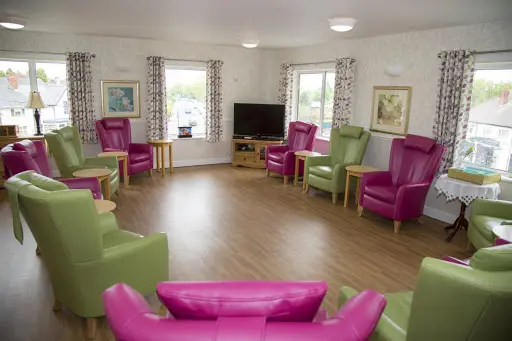
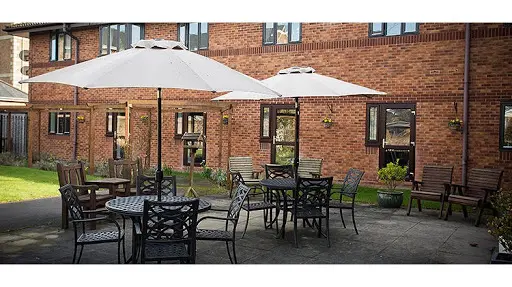
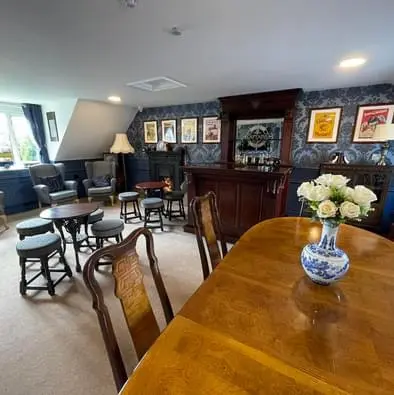
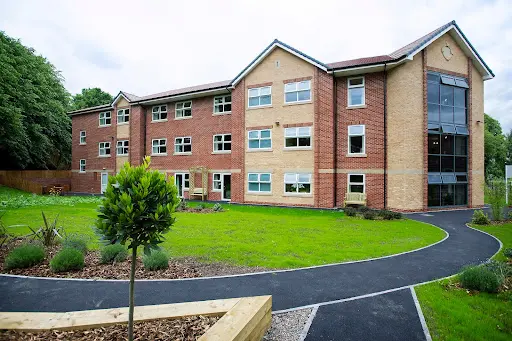
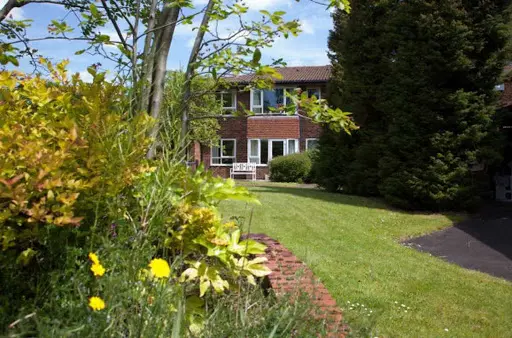
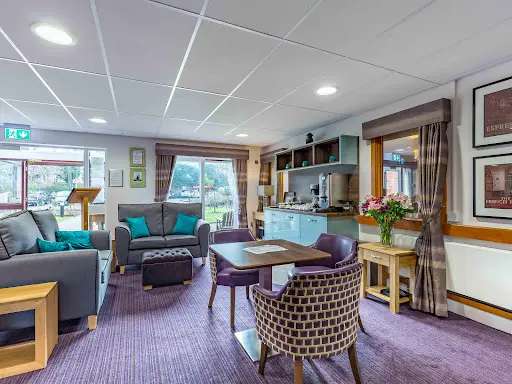
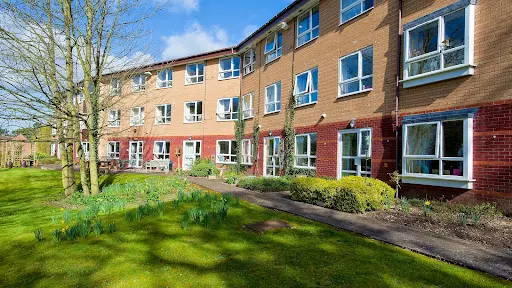
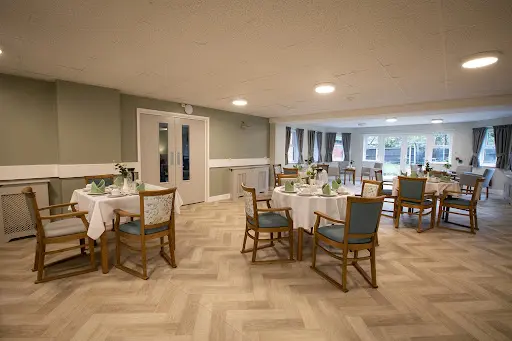
The home keeps things tidy and well-maintained, something families mention consistently. Meals are prepared with care, and the dining experience matters here. The environment feels looked after, from the communal areas to individual rooms.
“Every family's experience is unique, and visiting helps you understand if this could work for your situation.”
DCC does not edit or curate content in this tab. For independently curated information, see The Evidence and DCC Verdict.