Penlee Residential Care Home
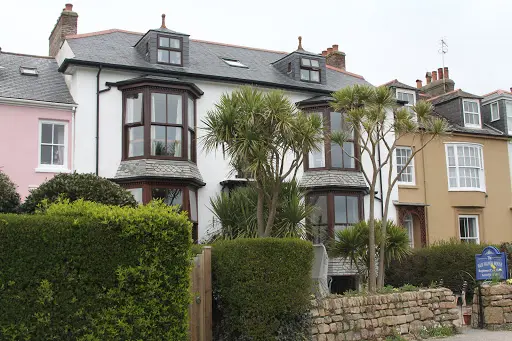
At a Glance
The information you need to decide whether this home warrants a closer look.
Residential homes
Staff warmth score
of reviewers answered yes
Good to know
- Registered beds25
- SpecialismsCaring for adults over 65 yrs, Caring for adults under 65 yrs, Dementia, Mental health conditions, Physical disabilities, Sensory impairment
- Last inspected2022-11-18
Save Penlee Residential Care Home to your shortlist
Keep a running list, add visit notes, and compare homes side-by-side. Free account — it takes a minute.
STAGE 4 — RESEARCHING CARE HOMES
Visit homes. Compare them side by side. Choose with confidence.
Most of us will view care homes the way we view houses, impression, atmosphere, the feeling in the corridor. We go home, try to remember what we saw, and make a permanent decision from a blurred memory.

The DCC shortlist gives every home you visit a structured record: the same twelve questions, answered the same way, every time. When you’re ready to choose, pull any two homes side by side and compare them directly. Same criteria, same evidence, your notes and your scores.
The Evidence
What the review data, the inspection reports, and the dementia-care evidence base tell us about this home.
What families say
Residents here seem to settle in well, with families reporting their loved ones appear content even after many months. The home maintains an open-door approach to visiting, and relatives appreciate being able to chat with staff about how their family member is doing.
The eight family priority themes
- Staff warmth72
- Compassion & dignity72
- Cleanliness68
- Activities & engagement60
- Food quality60
- Healthcare68
- Management & leadership75
- Resident happiness68
What inspectors found
Inspected 2022-11-18
Is this home safe?
Is the care effective?
The Effective domain was rated Good at the October 2022 inspection. This domain covers care planning, staff training, healthcare access, nutrition, and hydration. The published summary does not include specific observations about care plan quality, GP access arrangements, dementia training content, or food provision. Dementia is listed as a specialism, which means effective care planning and dementia-specific training are particularly important here.Is this home caring?
The Caring domain was rated Good at the October 2022 inspection. This domain covers staff warmth, dignity and respect, privacy, and support for independence. The published summary does not include specific inspector observations, resident testimony, or family quotes that would give detail behind that rating. For a home supporting people with dementia, the quality of unscripted, everyday interactions matters as much as formal care processes.Is the home responsive?
The Responsive domain was rated Good at the October 2022 inspection. This domain covers activities, individualised engagement, responsiveness to changing needs, and end-of-life care planning. The published summary does not describe what activities are available, how they are tailored to individual residents, or what arrangements are in place for people with advanced dementia who cannot join group sessions. The home supports a range of needs including dementia, mental health conditions, and physical and sensory impairments.Is the home well-led?
The Well-led domain was rated Good at the October 2022 inspection, having previously been rated Requires Improvement. The registered manager is named as Mrs Anna Cavendish Billinger, and the nominated individual is Mr Shahal Abdul Rahim. The improvement across all five domains from the previous inspection suggests that leadership identified problems and made changes. The published summary does not detail how long the current manager has been in post, how staff are supported, or how the home handles feedback from residents and families.
Source: CQC inspection report →
What the evidence base says
Penlee cares for adults of all ages, including those under 65, and has experience supporting people with physical disabilities, sensory impairments, and mental health conditions. The home welcomes residents living with dementia, with staff who understand the importance of maintaining routines and providing appropriate activities for cognitive engagement. All areas worth probing directly during a visit.
The DCC Verdict
Our editorial view, built from the three lenses: what families tell us, what inspectors record, and how the home sits against good dementia-care practice.
DCC Family Score
Penlee Residential Care Home achieved a Good rating across all five inspection domains after a previous Requires Improvement, which is an encouraging trajectory. However, the published inspection text contains limited specific detail, so scores reflect that positive direction rather than a wealth of direct, observed evidence.
Homes in South West typically score 68–82.The three-lens summary
What families tell us
Residents here seem to settle in well, with families reporting their loved ones appear content even after many months. The home maintains an open-door approach to visiting, and relatives appreciate being able to chat with staff about how their family member is doing.
What inspectors have recorded
Staff here make themselves available when families need to talk, whether that's a quick update or a longer conversation about care plans. The team's attentive approach means residents get the support they need throughout the day.
How it sits against good practice
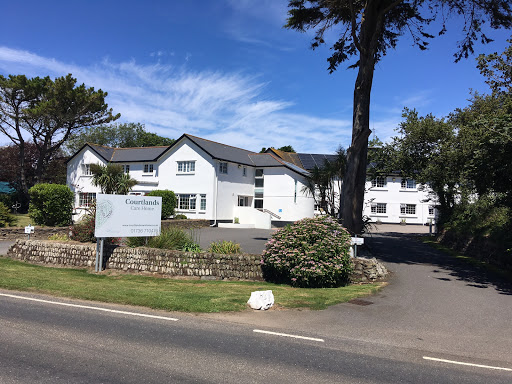
For families seeking somewhere that combines practical care with genuine attentiveness, Penlee offers both in a comfortable Penzance setting.
Worth a visit
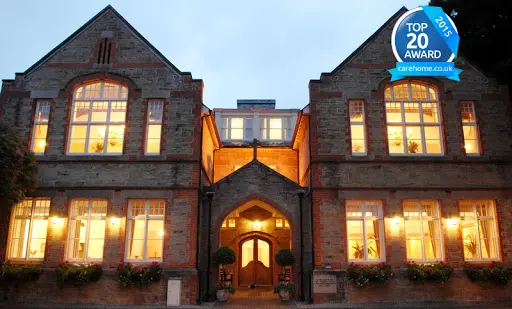
Penlee Residential Care Home, at 56 Morrab Road in Penzance, was rated Good across all five inspection domains at its most recent inspection in October 2022. This is a meaningful improvement: the home had previously been rated Requires Improvement, so inspectors found enough change to lift every domain. The home is registered for 25 beds and supports people with dementia, mental health conditions, physical disabilities, and sensory impairment, which makes it a relatively specialist small home. The main uncertainty here is that the published inspection summary is brief and contains very little specific detail about what inspectors actually observed. A Good rating is positive, but it tells you the floor, not the ceiling. On your visit, ask to see the staffing rota from last week (not a template), ask how many permanent staff work nights, and watch how staff speak to your parent in unscripted moments in corridors or at mealtimes. The improvement from Requires Improvement is encouraging, but you will want to satisfy yourself that the changes are embedded and not surface-level.
The three questions to ask when you visitSave this home. Compare it against your shortlist.
Let our analysis show you how Penlee Residential Care Home measures up against the other homes you’re considering. Free account.
In Their Own Words
How Penlee Residential Care Home describes itself — collected from its own website. DCC has not edited or independently verified the content in this tab.
Where attentive care meets daily activities in Penzance
Penlee Residential Care Home – Your Trusted residential home
Families looking for consistent, responsive care often find what they're searching for at Penlee Residential Care Home in Penzance. This South West home has built a reputation for keeping residents engaged through regular activities while maintaining close communication with families. The home welcomes people with various care needs, from physical disabilities to dementia.
Who they care for
Penlee cares for adults of all ages, including those under 65, and has experience supporting people with physical disabilities, sensory impairments, and mental health conditions.
The home welcomes residents living with dementia, with staff who understand the importance of maintaining routines and providing appropriate activities for cognitive engagement.
“For families seeking somewhere that combines practical care with genuine attentiveness, Penlee offers both in a comfortable Penzance setting.”
DCC does not edit or curate content in this tab. For independently curated information, see The Evidence and DCC Verdict.
The DCC Verdict
Our editorial view, built from the three lenses: what families tell us, what inspectors record, and how the home sits against good dementia-care practice.
DCC Family Score
Penlee Residential Care Home achieved a Good rating across all five inspection domains after a previous Requires Improvement, which is an encouraging trajectory. However, the published inspection text contains limited specific detail, so scores reflect that positive direction rather than a wealth of direct, observed evidence.
Homes in South West typically score 68–82.The three-lens summary
What families tell us
Residents here seem to settle in well, with families reporting their loved ones appear content even after many months. The home maintains an open-door approach to visiting, and relatives appreciate being able to chat with staff about how their family member is doing.
What inspectors have recorded
Staff here make themselves available when families need to talk, whether that's a quick update or a longer conversation about care plans. The team's attentive approach means residents get the support they need throughout the day.
How it sits against good practice
For families seeking somewhere that combines practical care with genuine attentiveness, Penlee offers both in a comfortable Penzance setting.
Worth a visit
Penlee Residential Care Home, at 56 Morrab Road in Penzance, was rated Good across all five inspection domains at its most recent inspection in October 2022. This is a meaningful improvement: the home had previously been rated Requires Improvement, so inspectors found enough change to lift every domain. The home is registered for 25 beds and supports people with dementia, mental health conditions, physical disabilities, and sensory impairment, which makes it a relatively specialist small home. The main uncertainty here is that the published inspection summary is brief and contains very little specific detail about what inspectors actually observed. A Good rating is positive, but it tells you the floor, not the ceiling. On your visit, ask to see the staffing rota from last week (not a template), ask how many permanent staff work nights, and watch how staff speak to your parent in unscripted moments in corridors or at mealtimes. The improvement from Requires Improvement is encouraging, but you will want to satisfy yourself that the changes are embedded and not surface-level.
The three questions to ask when you visitSave this home. Compare it against your shortlist.
Let our analysis show you how Penlee Residential Care Home measures up against the other homes you’re considering. Free account.
In Their Own Words
How Penlee Residential Care Home describes itself — collected from its own website. DCC has not edited or independently verified the content in this tab.
Where attentive care meets daily activities in Penzance
Penlee Residential Care Home – Your Trusted residential home
Families looking for consistent, responsive care often find what they're searching for at Penlee Residential Care Home in Penzance. This South West home has built a reputation for keeping residents engaged through regular activities while maintaining close communication with families. The home welcomes people with various care needs, from physical disabilities to dementia.
Who they care for
Penlee cares for adults of all ages, including those under 65, and has experience supporting people with physical disabilities, sensory impairments, and mental health conditions.
The home welcomes residents living with dementia, with staff who understand the importance of maintaining routines and providing appropriate activities for cognitive engagement.
Management & ethos
Staff here make themselves available when families need to talk, whether that's a quick update or a longer conversation about care plans. The team's attentive approach means residents get the support they need throughout the day.
The home & environment
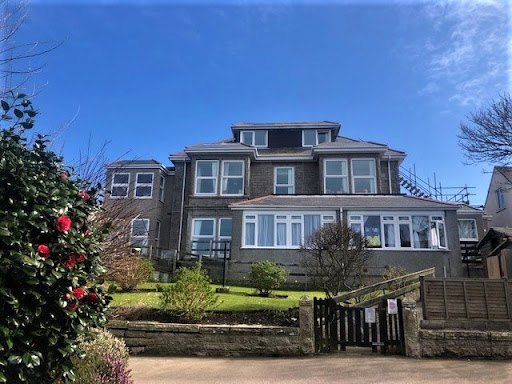
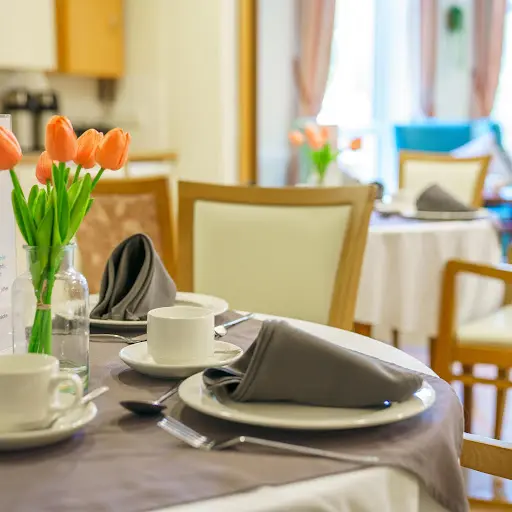
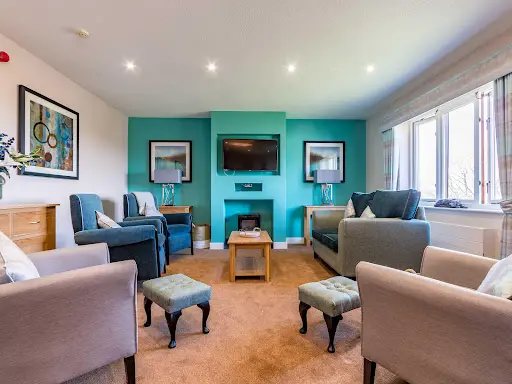
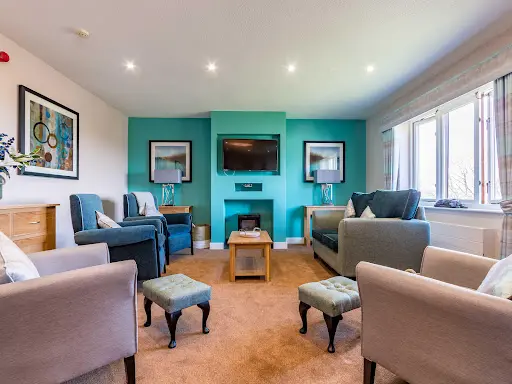
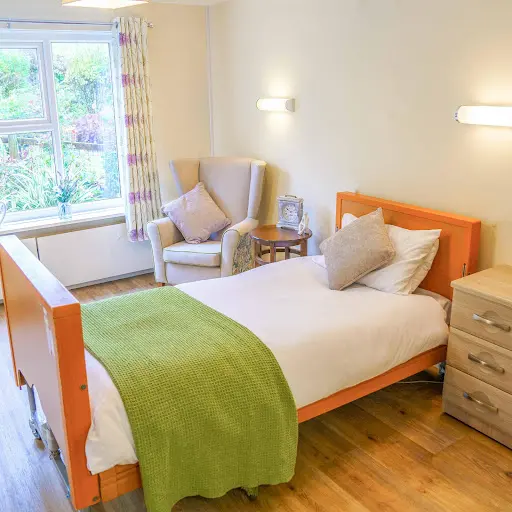
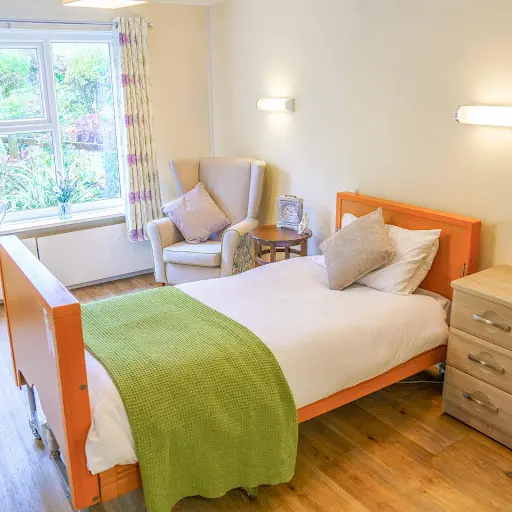
Each resident has their own private room with ensuite facilities, furnished to feel comfortable and personal. The home runs a regular programme of activities that helps keep days structured and residents engaged.
“For families seeking somewhere that combines practical care with genuine attentiveness, Penlee offers both in a comfortable Penzance setting.”
DCC does not edit or curate content in this tab. For independently curated information, see The Evidence and DCC Verdict.