Crossroads House Care Home

At a Glance
The information you need to decide whether this home warrants a closer look.
Residential homes
Staff warmth score
of reviewers answered yes
Good to know
- Registered beds47
- SpecialismsCaring for adults over 65 yrs, Caring for adults under 65 yrs, Dementia, Physical disabilities, Sensory impairment
- Last inspected2019-04-18
Save Crossroads House Care Home to your shortlist
Keep a running list, add visit notes, and compare homes side-by-side. Free account — it takes a minute.
STAGE 4 — RESEARCHING CARE HOMES
Visit homes. Compare them side by side. Choose with confidence.
Most of us will view care homes the way we view houses, impression, atmosphere, the feeling in the corridor. We go home, try to remember what we saw, and make a permanent decision from a blurred memory.

The DCC shortlist gives every home you visit a structured record: the same twelve questions, answered the same way, every time. When you’re ready to choose, pull any two homes side by side and compare them directly. Same criteria, same evidence, your notes and your scores.
The Evidence
What the review data, the inspection reports, and the dementia-care evidence base tell us about this home.
What families say
Families describe walking into a care home that feels deliberately different. There's an on-site tea shop where residents can meet visitors, a working pub, even a little village shop — all designed to keep daily life feeling normal and purposeful. It's this attention to creating real experiences, not just activities, that families say makes the difference.
The eight family priority themes
- Staff warmth72
- Compassion & dignity72
- Cleanliness65
- Activities & engagement88
- Food quality60
- Healthcare65
- Management & leadership85
- Resident happiness75
What inspectors found
Inspected 2019-04-18
Is this home safe?
Is the care effective?
The home was rated Good for effective at its January 2022 inspection. This domain covers whether staff have the training and knowledge to do their jobs well, whether care plans reflect what people actually need, and whether residents have good access to healthcare professionals including GPs. The home's specialisms include dementia, physical disabilities, and sensory impairment, which means inspectors will have considered whether staff training matched the complexity of needs. No specific detail about training content, GP access frequency, or care plan quality is available in the published summary.Is this home caring?
Crossroads House Care Home was rated Good for caring at its January 2022 inspection. This rating covers staff warmth, how residents are treated with dignity and respect, and whether people are supported to maintain as much independence as possible. Staff warmth is the single highest-weighted theme in our family review data, appearing in 57.3% of positive reviews, so a Good caring rating is an important signal. However, the published report summary contains no direct quotes from residents or relatives and no specific observations of staff interactions, making it difficult to go beyond the rating itself.Is the home responsive?
The home was rated Outstanding for responsive, the highest rating available, at its January 2022 inspection. This domain covers how well the home tailors its care and activities to the individual needs, preferences, and life histories of the people who live there. An Outstanding rating in this area is uncommon and is a meaningful signal that inspectors found genuine individuality in how care is delivered. The home cares for people with dementia, physical disabilities, and sensory impairment, so inspectors will have considered how well the home adapts to a wide range of needs. The published summary does not describe specific activities, individual care approaches, or end-of-life planning in detail.Is the home well-led?
Crossroads House Care Home was rated Outstanding for well-led at its January 2022 inspection. The home is run by Anson Care Services Limited, with a named registered manager and a nominated individual also identified. An Outstanding well-led rating indicates inspectors found strong, visible leadership, a positive culture, and robust governance systems including the ability to learn from incidents and drive continuous improvement. This rating is relatively rare and is a strong predictor of sustained quality. The published summary does not give detail on manager tenure, staff satisfaction, or specific governance mechanisms.
Source: CQC inspection report →
What the evidence base says
The home cares for people with dementia, physical disabilities, and sensory impairments, with experience supporting both younger adults under 65 and older residents. Families particularly value how the team responds to residents as individuals first, adapting their approach based on each person's needs and preferences rather than following rigid dementia care protocols. This flexibility seems to help residents maintain their independence and dignity longer. All areas worth probing directly during a visit.
The DCC Verdict
Our editorial view, built from the three lenses: what families tell us, what inspectors record, and how the home sits against good dementia-care practice.
DCC Family Score
Crossroads House Care Home earned an Outstanding overall rating, driven by exceptional scores in how it responds to individual needs and how it is led, with Good ratings across safety, effectiveness, and care. The score reflects strong evidence in responsiveness and leadership, tempered by limited inspection detail in areas like food, cleanliness, and night staffing.
Homes in South West typically score 68–82.The three-lens summary
What families tell us
Families describe walking into a care home that feels deliberately different. There's an on-site tea shop where residents can meet visitors, a working pub, even a little village shop — all designed to keep daily life feeling normal and purposeful. It's this attention to creating real experiences, not just activities, that families say makes the difference.
What inspectors have recorded
What strikes families most is how consistent the care feels across different staff and shifts. They describe caregivers who seem genuinely committed, not just going through motions. When families have faced their hardest moments here, including end-of-life care, they've found staff who combine real expertise with human warmth — knowing when to step in and when to simply be present.
How it sits against good practice
For families facing these decisions in Redruth, visiting might help you understand what makes this approach to dementia care feel different.
Worth a visit
Crossroads House Care Home in Scorrier, Redruth was rated Outstanding overall at its last inspection, carried out on 11 January 2022 and published on 11 February 2022. Inspectors rated the home Good for safety, effectiveness, and care, and Outstanding for how it responds to individual needs and how it is led. These are the highest ratings available, and an Outstanding in both responsive and well-led is relatively uncommon across the sector. The main limitation for families reading this report is that the published summary provides very limited specific detail: no direct quotes from residents or relatives, no descriptions of individual interactions, and no data on staffing ratios, food, or the physical environment. The rating itself is a strong positive signal, but you should visit the home, ask for the full inspection report, and use the checklist questions below to fill in the gaps the published findings leave open. Pay particular attention to night staffing numbers, how the home communicates with families, and what activities look like for someone who cannot join group sessions.
The three questions to ask when you visitSave this home. Compare it against your shortlist.
Let our analysis show you how Crossroads House Care Home measures up against the other homes you’re considering. Free account.
In Their Own Words
How Crossroads House Care Home describes itself — collected from its own website. DCC has not edited or independently verified the content in this tab.
Where dementia care feels like everyday life, not a medical routine
Residential home in Redruth: True Peace of Mind
When families describe Crossroads House Care Home in Redruth, they talk about something harder to measure than clinical standards — they talk about how their loved ones are still themselves here. This care home has created something families notice: a place where residents with dementia make choices about their days, where staff know the difference between caring for someone and caring about them.
Who they care for
The home cares for people with dementia, physical disabilities, and sensory impairments, with experience supporting both younger adults under 65 and older residents.
Families particularly value how the team responds to residents as individuals first, adapting their approach based on each person's needs and preferences rather than following rigid dementia care protocols. This flexibility seems to help residents maintain their independence and dignity longer.
“For families facing these decisions in Redruth, visiting might help you understand what makes this approach to dementia care feel different.”
DCC does not edit or curate content in this tab. For independently curated information, see The Evidence and DCC Verdict.
The DCC Verdict
Our editorial view, built from the three lenses: what families tell us, what inspectors record, and how the home sits against good dementia-care practice.
DCC Family Score
Crossroads House Care Home earned an Outstanding overall rating, driven by exceptional scores in how it responds to individual needs and how it is led, with Good ratings across safety, effectiveness, and care. The score reflects strong evidence in responsiveness and leadership, tempered by limited inspection detail in areas like food, cleanliness, and night staffing.
Homes in South West typically score 68–82.The three-lens summary
What families tell us
Families describe walking into a care home that feels deliberately different. There's an on-site tea shop where residents can meet visitors, a working pub, even a little village shop — all designed to keep daily life feeling normal and purposeful. It's this attention to creating real experiences, not just activities, that families say makes the difference.
What inspectors have recorded
What strikes families most is how consistent the care feels across different staff and shifts. They describe caregivers who seem genuinely committed, not just going through motions. When families have faced their hardest moments here, including end-of-life care, they've found staff who combine real expertise with human warmth — knowing when to step in and when to simply be present.
How it sits against good practice
For families facing these decisions in Redruth, visiting might help you understand what makes this approach to dementia care feel different.
Worth a visit
Crossroads House Care Home in Scorrier, Redruth was rated Outstanding overall at its last inspection, carried out on 11 January 2022 and published on 11 February 2022. Inspectors rated the home Good for safety, effectiveness, and care, and Outstanding for how it responds to individual needs and how it is led. These are the highest ratings available, and an Outstanding in both responsive and well-led is relatively uncommon across the sector. The main limitation for families reading this report is that the published summary provides very limited specific detail: no direct quotes from residents or relatives, no descriptions of individual interactions, and no data on staffing ratios, food, or the physical environment. The rating itself is a strong positive signal, but you should visit the home, ask for the full inspection report, and use the checklist questions below to fill in the gaps the published findings leave open. Pay particular attention to night staffing numbers, how the home communicates with families, and what activities look like for someone who cannot join group sessions.
The three questions to ask when you visitSave this home. Compare it against your shortlist.
Let our analysis show you how Crossroads House Care Home measures up against the other homes you’re considering. Free account.
In Their Own Words
How Crossroads House Care Home describes itself — collected from its own website. DCC has not edited or independently verified the content in this tab.
Where dementia care feels like everyday life, not a medical routine
Residential home in Redruth: True Peace of Mind
When families describe Crossroads House Care Home in Redruth, they talk about something harder to measure than clinical standards — they talk about how their loved ones are still themselves here. This care home has created something families notice: a place where residents with dementia make choices about their days, where staff know the difference between caring for someone and caring about them.
Who they care for
The home cares for people with dementia, physical disabilities, and sensory impairments, with experience supporting both younger adults under 65 and older residents.
Families particularly value how the team responds to residents as individuals first, adapting their approach based on each person's needs and preferences rather than following rigid dementia care protocols. This flexibility seems to help residents maintain their independence and dignity longer.
Management & ethos
What strikes families most is how consistent the care feels across different staff and shifts. They describe caregivers who seem genuinely committed, not just going through motions. When families have faced their hardest moments here, including end-of-life care, they've found staff who combine real expertise with human warmth — knowing when to step in and when to simply be present.
The home & environment
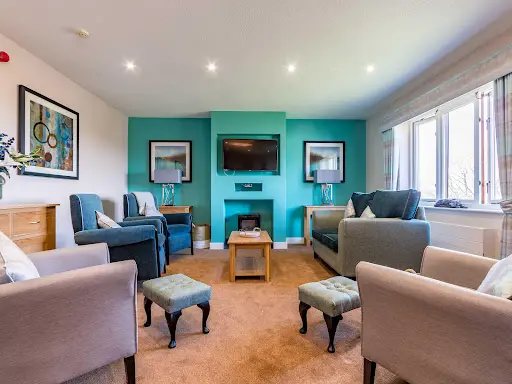
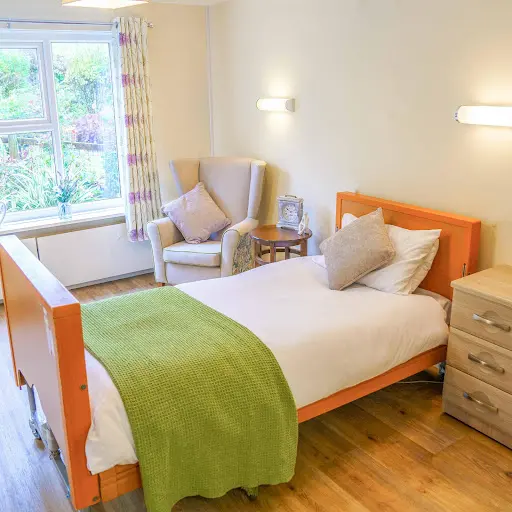
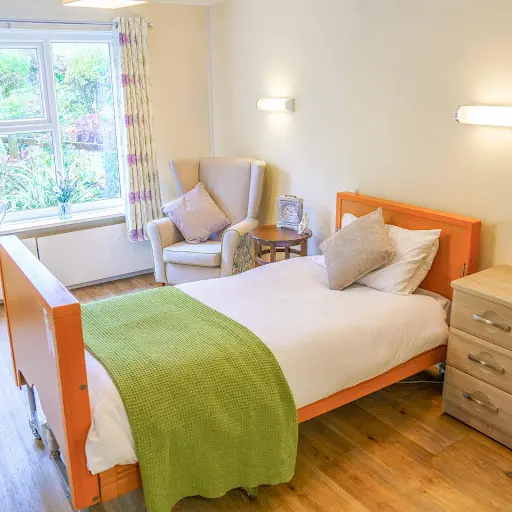
The home has thought carefully about what helps people with dementia feel at home. Beyond the tea shop and pub, there's a hairdresser on site, giving residents those small rituals that matter. Families mention these aren't just amenities — they're part of how the home helps residents maintain their sense of self and routine.
“For families facing these decisions in Redruth, visiting might help you understand what makes this approach to dementia care feel different.”
DCC does not edit or curate content in this tab. For independently curated information, see The Evidence and DCC Verdict.