Charnwood Country Residence
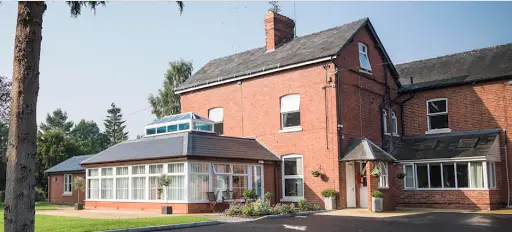
At a Glance
The information you need to decide whether this home warrants a closer look.
Residential homes
Staff warmth score
of reviewers answered yes
Good to know
- Registered beds27
- SpecialismsCaring for adults over 65 yrs, Dementia
- Last inspected2019-05-24
Save Charnwood Country Residence to your shortlist
Keep a running list, add visit notes, and compare homes side-by-side. Free account — it takes a minute.
STAGE 4 — RESEARCHING CARE HOMES
Visit homes. Compare them side by side. Choose with confidence.
Most of us will view care homes the way we view houses, impression, atmosphere, the feeling in the corridor. We go home, try to remember what we saw, and make a permanent decision from a blurred memory.

The DCC shortlist gives every home you visit a structured record: the same twelve questions, answered the same way, every time. When you’re ready to choose, pull any two homes side by side and compare them directly. Same criteria, same evidence, your notes and your scores.
The Evidence
What the review data, the inspection reports, and the dementia-care evidence base tell us about this home.
What families say
Families describe staff who genuinely care about the people they look after, taking time to chat with residents and offering cups of tea to visiting relatives. The atmosphere feels relaxed and friendly, with staff treating everyone with real consideration.
The eight family priority themes
- Staff warmth85
- Compassion & dignity88
- Cleanliness72
- Activities & engagement80
- Food quality65
- Healthcare70
- Management & leadership85
- Resident happiness78
What inspectors found
Inspected 2019-05-24
Is this home safe?
Is the care effective?
The Effective domain was rated Good at the March 2019 inspection. This covers whether staff have the training and knowledge to meet the needs of people living there, whether care plans are detailed and regularly reviewed, and whether residents have good access to healthcare including GP visits. The home is registered as a dementia specialist, so inspectors will have assessed dementia-specific training as part of this domain. The published summary does not describe the content of training programmes, how often care plans are reviewed, or how frequently the GP attends.Is this home caring?
Caring was rated Outstanding at the March 2019 inspection, the highest grade available and one that only a small proportion of homes in England achieve. An Outstanding Caring rating requires inspectors to observe, across multiple visits and evidence sources, that staff treat residents with consistent warmth, respect their dignity and privacy, support their independence, and respond to their individual emotional and personal needs. The published summary does not reproduce specific inspector observations or resident and relative quotes, but the Outstanding grade itself is a strong evidence-based signal.Is the home responsive?
Responsive was rated Outstanding at the March 2019 inspection. This domain covers whether the home tailors its care and activities to the individual needs and preferences of each person living there, including those with dementia. Outstanding in Responsive requires evidence that activity provision goes beyond group programmes to include meaningful one-to-one engagement, that care is genuinely individualised, and that end-of-life planning is handled with sensitivity. The published summary does not describe specific activities, their frequency, or how one-to-one engagement is arranged for residents who cannot participate in group activities.Is the home well-led?
Well-led was rated Outstanding at the March 2019 inspection. Two registered managers, Miss Lindsay Anne Hagley and a co-manager, are named on the registration alongside the home's owners. Outstanding in Well-led requires inspectors to find a clear, positive culture, a management team that is visible and known to residents and staff, systems that genuinely drive improvement rather than tick boxes, and an environment where staff feel supported and able to raise concerns. The inspection took place over six years ago, and management continuity since then is not confirmed in the published summary.
Source: CQC inspection report →
What the evidence base says
The home provides specialist dementia care alongside general support for older adults. Group activities like singing help create moments of connection and enjoyment. For residents living with dementia, the home offers gentle support through transitions and engaging activities. Families are encouraged to join in with singing sessions and other group activities that help maintain connections. All areas worth probing directly during a visit.
The DCC Verdict
Our editorial view, built from the three lenses: what families tell us, what inspectors record, and how the home sits against good dementia-care practice.
DCC Family Score
Charnwood Country Residence earned an Outstanding overall rating at its only recorded inspection, with particular strength in caring, responsiveness, and leadership. Scores reflect the outstanding domains but are tempered by the age of the inspection (March 2019) and the limited specific detail available in the published summary.
Homes in West Midlands typically score 68–82.The three-lens summary
What families tell us
Families describe staff who genuinely care about the people they look after, taking time to chat with residents and offering cups of tea to visiting relatives. The atmosphere feels relaxed and friendly, with staff treating everyone with real consideration.
What inspectors have recorded
Staff show real attentiveness to residents' needs, and management tries to help new residents settle in during those difficult first weeks. Though one family experienced confusion about respite care hours and visitor facilities, the team's day-to-day care remains consistently thoughtful.
How it sits against good practice
If you're considering Charnwood Country Residence, visiting will give you the clearest picture of their approach to care.
Worth a visit
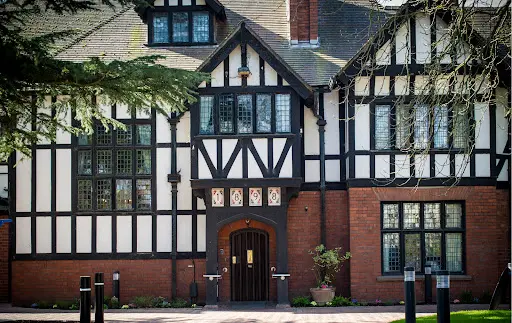
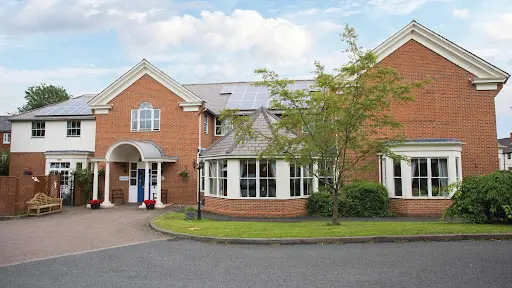
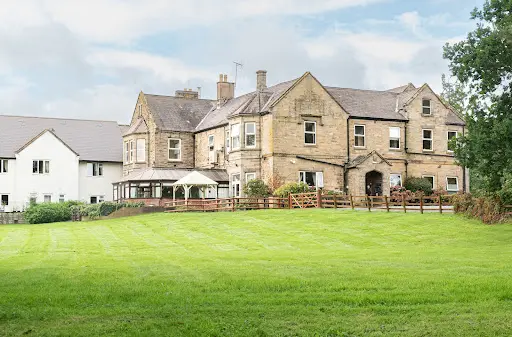
Charnwood Country Residence, in the village of Much Dewchurch near Hereford, was rated Outstanding overall at its inspection in March 2019, placing it among the top tier of care homes in England. Three of its five domains, Caring, Responsive, and Well-led, were judged Outstanding, with Safe and Effective both rated Good. An Outstanding Caring rating is awarded only when inspectors observe consistently warm, respectful, and person-centred interactions across a home's entire operation, not just on a good day. The most important thing to know is that this inspection took place in March 2019, more than six years ago. A 2023 monitoring review found no evidence requiring a reassessment, but that is a data check rather than a fresh visit. A lot can change in six years, including staffing, management continuity, and the physical environment. When you visit, ask how many of the permanent staff from 2019 are still working there, whether the same registered managers are in post, what the current night staffing ratio is for the dementia unit, and request a walk-through of the communal and outdoor spaces. The Outstanding rating is a genuine signal of quality, but your own eyes on a visit in 2025 or 2026 matter more than a six-year-old report.
The three questions to ask when you visitSave this home. Compare it against your shortlist.
Let our analysis show you how Charnwood Country Residence measures up against the other homes you’re considering. Free account.
In Their Own Words
How Charnwood Country Residence describes itself — collected from its own website. DCC has not edited or independently verified the content in this tab.
Where genuine warmth meets everyday care in Hereford
Compassionate Care in Hereford at Charnwood Country Residence
When families visit Charnwood Country Residence in Hereford, they often comment on the warmth they feel — not just in how staff care for residents, but in the small touches that make visits easier for everyone. This West Midlands care home specialises in dementia care and supporting adults over 65, creating an environment where both residents and their families feel welcomed.
Who they care for
The home provides specialist dementia care alongside general support for older adults. Group activities like singing help create moments of connection and enjoyment.
For residents living with dementia, the home offers gentle support through transitions and engaging activities. Families are encouraged to join in with singing sessions and other group activities that help maintain connections.
“If you're considering Charnwood Country Residence, visiting will give you the clearest picture of their approach to care.”
DCC does not edit or curate content in this tab. For independently curated information, see The Evidence and DCC Verdict.
The DCC Verdict
Our editorial view, built from the three lenses: what families tell us, what inspectors record, and how the home sits against good dementia-care practice.
DCC Family Score
Charnwood Country Residence earned an Outstanding overall rating at its only recorded inspection, with particular strength in caring, responsiveness, and leadership. Scores reflect the outstanding domains but are tempered by the age of the inspection (March 2019) and the limited specific detail available in the published summary.
Homes in West Midlands typically score 68–82.The three-lens summary
What families tell us
Families describe staff who genuinely care about the people they look after, taking time to chat with residents and offering cups of tea to visiting relatives. The atmosphere feels relaxed and friendly, with staff treating everyone with real consideration.
What inspectors have recorded
Staff show real attentiveness to residents' needs, and management tries to help new residents settle in during those difficult first weeks. Though one family experienced confusion about respite care hours and visitor facilities, the team's day-to-day care remains consistently thoughtful.
How it sits against good practice
If you're considering Charnwood Country Residence, visiting will give you the clearest picture of their approach to care.
Worth a visit
Charnwood Country Residence, in the village of Much Dewchurch near Hereford, was rated Outstanding overall at its inspection in March 2019, placing it among the top tier of care homes in England. Three of its five domains, Caring, Responsive, and Well-led, were judged Outstanding, with Safe and Effective both rated Good. An Outstanding Caring rating is awarded only when inspectors observe consistently warm, respectful, and person-centred interactions across a home's entire operation, not just on a good day. The most important thing to know is that this inspection took place in March 2019, more than six years ago. A 2023 monitoring review found no evidence requiring a reassessment, but that is a data check rather than a fresh visit. A lot can change in six years, including staffing, management continuity, and the physical environment. When you visit, ask how many of the permanent staff from 2019 are still working there, whether the same registered managers are in post, what the current night staffing ratio is for the dementia unit, and request a walk-through of the communal and outdoor spaces. The Outstanding rating is a genuine signal of quality, but your own eyes on a visit in 2025 or 2026 matter more than a six-year-old report.
The three questions to ask when you visitSave this home. Compare it against your shortlist.
Let our analysis show you how Charnwood Country Residence measures up against the other homes you’re considering. Free account.
In Their Own Words
How Charnwood Country Residence describes itself — collected from its own website. DCC has not edited or independently verified the content in this tab.
Where genuine warmth meets everyday care in Hereford
Compassionate Care in Hereford at Charnwood Country Residence
When families visit Charnwood Country Residence in Hereford, they often comment on the warmth they feel — not just in how staff care for residents, but in the small touches that make visits easier for everyone. This West Midlands care home specialises in dementia care and supporting adults over 65, creating an environment where both residents and their families feel welcomed.
Who they care for
The home provides specialist dementia care alongside general support for older adults. Group activities like singing help create moments of connection and enjoyment.
For residents living with dementia, the home offers gentle support through transitions and engaging activities. Families are encouraged to join in with singing sessions and other group activities that help maintain connections.
Management & ethos
Staff show real attentiveness to residents' needs, and management tries to help new residents settle in during those difficult first weeks. Though one family experienced confusion about respite care hours and visitor facilities, the team's day-to-day care remains consistently thoughtful.
The home & environment
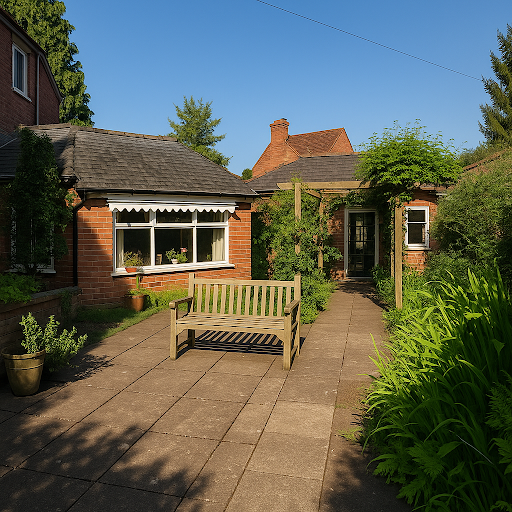
The home keeps things fresh and clean, with flowers brightening up the spaces. Mealtimes bring choice and a social element — residents can enjoy a drink together before lunch, and the food itself gets positive mentions from families.
“If you're considering Charnwood Country Residence, visiting will give you the clearest picture of their approach to care.”
DCC does not edit or curate content in this tab. For independently curated information, see The Evidence and DCC Verdict.