Autumn Vale Care Centre
At a Glance
The information you need to decide whether this home warrants a closer look.
Nursing homes
Staff warmth score
of reviewers answered yes
Good to know
- Registered beds69
- SpecialismsCaring for adults over 65 yrs, Caring for adults under 65 yrs, Dementia
- Last inspected2019-08-14
Save Autumn Vale Care Centre to your shortlist
Keep a running list, add visit notes, and compare homes side-by-side. Free account — it takes a minute.
STAGE 4 — RESEARCHING CARE HOMES
Visit homes. Compare them side by side. Choose with confidence.
Most of us will view care homes the way we view houses, impression, atmosphere, the feeling in the corridor. We go home, try to remember what we saw, and make a permanent decision from a blurred memory.

The DCC shortlist gives every home you visit a structured record: the same twelve questions, answered the same way, every time. When you’re ready to choose, pull any two homes side by side and compare them directly. Same criteria, same evidence, your notes and your scores.
The Evidence
What the review data, the inspection reports, and the dementia-care evidence base tell us about this home.
What families say
Families describe an instant sense of comfort when they arrive. The atmosphere feels calm and welcoming, with residents engaged in activities rather than sitting alone. People talk about their relatives being treated as individuals, with staff encouraging independence while providing support exactly when it's needed.
The eight family priority themes
- Staff warmth72
- Compassion & dignity72
- Cleanliness70
- Activities & engagement65
- Food quality65
- Healthcare70
- Management & leadership72
- Resident happiness70
What inspectors found
Inspected 2019-08-14
Is this home safe?
Is the care effective?
The Effective domain was rated Good. The home carries a dementia specialism and is registered for both nursing and personal care, suggesting a broad clinical capability. The published report does not describe training programmes, care plan quality, GP access arrangements, food provision, or how the home monitors health outcomes. The named registered manager and nominated individual suggest a formal governance structure supports effective practice.Is this home caring?
The Caring domain was rated Good. The published report does not include any specific observations from inspectors about how staff interact with residents, whether preferred names are used, how staff respond to distress, or whether residents appear settled and unhurried. The rating alone confirms that inspectors found the standard of caring to meet the Good threshold at the time of the visit.Is the home responsive?
The Responsive domain was rated Good. This domain covers how well a home tailors care and activities to the individual. The published report does not describe the activity programme, how the home supports residents who cannot participate in group sessions, or how individual preferences are recorded and acted upon. The home's dementia specialism listing suggests some structured approach to responsive care, but no specific evidence is available.Is the home well-led?
The Well-led domain was rated Good, and this represents an improvement from a previous Requires Improvement rating. A named registered manager, Mrs Prarthana Bhandari, is recorded as being in post, alongside a nominated individual, Mr Sunil Cheekoory, from the operating organisation GCH (Hertfordshire) Ltd. The published report does not describe the manager's visibility on the floor, staff culture, how concerns are raised and responded to, or the governance mechanisms that underpin quality monitoring.
Source: CQC inspection report →
What the evidence base says
Autumn Vale provides care for adults both under and over 65, with specific expertise in dementia support. They also have experience supporting people through stroke recovery. For those living with dementia, the home creates an environment where confusion doesn't lead to distress. Activities are tailored to different abilities, helping residents stay engaged at their own level. All areas worth probing directly during a visit.
The DCC Verdict
Our editorial view, built from the three lenses: what families tell us, what inspectors record, and how the home sits against good dementia-care practice.
DCC Family Score
Autumn Vale Care Centre scored Good across all five inspection domains in July 2019, an improvement from a previous Requires Improvement rating, which is a meaningful positive signal. However, the published report contains very little specific detail, so scores reflect confirmed ratings rather than rich observed evidence.
Homes in East typically score 68–82.The three-lens summary
What families tell us
Families describe an instant sense of comfort when they arrive. The atmosphere feels calm and welcoming, with residents engaged in activities rather than sitting alone. People talk about their relatives being treated as individuals, with staff encouraging independence while providing support exactly when it's needed.
What inspectors have recorded
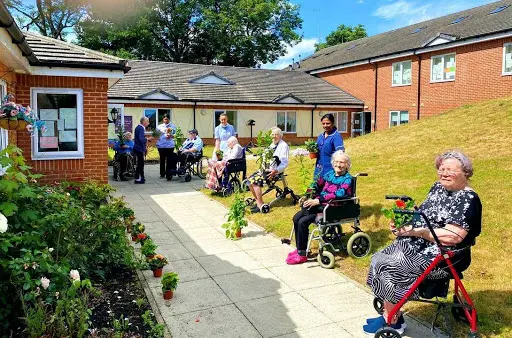
The management team makes themselves available to families, actually listening when concerns arise and working to find solutions. Staff show both professional skill and authentic warmth — they're quick to respond when residents need help, but it comes from genuine care rather than just duty. There's a structured activities programme that keeps people engaged, including music sessions that bring real enjoyment.
How it sits against good practice
Sometimes the right care home is the one where your loved one is seen — really seen — as the person they've always been.
Worth a visit
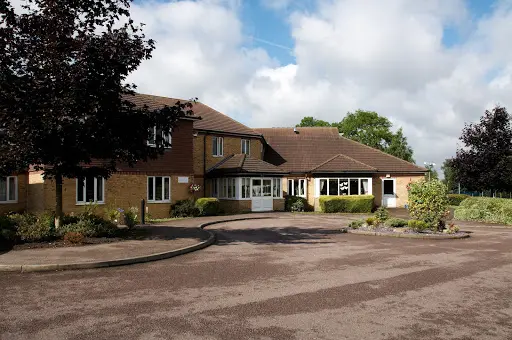
Autumn Vale Care Centre, on Danesbury Park Road in Welwyn, was rated Good across all five inspection domains at its last inspection in July 2019. That inspection also marked an improvement from a previous Requires Improvement rating, which matters: a home that has identified problems and addressed them is showing the kind of accountability that good care depends on. A monitoring review in July 2023 found no reason to change the rating. The main limitation here is that the published report is extremely thin on specific detail. There are no inspector observations, no resident or family quotes, and no descriptions of what day-to-day life looks like. Every domain score in this report reflects the official Good rating rather than a rich body of specific evidence. This means you will need to do more of your own investigation on a visit. The checklist below sets out exactly what to ask and observe. Pay particular attention to night staffing ratios, how the home supports residents living with dementia who cannot join group activities, and whether the manager is visible on the floor rather than office-bound.
The three questions to ask when you visitSave this home. Compare it against your shortlist.
Let our analysis show you how Autumn Vale Care Centre measures up against the other homes you’re considering. Free account.
In Their Own Words
How Autumn Vale Care Centre describes itself — collected from its own website. DCC has not edited or independently verified the content in this tab.
Where professional care meets genuine warmth in Welwyn
Compassionate Care in Welwyn at Autumn Vale Care Centre
When you walk through the doors at Autumn Vale Care Centre in Welwyn, something shifts. The worry you've been carrying starts to ease. This is a place where trained staff don't just provide care — they notice when someone needs a chat, remember how residents take their tea, and create moments of connection throughout the day.
Who they care for
Autumn Vale provides care for adults both under and over 65, with specific expertise in dementia support. They also have experience supporting people through stroke recovery.
For those living with dementia, the home creates an environment where confusion doesn't lead to distress. Activities are tailored to different abilities, helping residents stay engaged at their own level.
“Sometimes the right care home is the one where your loved one is seen — really seen — as the person they've always been.”
DCC does not edit or curate content in this tab. For independently curated information, see The Evidence and DCC Verdict.
The DCC Verdict
Our editorial view, built from the three lenses: what families tell us, what inspectors record, and how the home sits against good dementia-care practice.
DCC Family Score
Autumn Vale Care Centre scored Good across all five inspection domains in July 2019, an improvement from a previous Requires Improvement rating, which is a meaningful positive signal. However, the published report contains very little specific detail, so scores reflect confirmed ratings rather than rich observed evidence.
Homes in East typically score 68–82.The three-lens summary
What families tell us
Families describe an instant sense of comfort when they arrive. The atmosphere feels calm and welcoming, with residents engaged in activities rather than sitting alone. People talk about their relatives being treated as individuals, with staff encouraging independence while providing support exactly when it's needed.
What inspectors have recorded
The management team makes themselves available to families, actually listening when concerns arise and working to find solutions. Staff show both professional skill and authentic warmth — they're quick to respond when residents need help, but it comes from genuine care rather than just duty. There's a structured activities programme that keeps people engaged, including music sessions that bring real enjoyment.
How it sits against good practice
Sometimes the right care home is the one where your loved one is seen — really seen — as the person they've always been.
Worth a visit
Autumn Vale Care Centre, on Danesbury Park Road in Welwyn, was rated Good across all five inspection domains at its last inspection in July 2019. That inspection also marked an improvement from a previous Requires Improvement rating, which matters: a home that has identified problems and addressed them is showing the kind of accountability that good care depends on. A monitoring review in July 2023 found no reason to change the rating. The main limitation here is that the published report is extremely thin on specific detail. There are no inspector observations, no resident or family quotes, and no descriptions of what day-to-day life looks like. Every domain score in this report reflects the official Good rating rather than a rich body of specific evidence. This means you will need to do more of your own investigation on a visit. The checklist below sets out exactly what to ask and observe. Pay particular attention to night staffing ratios, how the home supports residents living with dementia who cannot join group activities, and whether the manager is visible on the floor rather than office-bound.
The three questions to ask when you visitSave this home. Compare it against your shortlist.
Let our analysis show you how Autumn Vale Care Centre measures up against the other homes you’re considering. Free account.
In Their Own Words
How Autumn Vale Care Centre describes itself — collected from its own website. DCC has not edited or independently verified the content in this tab.
Where professional care meets genuine warmth in Welwyn
Compassionate Care in Welwyn at Autumn Vale Care Centre
When you walk through the doors at Autumn Vale Care Centre in Welwyn, something shifts. The worry you've been carrying starts to ease. This is a place where trained staff don't just provide care — they notice when someone needs a chat, remember how residents take their tea, and create moments of connection throughout the day.
Who they care for
Autumn Vale provides care for adults both under and over 65, with specific expertise in dementia support. They also have experience supporting people through stroke recovery.
For those living with dementia, the home creates an environment where confusion doesn't lead to distress. Activities are tailored to different abilities, helping residents stay engaged at their own level.
Management & ethos
The management team makes themselves available to families, actually listening when concerns arise and working to find solutions. Staff show both professional skill and authentic warmth — they're quick to respond when residents need help, but it comes from genuine care rather than just duty. There's a structured activities programme that keeps people engaged, including music sessions that bring real enjoyment.
The home & environment
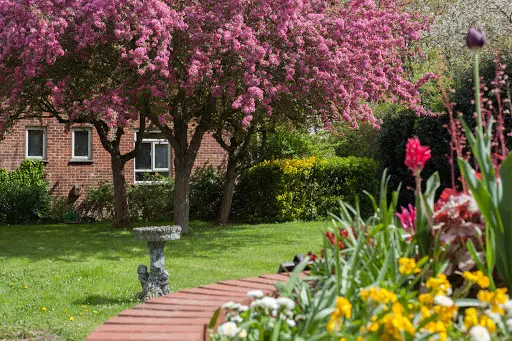
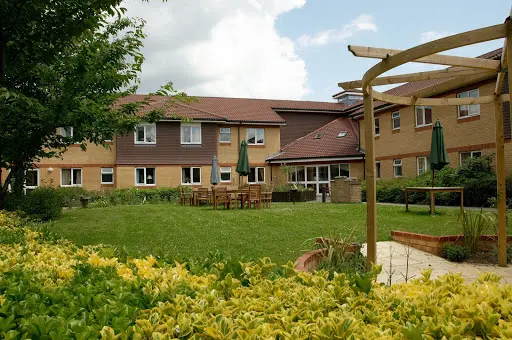
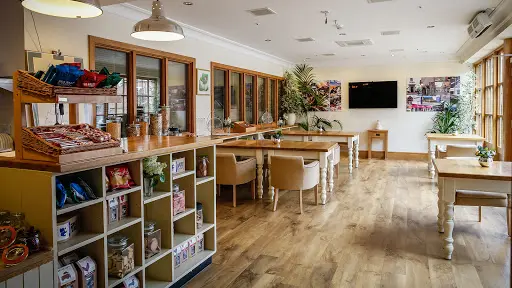
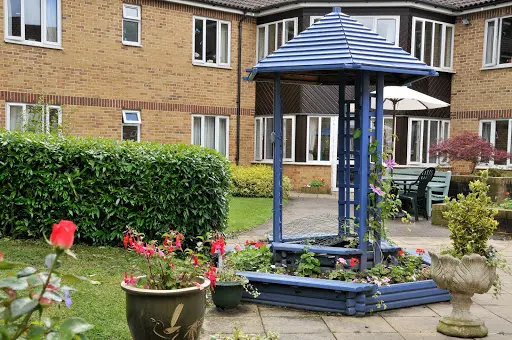
The home is consistently described as clean and well-maintained, with bright spaces that feel inviting rather than institutional. There's a pleasant garden where residents can spend time outdoors. The food looks and tastes nutritious, with meals that people actually want to eat.
“Sometimes the right care home is the one where your loved one is seen — really seen — as the person they've always been.”
DCC does not edit or curate content in this tab. For independently curated information, see The Evidence and DCC Verdict.