Ann Marie Howes Centre Birmingham

At a Glance
The information you need to decide whether this home warrants a closer look.
Residential homes
Staff warmth score
of reviewers answered yes
Good to know
- Registered beds32
- SpecialismsCaring for adults over 65 yrs, Caring for adults under 65 yrs, Dementia, Learning disabilities, Mental health conditions, Physical disabilities, Sensory impairment
- Last inspected2021-04-28
Save Ann Marie Howes Centre Birmingham to your shortlist
Keep a running list, add visit notes, and compare homes side-by-side. Free account — it takes a minute.
STAGE 4 — RESEARCHING CARE HOMES
Visit homes. Compare them side by side. Choose with confidence.
Most of us will view care homes the way we view houses, impression, atmosphere, the feeling in the corridor. We go home, try to remember what we saw, and make a permanent decision from a blurred memory.

The DCC shortlist gives every home you visit a structured record: the same twelve questions, answered the same way, every time. When you’re ready to choose, pull any two homes side by side and compare them directly. Same criteria, same evidence, your notes and your scores.
The Evidence
What the review data, the inspection reports, and the dementia-care evidence base tell us about this home.
What families say
Visitors often comment on the warm reception they receive, with staff taking time to acknowledge everyone who comes through the doors. The atmosphere feels calm and welcoming, and families appreciate how emotionally invested many staff members become in residents' lives. Some have noted staff showing genuine distress when residents move on, suggesting real bonds form here.
The eight family priority themes
- Staff warmth72
- Compassion & dignity72
- Cleanliness65
- Activities & engagement60
- Food quality55
- Healthcare45
- Management & leadership72
- Resident happiness65
What inspectors found
Inspected 2021-04-28
Is this home safe?
Is the care effective?
The Effective domain was rated Requires Improvement at the March 2021 inspection. This is the only domain below Good and covers training, care planning, healthcare access, nutrition, and how well the home understands and responds to each person's individual needs. No specific detail about what inspectors found is available in the published summary. The home supports people with a wide range of complex needs, including dementia and learning disabilities, making effective practice in this domain especially critical. A review of the service's information was carried out in July 2023, and no evidence was found requiring a reassessment of the rating at that point.Is this home caring?
The Caring domain was rated Good at the March 2021 inspection. This domain covers staff warmth, dignity, respect, and support for independence. A Good rating indicates inspectors were satisfied with how staff treated residents at the time of the visit. No specific inspector observations, staff behaviours, or resident and family quotes are available in the published summary. The home supports people with a wide range of needs, including those with dementia, where non-verbal communication and unhurried interactions are particularly important.Is the home responsive?
The Responsive domain was rated Good at the March 2021 inspection. This domain covers activities, engagement, individualised care, complaints handling, and end-of-life support. A Good rating suggests inspectors were broadly satisfied with how the home responded to residents as individuals. No specific detail about the activities programme, complaint responses, or end-of-life planning is available in the published summary. The home's wide range of specialisms means residents have very different levels of ability and engagement, which makes tailored, individual responsiveness especially important.Is the home well-led?
The Well-Led domain was rated Good at the March 2021 inspection. The home is run by Birmingham City Council, with a named registered manager (Mr Delroy Bonnitto) and a nominated individual (Mrs Shazia Hanif). A Good rating in this domain suggests inspectors found governance systems, accountability, and a positive culture to be broadly in order. No specific observations about management visibility, staff support structures, or incident learning are available in the published summary. The inspection was carried out in 2021, so leadership continuity since then is not confirmed.
Source: CQC inspection report →
What the evidence base says
The centre supports adults with a wide range of needs including dementia, learning disabilities, mental health conditions, physical disabilities and sensory impairments. They welcome both younger adults under 65 and older residents, adapting their approach to each person's specific requirements. For residents with dementia, the centre provides specialist care within a structured, familiar environment. Staff work to understand each person's individual needs and preferences, creating routines that help residents feel secure and supported. All areas worth probing directly during a visit.
The DCC Verdict
Our editorial view, built from the three lenses: what families tell us, what inspectors record, and how the home sits against good dementia-care practice.
DCC Family Score
Ann Marie Howes Centre scores 68 out of 100. The home improved from Requires Improvement to Good overall, which is a meaningful step forward, but the Effective domain remains rated Requires Improvement, meaning there are ongoing concerns about training, care plans, and healthcare that families should investigate directly.
Homes in West Midlands typically score 68–82.The three-lens summary
What families tell us
Visitors often comment on the warm reception they receive, with staff taking time to acknowledge everyone who comes through the doors. The atmosphere feels calm and welcoming, and families appreciate how emotionally invested many staff members become in residents' lives. Some have noted staff showing genuine distress when residents move on, suggesting real bonds form here.
What inspectors have recorded
How it sits against good practice
If you're exploring options for someone with complex care needs, visiting the Ann Marie Howes Centre could help you understand whether their approach feels right for your family.
Worth a visit
Ann Marie Howes Centre, on Platt Brook Way in Birmingham, was rated Good overall at its last inspection in March 2021 and published in April 2021. This was an improvement from its previous rating of Requires Improvement, which is an encouraging direction of travel. The home is run by Birmingham City Council and supports up to 32 people across a wide range of needs, including dementia, learning disabilities, mental health conditions, and physical disabilities. The Well-Led, Safe, Caring, and Responsive domains were all rated Good. The important caveat for your decision is that the Effective domain was rated Requires Improvement at that inspection. This is the domain that covers training, care plans, healthcare access, and how well the home understands and meets each person's individual needs. It is now several years since that inspection, so things may have improved, but you cannot assume that without asking. On your visit, ask the manager what has changed in the Effective domain since 2021, request to see evidence of dementia training records, and ask how often care plans are reviewed and whether families are involved in those reviews.
The three questions to ask when you visitSave this home. Compare it against your shortlist.
Let our analysis show you how Ann Marie Howes Centre Birmingham measures up against the other homes you’re considering. Free account.
In Their Own Words
How Ann Marie Howes Centre Birmingham describes itself — collected from its own website. DCC has not edited or independently verified the content in this tab.
Specialist support for complex needs in a welcoming Birmingham setting
Ann Marie Howes Centre – Expert Care in Birmingham
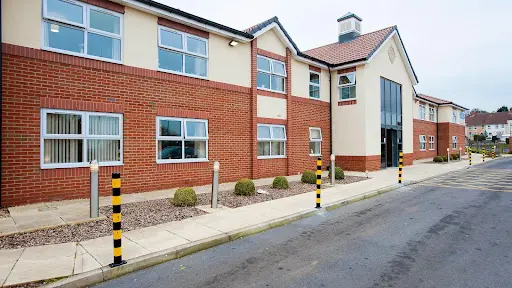
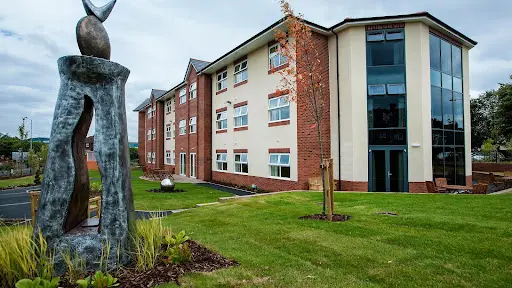
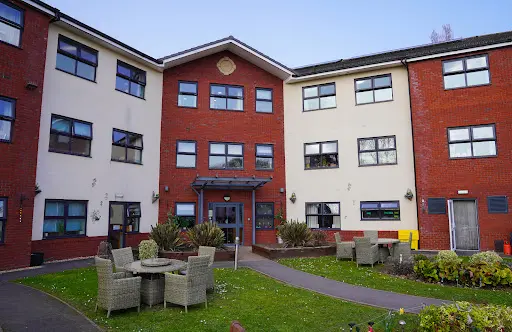
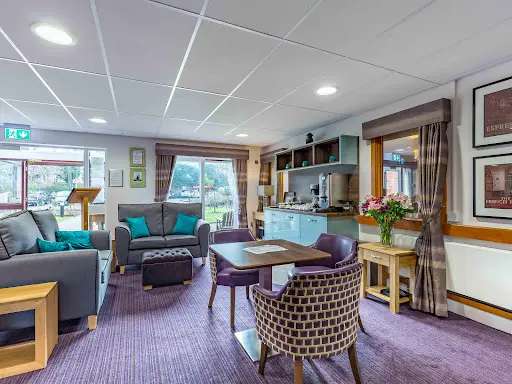
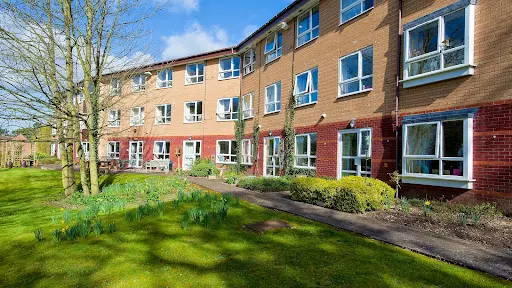
When someone you love needs specialist care for dementia, learning disabilities or mental health conditions, finding the right environment matters deeply. The Ann Marie Howes Centre in Birmingham provides residential support for adults with complex needs, including those under 65. Set in accessible surroundings with clear signage throughout, the centre focuses on creating a calm, comfortable atmosphere for residents with varying support requirements.
Who they care for
The centre supports adults with a wide range of needs including dementia, learning disabilities, mental health conditions, physical disabilities and sensory impairments. They welcome both younger adults under 65 and older residents, adapting their approach to each person's specific requirements.
For residents with dementia, the centre provides specialist care within a structured, familiar environment. Staff work to understand each person's individual needs and preferences, creating routines that help residents feel secure and supported.
“If you're exploring options for someone with complex care needs, visiting the Ann Marie Howes Centre could help you understand whether their approach feels right for your family.”
DCC does not edit or curate content in this tab. For independently curated information, see The Evidence and DCC Verdict.
The DCC Verdict
Our editorial view, built from the three lenses: what families tell us, what inspectors record, and how the home sits against good dementia-care practice.
DCC Family Score
Ann Marie Howes Centre scores 68 out of 100. The home improved from Requires Improvement to Good overall, which is a meaningful step forward, but the Effective domain remains rated Requires Improvement, meaning there are ongoing concerns about training, care plans, and healthcare that families should investigate directly.
Homes in West Midlands typically score 68–82.The three-lens summary
What families tell us
Visitors often comment on the warm reception they receive, with staff taking time to acknowledge everyone who comes through the doors. The atmosphere feels calm and welcoming, and families appreciate how emotionally invested many staff members become in residents' lives. Some have noted staff showing genuine distress when residents move on, suggesting real bonds form here.
What inspectors have recorded
How it sits against good practice
If you're exploring options for someone with complex care needs, visiting the Ann Marie Howes Centre could help you understand whether their approach feels right for your family.
Worth a visit
Ann Marie Howes Centre, on Platt Brook Way in Birmingham, was rated Good overall at its last inspection in March 2021 and published in April 2021. This was an improvement from its previous rating of Requires Improvement, which is an encouraging direction of travel. The home is run by Birmingham City Council and supports up to 32 people across a wide range of needs, including dementia, learning disabilities, mental health conditions, and physical disabilities. The Well-Led, Safe, Caring, and Responsive domains were all rated Good. The important caveat for your decision is that the Effective domain was rated Requires Improvement at that inspection. This is the domain that covers training, care plans, healthcare access, and how well the home understands and meets each person's individual needs. It is now several years since that inspection, so things may have improved, but you cannot assume that without asking. On your visit, ask the manager what has changed in the Effective domain since 2021, request to see evidence of dementia training records, and ask how often care plans are reviewed and whether families are involved in those reviews.
The three questions to ask when you visitSave this home. Compare it against your shortlist.
Let our analysis show you how Ann Marie Howes Centre Birmingham measures up against the other homes you’re considering. Free account.
In Their Own Words
How Ann Marie Howes Centre Birmingham describes itself — collected from its own website. DCC has not edited or independently verified the content in this tab.
Specialist support for complex needs in a welcoming Birmingham setting
Ann Marie Howes Centre – Expert Care in Birmingham
When someone you love needs specialist care for dementia, learning disabilities or mental health conditions, finding the right environment matters deeply. The Ann Marie Howes Centre in Birmingham provides residential support for adults with complex needs, including those under 65. Set in accessible surroundings with clear signage throughout, the centre focuses on creating a calm, comfortable atmosphere for residents with varying support requirements.
Who they care for
The centre supports adults with a wide range of needs including dementia, learning disabilities, mental health conditions, physical disabilities and sensory impairments. They welcome both younger adults under 65 and older residents, adapting their approach to each person's specific requirements.
For residents with dementia, the centre provides specialist care within a structured, familiar environment. Staff work to understand each person's individual needs and preferences, creating routines that help residents feel secure and supported.
The home & environment
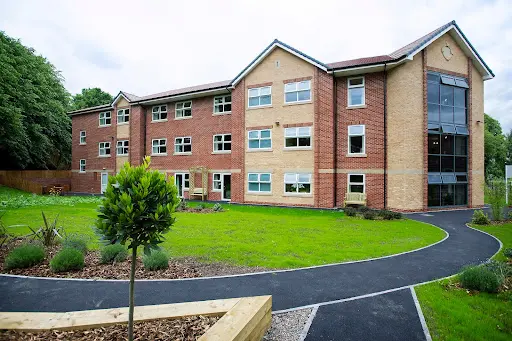
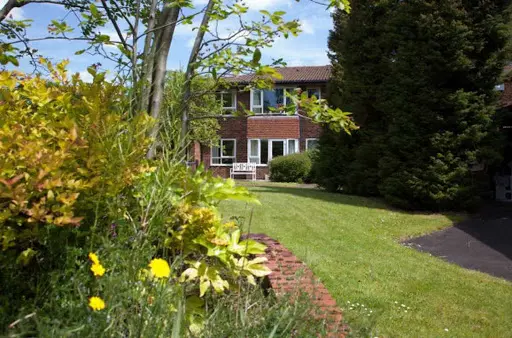
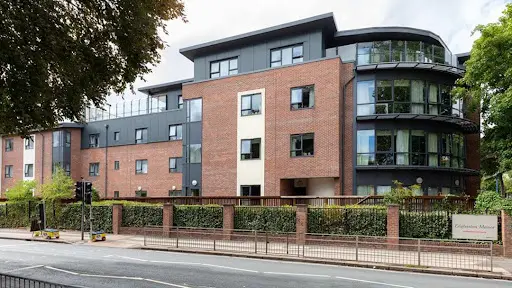
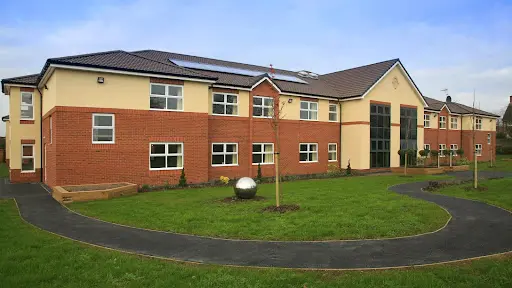
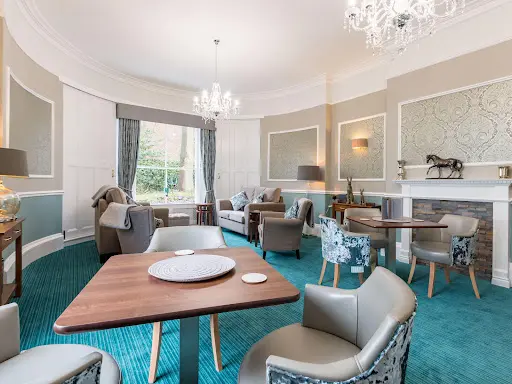
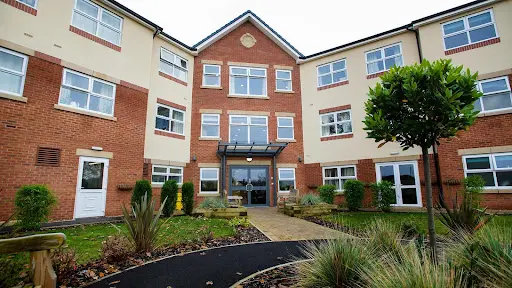
The centre maintains high cleanliness standards, with spotless rooms and well-kept communal areas. The café serves quality meals at reasonable prices, which both residents and visitors enjoy. The building itself is designed with accessibility in mind, making it easier for people with physical disabilities to navigate independently.
“If you're exploring options for someone with complex care needs, visiting the Ann Marie Howes Centre could help you understand whether their approach feels right for your family.”
DCC does not edit or curate content in this tab. For independently curated information, see The Evidence and DCC Verdict.