Barchester – Oxford Beaumont Care Community
At a Glance
The information you need to decide whether this home warrants a closer look.
Nursing homes
Staff warmth score
of reviewers answered yes
Good to know
- Registered beds49
- SpecialismsCaring for adults over 65 yrs, Caring for adults under 65 yrs, Dementia
- Last inspected2018-01-16
Save Barchester – Oxford Beaumont Care Community to your shortlist
Keep a running list, add visit notes, and compare homes side-by-side. Free account — it takes a minute.
STAGE 4 — RESEARCHING CARE HOMES
Visit homes. Compare them side by side. Choose with confidence.
Most of us will view care homes the way we view houses, impression, atmosphere, the feeling in the corridor. We go home, try to remember what we saw, and make a permanent decision from a blurred memory.

The DCC shortlist gives every home you visit a structured record: the same twelve questions, answered the same way, every time. When you’re ready to choose, pull any two homes side by side and compare them directly. Same criteria, same evidence, your notes and your scores.
The Evidence
What the review data, the inspection reports, and the dementia-care evidence base tell us about this home.
What families say
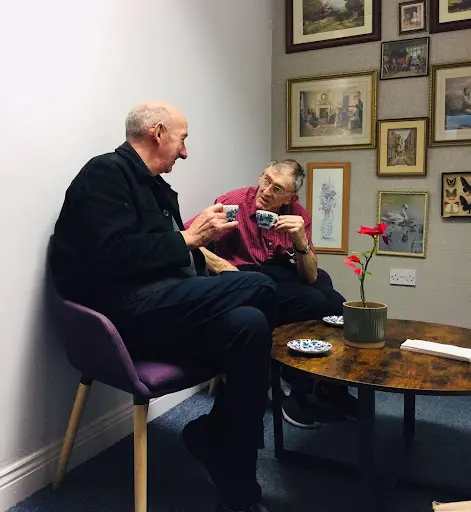
Visitors often comment on the welcoming atmosphere that greets them at the door. People talk about how their loved ones are treated as individuals, not just residents, with staff taking time to understand each person's preferences and personality. The environment feels more like a comfortable hotel than an institution, with plenty going on but never feeling chaotic.
The eight family priority themes
- Staff warmth72
- Compassion & dignity72
- Cleanliness70
- Activities & engagement65
- Food quality65
- Healthcare70
- Management & leadership72
- Resident happiness68
What inspectors found
Inspected 2018-01-16
Is this home safe?
Is the care effective?
The Effective domain was rated Good at the last full inspection. This domain covers care planning, dementia training, healthcare access, nutrition, and how well staff understand each resident's needs. No specific findings about care plan content, GP access, medication reviews, or dementia training are recorded in the published text. The rating was confirmed as unchanged in the July 2023 review.Is this home caring?
The Caring domain was rated Good at the last full inspection. This is the domain most closely related to staff warmth, dignity, respect, and how staff talk to and treat residents day to day. No specific observations, resident quotes, or family feedback are recorded in the published inspection text. The rating was confirmed in the July 2023 review.Is the home responsive?
The Responsive domain was rated Good at the last full inspection. This domain covers activities, individual engagement, how the home responds to complaints, and end-of-life care planning. No specific findings about the activity programme, individual engagement for people with advanced dementia, or complaints handling are recorded in the published text. The July 2023 review confirmed no change to the rating.Is the home well-led?
The Well-led domain was rated Good at the last full inspection. A named registered manager, Miss Paulina Pronczyk, and a nominated individual, Mr Dominic Jude Kay, are recorded on the registration. This domain covers leadership culture, governance, staff empowerment, and how the home uses feedback and incidents to improve. No specific findings about management visibility, staff culture, or governance processes are recorded in the published text.
Source: CQC inspection report →
What the evidence base says
The home cares for adults over 65 and younger adults who need support, with particular expertise in dementia care. People living with dementia receive care that preserves their dignity and individuality. The team understands how to support residents through different stages of dementia, with structured activities and gentle encouragement that helps maintain skills and confidence. All areas worth probing directly during a visit.
The DCC Verdict
Our editorial view, built from the three lenses: what families tell us, what inspectors record, and how the home sits against good dementia-care practice.
DCC Family Score
Oxford Beaumont holds a Good rating across all five inspection domains, which is a positive baseline, but the inspection text available is extremely limited and does not contain specific observations, quotes, or detailed findings that would allow a higher score. The rating reflects official confidence in the home, but families should probe the areas below directly on a visit.
Homes in South East typically score 68–82.The three-lens summary
What families tell us
Visitors often comment on the welcoming atmosphere that greets them at the door. People talk about how their loved ones are treated as individuals, not just residents, with staff taking time to understand each person's preferences and personality. The environment feels more like a comfortable hotel than an institution, with plenty going on but never feeling chaotic.
What inspectors have recorded
The nursing team here takes a proactive approach to health issues, catching problems early and keeping families informed. Staff seem genuinely happy in their work, which shows in how they interact with residents. Communication flows easily between the team and families, with flexible visiting that makes relatives feel part of daily life rather than scheduled guests.
How it sits against good practice
For families facing difficult decisions about dementia care, Oxford Beaumont offers the reassurance of skilled nursing combined with genuine warmth.
Worth a visit
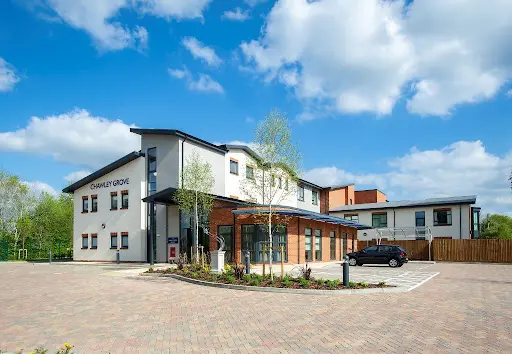
Oxford Beaumont, on Bayworth Lane in Oxford, was rated Good across all five inspection domains at its last full inspection in January 2018, with that rating confirmed as still current following a desk-based review in July 2023. The home is run by Barchester Healthcare Homes Limited, has 49 beds, and lists dementia as a specialism alongside nursing care for adults over and under 65. A named registered manager and nominated individual are recorded, which indicates a defined leadership structure. The main limitation here is the amount of published detail. The inspection report available contains almost no specific observations, resident or family quotes, or concrete findings, which makes it impossible to verify what daily life actually looks like for your parent. The Good rating is genuinely meaningful, but it is now more than six years old. When you visit, ask to see the current staffing rota for both day and night shifts, find out what dementia training staff have completed recently, and spend time in communal areas at mealtimes to observe how staff interact with residents in practice.
The three questions to ask when you visitSave this home. Compare it against your shortlist.
Let our analysis show you how Barchester – Oxford Beaumont Care Community measures up against the other homes you’re considering. Free account.
In Their Own Words
How Barchester – Oxford Beaumont Care Community describes itself — collected from its own website. DCC has not edited or independently verified the content in this tab.
Where respect and warmth meet skilled dementia support
Nursing home in Oxford: True Peace of Mind
Oxford Beaumont in Oxford offers something that families often struggle to find — genuine dignity in dementia care. When residents arrive here, they discover a calm environment where professional nursing meets the kind of warmth you'd hope for. The home welcomes people over 65 and younger adults who need support, creating a community where everyone matters.
Who they care for
The home cares for adults over 65 and younger adults who need support, with particular expertise in dementia care.
People living with dementia receive care that preserves their dignity and individuality. The team understands how to support residents through different stages of dementia, with structured activities and gentle encouragement that helps maintain skills and confidence.
“For families facing difficult decisions about dementia care, Oxford Beaumont offers the reassurance of skilled nursing combined with genuine warmth.”
DCC does not edit or curate content in this tab. For independently curated information, see The Evidence and DCC Verdict.
The DCC Verdict
Our editorial view, built from the three lenses: what families tell us, what inspectors record, and how the home sits against good dementia-care practice.
DCC Family Score
Oxford Beaumont holds a Good rating across all five inspection domains, which is a positive baseline, but the inspection text available is extremely limited and does not contain specific observations, quotes, or detailed findings that would allow a higher score. The rating reflects official confidence in the home, but families should probe the areas below directly on a visit.
Homes in South East typically score 68–82.The three-lens summary
What families tell us
Visitors often comment on the welcoming atmosphere that greets them at the door. People talk about how their loved ones are treated as individuals, not just residents, with staff taking time to understand each person's preferences and personality. The environment feels more like a comfortable hotel than an institution, with plenty going on but never feeling chaotic.
What inspectors have recorded
The nursing team here takes a proactive approach to health issues, catching problems early and keeping families informed. Staff seem genuinely happy in their work, which shows in how they interact with residents. Communication flows easily between the team and families, with flexible visiting that makes relatives feel part of daily life rather than scheduled guests.
How it sits against good practice
For families facing difficult decisions about dementia care, Oxford Beaumont offers the reassurance of skilled nursing combined with genuine warmth.
Worth a visit
Oxford Beaumont, on Bayworth Lane in Oxford, was rated Good across all five inspection domains at its last full inspection in January 2018, with that rating confirmed as still current following a desk-based review in July 2023. The home is run by Barchester Healthcare Homes Limited, has 49 beds, and lists dementia as a specialism alongside nursing care for adults over and under 65. A named registered manager and nominated individual are recorded, which indicates a defined leadership structure. The main limitation here is the amount of published detail. The inspection report available contains almost no specific observations, resident or family quotes, or concrete findings, which makes it impossible to verify what daily life actually looks like for your parent. The Good rating is genuinely meaningful, but it is now more than six years old. When you visit, ask to see the current staffing rota for both day and night shifts, find out what dementia training staff have completed recently, and spend time in communal areas at mealtimes to observe how staff interact with residents in practice.
The three questions to ask when you visitSave this home. Compare it against your shortlist.
Let our analysis show you how Barchester – Oxford Beaumont Care Community measures up against the other homes you’re considering. Free account.
In Their Own Words
How Barchester – Oxford Beaumont Care Community describes itself — collected from its own website. DCC has not edited or independently verified the content in this tab.
Where respect and warmth meet skilled dementia support
Nursing home in Oxford: True Peace of Mind
Oxford Beaumont in Oxford offers something that families often struggle to find — genuine dignity in dementia care. When residents arrive here, they discover a calm environment where professional nursing meets the kind of warmth you'd hope for. The home welcomes people over 65 and younger adults who need support, creating a community where everyone matters.
Who they care for
The home cares for adults over 65 and younger adults who need support, with particular expertise in dementia care.
People living with dementia receive care that preserves their dignity and individuality. The team understands how to support residents through different stages of dementia, with structured activities and gentle encouragement that helps maintain skills and confidence.
Management & ethos
The nursing team here takes a proactive approach to health issues, catching problems early and keeping families informed. Staff seem genuinely happy in their work, which shows in how they interact with residents. Communication flows easily between the team and families, with flexible visiting that makes relatives feel part of daily life rather than scheduled guests.
The home & environment
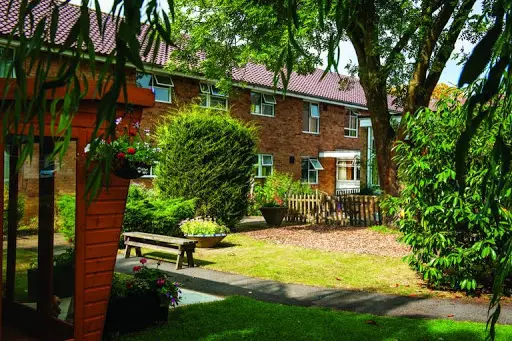
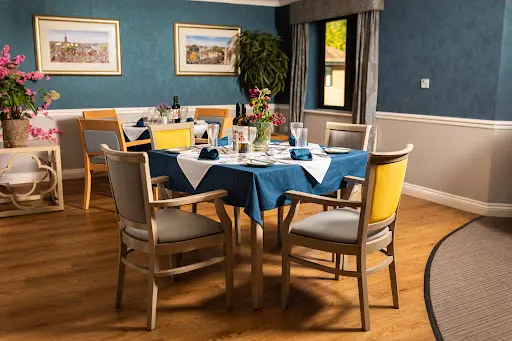
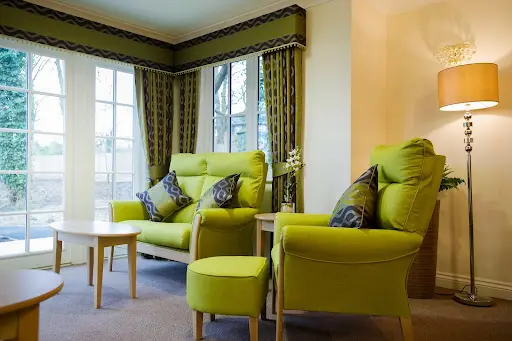
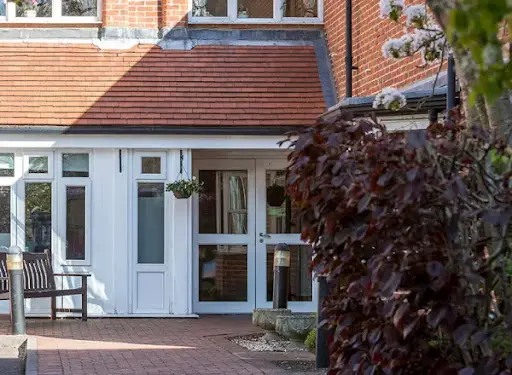
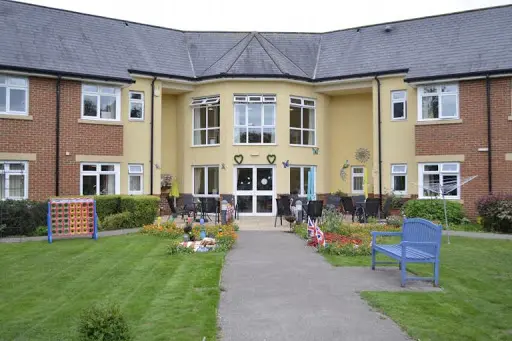
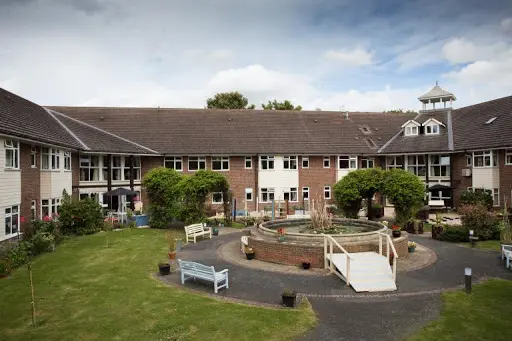
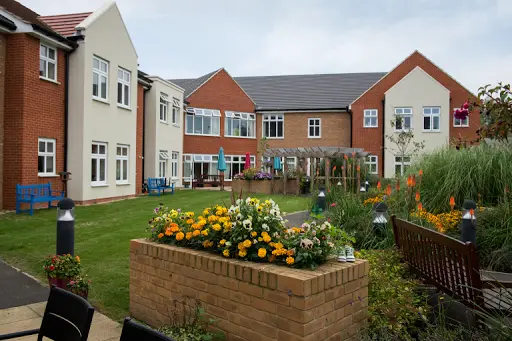
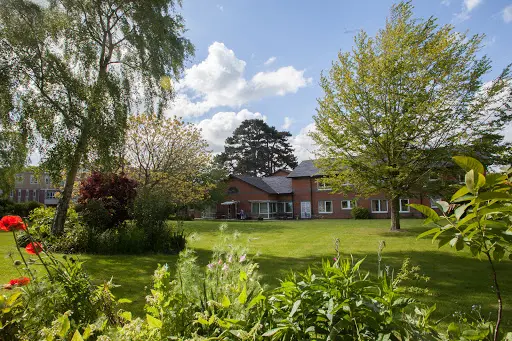
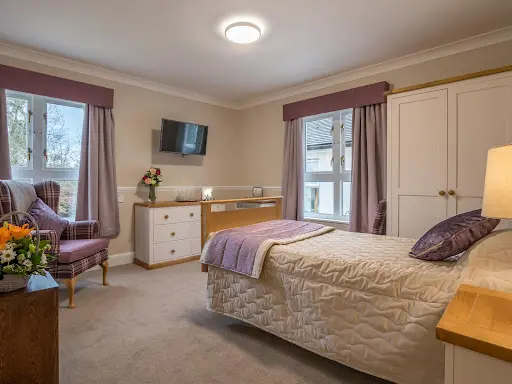
The kitchen produces proper home-cooked meals that families say their relatives actually enjoy eating. Gardens get plenty of use, with residents spending time outside when weather permits. The building itself is kept to a high standard — clean, well-decorated, and thoughtfully maintained throughout.
“For families facing difficult decisions about dementia care, Oxford Beaumont offers the reassurance of skilled nursing combined with genuine warmth.”
DCC does not edit or curate content in this tab. For independently curated information, see The Evidence and DCC Verdict.