Edgbaston Manor Care Home – Care UK
At a Glance
The information you need to decide whether this home warrants a closer look.
Nursing homes
Staff warmth score
of reviewers answered yes
Good to know
- Registered beds70
- SpecialismsCaring for adults over 65 yrs, Caring for adults under 65 yrs, Dementia, Physical disabilities
- Last inspected2019-12-18
Save Edgbaston Manor Care Home – Care UK to your shortlist
Keep a running list, add visit notes, and compare homes side-by-side. Free account — it takes a minute.
STAGE 4 — RESEARCHING CARE HOMES
Visit homes. Compare them side by side. Choose with confidence.
Most of us will view care homes the way we view houses, impression, atmosphere, the feeling in the corridor. We go home, try to remember what we saw, and make a permanent decision from a blurred memory.

The DCC shortlist gives every home you visit a structured record: the same twelve questions, answered the same way, every time. When you’re ready to choose, pull any two homes side by side and compare them directly. Same criteria, same evidence, your notes and your scores.
The Evidence
What the review data, the inspection reports, and the dementia-care evidence base tell us about this home.
What families say
Families talk about staff who remember the little things — how someone likes their tea, which chair they prefer, what makes them smile. There's a real sense that residents are seen as people with stories and preferences, not just care needs. The atmosphere feels relaxed rather than clinical, with staff taking time to properly engage even during busy periods.
The eight family priority themes
- Staff warmth72
- Compassion & dignity72
- Cleanliness65
- Activities & engagement60
- Food quality60
- Healthcare65
- Management & leadership42
- Resident happiness65
What inspectors found
Inspected 2019-12-18
Is this home safe?
Is the care effective?
The Effective domain was rated Good at the September 2019 inspection. This covers training, care planning, healthcare access, and nutrition. The published summary does not include specific detail about dementia training content, GP access arrangements, care plan review frequency, or food quality. The Good rating implies inspectors found these areas broadly satisfactory.Is this home caring?
The Caring domain was rated Good at the September 2019 inspection. This is the domain that most directly reflects how staff treat your parent day to day, covering warmth, dignity, respect, and support for independence. The published summary does not include specific inspector observations, resident testimony, or relative feedback. The Good rating indicates inspectors were broadly satisfied but no detail is available to go further than that.Is the home responsive?
The Responsive domain was rated Good at the September 2019 inspection. This covers activities, individual engagement, how the home responds to complaints, and end-of-life planning. The published summary does not include specific detail about the activities programme, one-to-one engagement, or how the home handles individual preferences. The Good rating indicates inspectors found these areas broadly satisfactory.Is the home well-led?
The Well-Led domain was rated Requires Improvement at the September 2019 inspection. This is the only domain below Good and it directly affects the sustainability of the care being delivered in the other four domains. The published summary does not detail the specific governance or leadership concerns that led to this rating. The home has a registered manager and a nominated individual on record. Whether the concerns identified in 2019 have since been resolved is not known from the available information.
Source: CQC inspection report →
What the evidence base says
Edgbaston Manor cares for adults both under and over 65, including those living with dementia and physical disabilities. The team has experience with post-stroke rehabilitation and supporting residents with complex health needs. For residents living with dementia, the focus seems to be on maintaining dignity and connection. Staff work to understand each person's history and preferences, adapting their approach to what works for each individual. All areas worth probing directly during a visit.
The DCC Verdict
Our editorial view, built from the three lenses: what families tell us, what inspectors record, and how the home sits against good dementia-care practice.
DCC Family Score
Edgbaston Manor scores a solid 68, reflecting four Good domain ratings from inspectors, pulled down by a Requires Improvement finding in Well-Led, which is a direct signal that governance and oversight need attention before you commit to placing your parent here.
Homes in West Midlands typically score 68–82.The three-lens summary
What families tell us
Families talk about staff who remember the little things — how someone likes their tea, which chair they prefer, what makes them smile. There's a real sense that residents are seen as people with stories and preferences, not just care needs. The atmosphere feels relaxed rather than clinical, with staff taking time to properly engage even during busy periods.
What inspectors have recorded
The staff here clearly care deeply — families describe nurses and carers who stay late to comfort residents, who actively work on rehabilitation goals, and who support families through difficult times. There's evidence of real dedication, though the home needs to ensure this emotional commitment is matched by robust clinical systems and proper documentation.
How it sits against good practice
If you're considering Edgbaston Manor, it's worth visiting to see if their approach to care matches what you're looking for.
Worth a visit
Edgbaston Manor, on Speedwell Road in Birmingham, was inspected in September 2019 and rated Good overall, with Good ratings in Safe, Effective, Caring, and Responsive. The home is registered for 70 beds and cares for adults over and under 65, including people living with dementia and those with physical disabilities. The four Good domain ratings indicate inspectors were broadly satisfied with how staff treated residents, how care was planned, and how the home kept people safe. That is a reasonable baseline for a home of this size and specialism. The significant caveat is the Requires Improvement rating in Well-Led, which covers management, governance, and the home's ability to identify and fix its own problems. This rating means something specific: inspectors were not satisfied that leadership was strong enough to sustain or improve the care being delivered. The published summary does not detail the specific concerns raised, so you need to ask the manager directly what went wrong, what has changed since December 2019, and whether a follow-up inspection has taken place. Given that this inspection is now over five years old, the current picture at the home may be very different in either direction. A visit, a conversation with the current registered manager, and a request for any more recent inspection or monitoring records are essential before making a decision.
The three questions to ask when you visitSave this home. Compare it against your shortlist.
Let our analysis show you how Edgbaston Manor Care Home – Care UK measures up against the other homes you’re considering. Free account.
In Their Own Words
How Edgbaston Manor Care Home – Care UK describes itself — collected from its own website. DCC has not edited or independently verified the content in this tab.
Where kindness meets clinical care in Birmingham's quieter moments
Edgbaston Manor – Expert Care in Birmingham
Walking into Edgbaston Manor in Birmingham, you'll notice something different — staff who genuinely stop to chat with residents, not just rushing between tasks. This West Midlands care home has built its reputation on treating people as individuals first, patients second. While families describe the warmth and dedication they've witnessed here, it's worth noting the home has faced some challenges with clinical monitoring that they'll need to address.
Who they care for
Edgbaston Manor cares for adults both under and over 65, including those living with dementia and physical disabilities. The team has experience with post-stroke rehabilitation and supporting residents with complex health needs.
For residents living with dementia, the focus seems to be on maintaining dignity and connection. Staff work to understand each person's history and preferences, adapting their approach to what works for each individual.
“If you're considering Edgbaston Manor, it's worth visiting to see if their approach to care matches what you're looking for.”
DCC does not edit or curate content in this tab. For independently curated information, see The Evidence and DCC Verdict.
The DCC Verdict
Our editorial view, built from the three lenses: what families tell us, what inspectors record, and how the home sits against good dementia-care practice.
DCC Family Score
Edgbaston Manor scores a solid 68, reflecting four Good domain ratings from inspectors, pulled down by a Requires Improvement finding in Well-Led, which is a direct signal that governance and oversight need attention before you commit to placing your parent here.
Homes in West Midlands typically score 68–82.The three-lens summary
What families tell us
Families talk about staff who remember the little things — how someone likes their tea, which chair they prefer, what makes them smile. There's a real sense that residents are seen as people with stories and preferences, not just care needs. The atmosphere feels relaxed rather than clinical, with staff taking time to properly engage even during busy periods.
What inspectors have recorded
The staff here clearly care deeply — families describe nurses and carers who stay late to comfort residents, who actively work on rehabilitation goals, and who support families through difficult times. There's evidence of real dedication, though the home needs to ensure this emotional commitment is matched by robust clinical systems and proper documentation.
How it sits against good practice
If you're considering Edgbaston Manor, it's worth visiting to see if their approach to care matches what you're looking for.
Worth a visit
Edgbaston Manor, on Speedwell Road in Birmingham, was inspected in September 2019 and rated Good overall, with Good ratings in Safe, Effective, Caring, and Responsive. The home is registered for 70 beds and cares for adults over and under 65, including people living with dementia and those with physical disabilities. The four Good domain ratings indicate inspectors were broadly satisfied with how staff treated residents, how care was planned, and how the home kept people safe. That is a reasonable baseline for a home of this size and specialism. The significant caveat is the Requires Improvement rating in Well-Led, which covers management, governance, and the home's ability to identify and fix its own problems. This rating means something specific: inspectors were not satisfied that leadership was strong enough to sustain or improve the care being delivered. The published summary does not detail the specific concerns raised, so you need to ask the manager directly what went wrong, what has changed since December 2019, and whether a follow-up inspection has taken place. Given that this inspection is now over five years old, the current picture at the home may be very different in either direction. A visit, a conversation with the current registered manager, and a request for any more recent inspection or monitoring records are essential before making a decision.
The three questions to ask when you visitSave this home. Compare it against your shortlist.
Let our analysis show you how Edgbaston Manor Care Home – Care UK measures up against the other homes you’re considering. Free account.
In Their Own Words
How Edgbaston Manor Care Home – Care UK describes itself — collected from its own website. DCC has not edited or independently verified the content in this tab.
Where kindness meets clinical care in Birmingham's quieter moments
Edgbaston Manor – Expert Care in Birmingham
Walking into Edgbaston Manor in Birmingham, you'll notice something different — staff who genuinely stop to chat with residents, not just rushing between tasks. This West Midlands care home has built its reputation on treating people as individuals first, patients second. While families describe the warmth and dedication they've witnessed here, it's worth noting the home has faced some challenges with clinical monitoring that they'll need to address.
Who they care for
Edgbaston Manor cares for adults both under and over 65, including those living with dementia and physical disabilities. The team has experience with post-stroke rehabilitation and supporting residents with complex health needs.
For residents living with dementia, the focus seems to be on maintaining dignity and connection. Staff work to understand each person's history and preferences, adapting their approach to what works for each individual.
Management & ethos
The staff here clearly care deeply — families describe nurses and carers who stay late to comfort residents, who actively work on rehabilitation goals, and who support families through difficult times. There's evidence of real dedication, though the home needs to ensure this emotional commitment is matched by robust clinical systems and proper documentation.
The home & environment
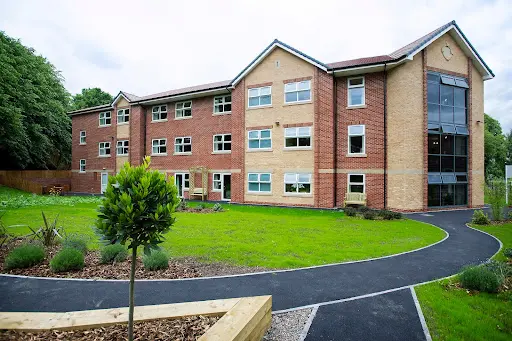
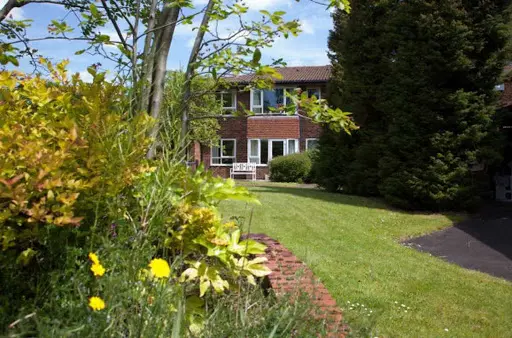
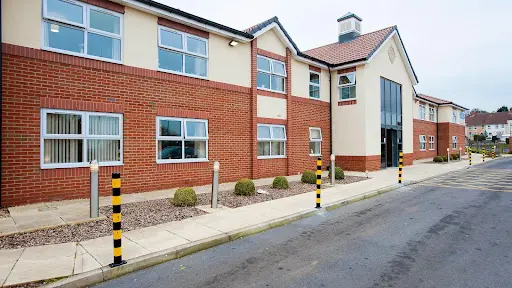
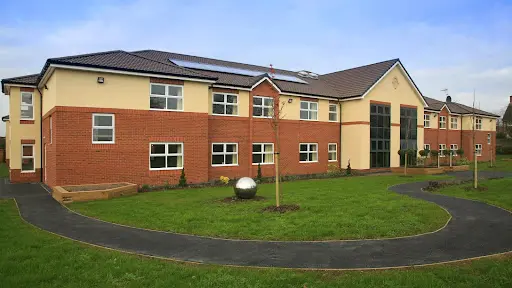
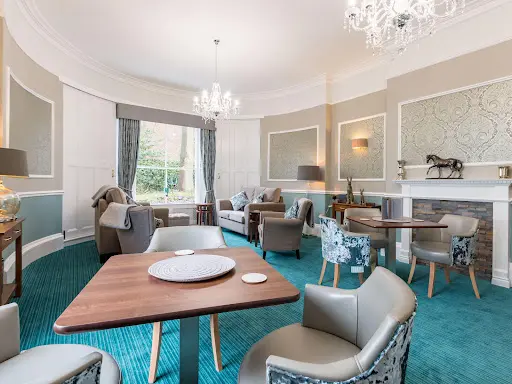
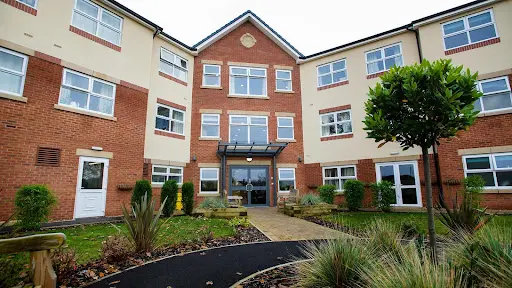
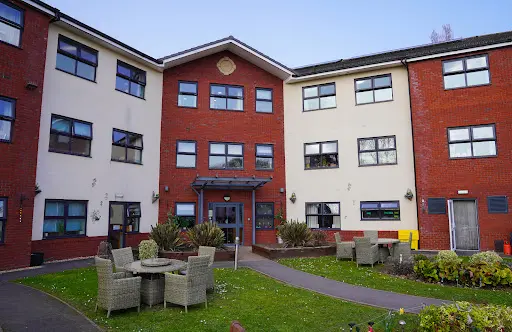
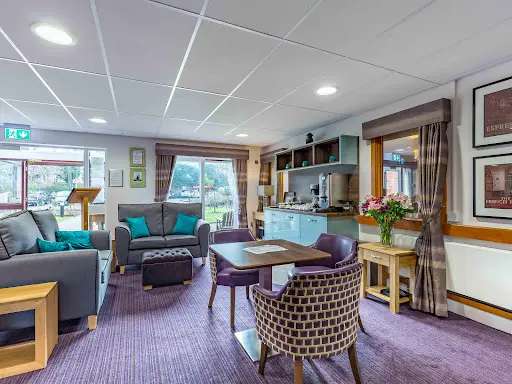
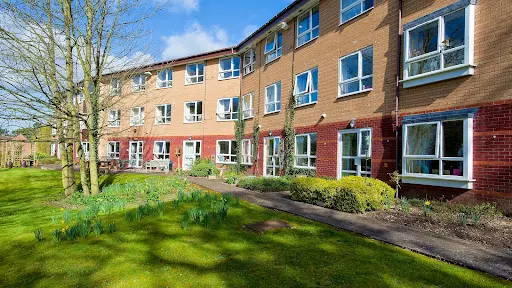
The home keeps things clean and pleasant without being showy. Reception areas and communal spaces are well-maintained, creating a comfortable environment for both residents and visitors. Families mention feeling welcomed into activities and daily life, rather than just visiting hours.
“If you're considering Edgbaston Manor, it's worth visiting to see if their approach to care matches what you're looking for.”
DCC does not edit or curate content in this tab. For independently curated information, see The Evidence and DCC Verdict.