Lincroft Meadow Care Home

At a Glance
The information you need to decide whether this home warrants a closer look.
Nursing homes
Staff warmth score
of reviewers answered yes
Good to know
- Registered beds70
- SpecialismsCaring for adults over 65 yrs, Caring for adults under 65 yrs, Dementia
- Last inspected2018-11-02
Save Lincroft Meadow Care Home to your shortlist
Keep a running list, add visit notes, and compare homes side-by-side. Free account — it takes a minute.
STAGE 4 — RESEARCHING CARE HOMES
Visit homes. Compare them side by side. Choose with confidence.
Most of us will view care homes the way we view houses, impression, atmosphere, the feeling in the corridor. We go home, try to remember what we saw, and make a permanent decision from a blurred memory.

The DCC shortlist gives every home you visit a structured record: the same twelve questions, answered the same way, every time. When you’re ready to choose, pull any two homes side by side and compare them directly. Same criteria, same evidence, your notes and your scores.
The Evidence
What the review data, the inspection reports, and the dementia-care evidence base tell us about this home.
What families say
Families often mention how staff here really tune into what each resident needs — whether that's maintaining medication routines, planning activities that actually get people involved, or just being there for a chat. There's a sense that residents are seen as individuals, not just room numbers. The activities programme seems particularly well-thought-out, with regular entertainment, games and social events that residents visibly enjoy.
The eight family priority themes
- Staff warmth72
- Compassion & dignity72
- Cleanliness70
- Activities & engagement65
- Food quality65
- Healthcare70
- Management & leadership72
- Resident happiness68
What inspectors found
Inspected 2018-11-02
Is this home safe?
Is the care effective?
The home was rated Good for effectiveness at its October 2025 inspection. It is registered to provide nursing care and specialises in dementia, which implies trained nursing and care staff are in place. The published report does not describe the content of care plans, dementia training programmes, GP access arrangements, or how the home monitors and responds to changes in health. A Good rating indicates inspectors were satisfied, but the basis for that satisfaction is not detailed in the published summary.Is this home caring?
The home was rated Good for caring at its October 2025 inspection. The published report does not include inspector observations of staff interactions, descriptions of how dignity is maintained, or quotes from residents or relatives about how they are treated. A Good rating in the caring domain indicates inspectors found no significant concerns about warmth, respect, or dignity, but the specific evidence behind that rating is not visible in the published summary.Is the home responsive?
The home was rated Good for responsiveness at its October 2025 inspection. The home is registered for dementia care and nursing care across a broad age range, which requires a flexible, individually tailored approach to activities and daily life. The published report does not describe the activities programme, how the home supports people who cannot join group sessions, or how individual preferences are identified and acted on. A Good rating indicates inspectors found the home to be adequately responsive to individual needs.Is the home well-led?
The home was rated Good for leadership at its October 2025 inspection. A registered manager, Mrs Elaine Ruth Ratcliffe, is named in post, and a nominated individual, Mrs Lisa Sharon Soper, is also recorded. The home is operated by Porthaven Care Homes No 2 Limited. The published report does not describe how long the registered manager has been in post, how visible she is to staff and residents, what governance systems are in place, or how the home handles complaints and learning from incidents.
Source: CQC inspection report →
What the evidence base says
The home cares for adults both under and over 65, with particular expertise in dementia care. For residents with more complex dementia needs, the team shows real understanding of how to manage medication routines and provide therapeutic outings that make a difference. They've demonstrated they can support people through advanced stages of dementia with patience and skill. All areas worth probing directly during a visit.
The DCC Verdict
Our editorial view, built from the three lenses: what families tell us, what inspectors record, and how the home sits against good dementia-care practice.
DCC Family Score
Lincroft Meadow Care Home received a Good rating across all five domains at its October 2025 inspection, which is a solid result, but the published report contains very limited specific detail, so scores reflect a confirmed Good rating rather than strong observed evidence.
Homes in South East typically score 68–82.The three-lens summary
What families tell us
Families often mention how staff here really tune into what each resident needs — whether that's maintaining medication routines, planning activities that actually get people involved, or just being there for a chat. There's a sense that residents are seen as individuals, not just room numbers. The activities programme seems particularly well-thought-out, with regular entertainment, games and social events that residents visibly enjoy.
What inspectors have recorded
What comes through strongly is how responsive the team is — they're quick to greet visitors, accompany residents on outings, and keep on top of the daily routines that matter. Staff seem to understand that good care means involving families too, keeping them in the loop and making sure visits feel relaxed. There's real attention to creating a family-centred approach that considers everyone's needs.
How it sits against good practice
If you're looking for dementia care in Kidlington, it might be worth popping in to see how things feel for yourself.
Worth a visit
Lincroft Meadow Care Home, on The Moors in Kidlington, was rated Good across all five inspection domains at its most recent inspection in October 2025, with the report published in December 2025. The home is a 70-bed nursing home run by Porthaven Care Homes No 2 Limited, with a named registered manager in post. It is registered to care for people with dementia, for adults of all ages, and for those who require nursing care. A Good rating across every domain is a genuine positive result and means inspectors found no significant concerns in safety, care quality, responsiveness, leadership, or effectiveness. The main limitation here is that the published report contains very little specific detail beyond the rating itself. There are no direct observations, resident or family quotes, or descriptions of what inspectors actually saw. That means this report cannot tell you whether staff use your parent's preferred name, what mealtimes feel like, or how the dementia unit is staffed at night. All of those things matter enormously, and you will need to find the answers yourself on a visit. The checklist below sets out exactly what to ask and observe.
The three questions to ask when you visitSave this home. Compare it against your shortlist.
Let our analysis show you how Lincroft Meadow Care Home measures up against the other homes you’re considering. Free account.
In Their Own Words
How Lincroft Meadow Care Home describes itself — collected from its own website. DCC has not edited or independently verified the content in this tab.
Where dementia care meets genuine warmth and real activities
Lincroft Meadow Care Home – Your Trusted nursing home
Finding the right dementia care can feel overwhelming, but Lincroft Meadow Care Home in Kidlington brings something different to the table. This modern care home has built a reputation for keeping residents genuinely engaged through thoughtful activities and attentive staff. With its gardens, café spaces and focus on individual needs, it's become a place where families feel welcomed into the care journey.
Who they care for
The home cares for adults both under and over 65, with particular expertise in dementia care.
For residents with more complex dementia needs, the team shows real understanding of how to manage medication routines and provide therapeutic outings that make a difference. They've demonstrated they can support people through advanced stages of dementia with patience and skill.
“If you're looking for dementia care in Kidlington, it might be worth popping in to see how things feel for yourself.”
DCC does not edit or curate content in this tab. For independently curated information, see The Evidence and DCC Verdict.
The DCC Verdict
Our editorial view, built from the three lenses: what families tell us, what inspectors record, and how the home sits against good dementia-care practice.
DCC Family Score
Lincroft Meadow Care Home received a Good rating across all five domains at its October 2025 inspection, which is a solid result, but the published report contains very limited specific detail, so scores reflect a confirmed Good rating rather than strong observed evidence.
Homes in South East typically score 68–82.The three-lens summary
What families tell us
Families often mention how staff here really tune into what each resident needs — whether that's maintaining medication routines, planning activities that actually get people involved, or just being there for a chat. There's a sense that residents are seen as individuals, not just room numbers. The activities programme seems particularly well-thought-out, with regular entertainment, games and social events that residents visibly enjoy.
What inspectors have recorded
What comes through strongly is how responsive the team is — they're quick to greet visitors, accompany residents on outings, and keep on top of the daily routines that matter. Staff seem to understand that good care means involving families too, keeping them in the loop and making sure visits feel relaxed. There's real attention to creating a family-centred approach that considers everyone's needs.
How it sits against good practice
If you're looking for dementia care in Kidlington, it might be worth popping in to see how things feel for yourself.
Worth a visit
Lincroft Meadow Care Home, on The Moors in Kidlington, was rated Good across all five inspection domains at its most recent inspection in October 2025, with the report published in December 2025. The home is a 70-bed nursing home run by Porthaven Care Homes No 2 Limited, with a named registered manager in post. It is registered to care for people with dementia, for adults of all ages, and for those who require nursing care. A Good rating across every domain is a genuine positive result and means inspectors found no significant concerns in safety, care quality, responsiveness, leadership, or effectiveness. The main limitation here is that the published report contains very little specific detail beyond the rating itself. There are no direct observations, resident or family quotes, or descriptions of what inspectors actually saw. That means this report cannot tell you whether staff use your parent's preferred name, what mealtimes feel like, or how the dementia unit is staffed at night. All of those things matter enormously, and you will need to find the answers yourself on a visit. The checklist below sets out exactly what to ask and observe.
The three questions to ask when you visitSave this home. Compare it against your shortlist.
Let our analysis show you how Lincroft Meadow Care Home measures up against the other homes you’re considering. Free account.
In Their Own Words
How Lincroft Meadow Care Home describes itself — collected from its own website. DCC has not edited or independently verified the content in this tab.
Where dementia care meets genuine warmth and real activities
Lincroft Meadow Care Home – Your Trusted nursing home
Finding the right dementia care can feel overwhelming, but Lincroft Meadow Care Home in Kidlington brings something different to the table. This modern care home has built a reputation for keeping residents genuinely engaged through thoughtful activities and attentive staff. With its gardens, café spaces and focus on individual needs, it's become a place where families feel welcomed into the care journey.
Who they care for
The home cares for adults both under and over 65, with particular expertise in dementia care.
For residents with more complex dementia needs, the team shows real understanding of how to manage medication routines and provide therapeutic outings that make a difference. They've demonstrated they can support people through advanced stages of dementia with patience and skill.
Management & ethos
What comes through strongly is how responsive the team is — they're quick to greet visitors, accompany residents on outings, and keep on top of the daily routines that matter. Staff seem to understand that good care means involving families too, keeping them in the loop and making sure visits feel relaxed. There's real attention to creating a family-centred approach that considers everyone's needs.
The home & environment
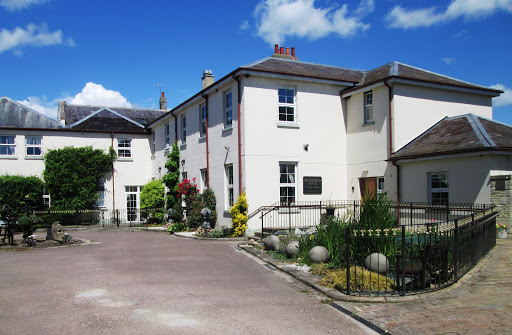
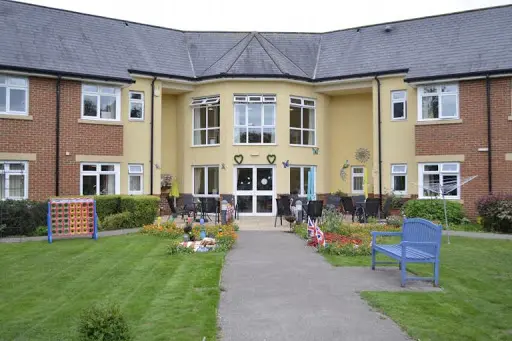
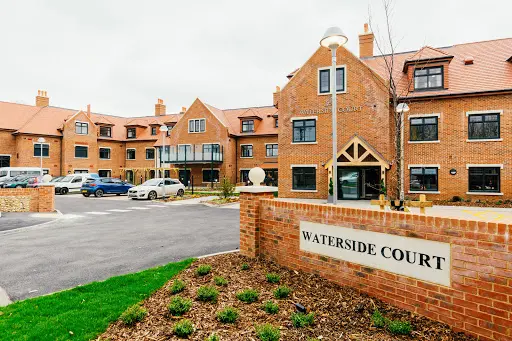
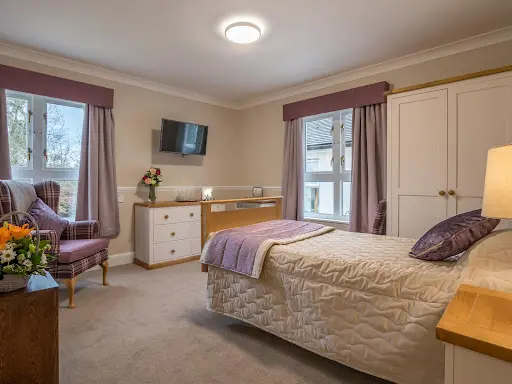
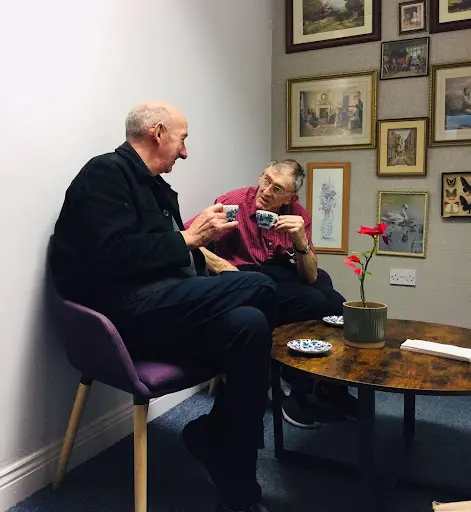
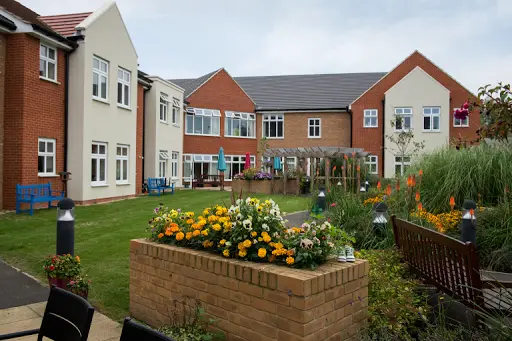
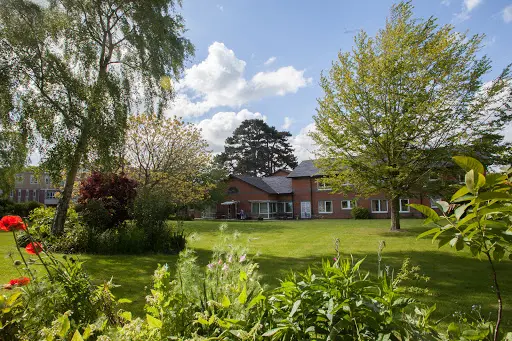
The home itself feels fresh and well-maintained, with modern design touches throughout. There are pleasant garden spaces for when the weather's nice, and the café area gives families somewhere comfortable to spend time together. Everything's kept clean and tidy, creating spaces that work well for both residents and visitors.
“If you're looking for dementia care in Kidlington, it might be worth popping in to see how things feel for yourself.”
DCC does not edit or curate content in this tab. For independently curated information, see The Evidence and DCC Verdict.