St Katharine's House
At a Glance
The information you need to decide whether this home warrants a closer look.
Nursing homes
Staff warmth score
of reviewers answered yes
Good to know
- Registered beds84
- SpecialismsCaring for adults over 65 yrs, Caring for adults under 65 yrs, Dementia
- Last inspected2023-03-29
Save St Katharine's House to your shortlist
Keep a running list, add visit notes, and compare homes side-by-side. Free account — it takes a minute.
STAGE 4 — RESEARCHING CARE HOMES
Visit homes. Compare them side by side. Choose with confidence.
Most of us will view care homes the way we view houses, impression, atmosphere, the feeling in the corridor. We go home, try to remember what we saw, and make a permanent decision from a blurred memory.

The DCC shortlist gives every home you visit a structured record: the same twelve questions, answered the same way, every time. When you’re ready to choose, pull any two homes side by side and compare them directly. Same criteria, same evidence, your notes and your scores.
The Evidence
What the review data, the inspection reports, and the dementia-care evidence base tell us about this home.
What families say
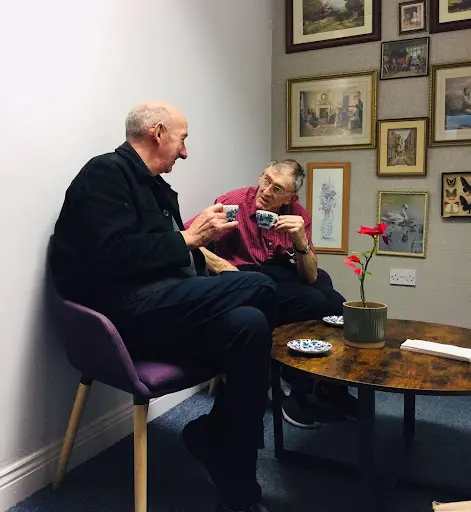
People notice how approachable and friendly the staff are here — not just with residents but with visitors too. Family members mention seeing their relatives looking happy and engaged, chatting with friends and joining in with whatever's happening. There's a real sense that residents feel at home, with staff who know them well and activities that keep spirits bright.
The eight family priority themes
- Staff warmth72
- Compassion & dignity74
- Cleanliness72
- Activities & engagement60
- Food quality60
- Healthcare72
- Management & leadership74
- Resident happiness70
What inspectors found
Inspected 2023-03-29
Is this home safe?
Is the care effective?
The Effective domain was rated Good at the February 2023 inspection. This domain covers staff training, care planning, nutrition, and healthcare access including GP and specialist involvement. The published summary does not reproduce specific examples of how care plans are written or reviewed, what dementia training staff have completed, or how the home manages health conditions. The home specialises in dementia care for both over-65s and under-65s, which means training should cover the particular needs of younger people with dementia as well as older residents.Is this home caring?
The Caring domain was rated Good at the February 2023 inspection, covering staff warmth, dignity, respect, and support for independence. The published summary does not include inspector observations of staff interactions, quotes from residents or relatives, or specific examples of how dignity is maintained during personal care. Staff warmth is the single largest driver of family satisfaction in DCC review data and the absence of specific detail here means this rating cannot be independently verified from the published text alone.Is the home responsive?
The Responsive domain was rated Good at the February 2023 inspection. This domain covers activities and engagement, respect for individual preferences, and end-of-life care planning. The published summary does not describe the activity programme, confirm whether one-to-one engagement is available for residents who cannot join group sessions, or give detail on how the home supports people's individual histories and preferences. For a home with 84 beds including a dementia specialism, responsiveness to individual need is a significant undertaking.Is the home well-led?
The Well-led domain was rated Good at the February 2023 inspection. The home has two registered managers (Mrs Seung Ping Riggs and Mrs Seema Thomas Thekkethottathil) and a nominated individual (Mr Sunil Cheekoory). Having two registered managers across an 84-bed nursing home with a dementia specialism reflects the scale of the operation. The published summary does not describe the management culture, whether staff feel able to raise concerns, or how the home responded to the issues that led to the previous Requires Improvement rating.
Source: CQC inspection report →
What the evidence base says
St Katharine's House provides residential care for adults over 65, with particular experience in dementia care. They also support younger adults who need residential care. The home has developed its approach to dementia care with activities and environments that help residents stay engaged and comfortable. Staff understand how to support people living with dementia while maintaining their sense of self and connection to others. All areas worth probing directly during a visit.
The DCC Verdict
Our editorial view, built from the three lenses: what families tell us, what inspectors record, and how the home sits against good dementia-care practice.
DCC Family Score
St Katharine's House scores 74 out of 100, reflecting a solid Good rating across all five inspection domains following improvement from a previous Requires Improvement finding. The score is held back by limited specific detail in the published report on activities, food, and individual resident experience.
Homes in South East typically score 68–82.The three-lens summary
What families tell us
People notice how approachable and friendly the staff are here — not just with residents but with visitors too. Family members mention seeing their relatives looking happy and engaged, chatting with friends and joining in with whatever's happening. There's a real sense that residents feel at home, with staff who know them well and activities that keep spirits bright.
What inspectors have recorded
The manager here is hands-on and visible, often spotted chatting with residents and families around the home. Staff show real warmth in how they look after people, and healthcare professionals who visit have noticed how well the team maintains residents' dignity and emotional wellbeing. One family did mention having trouble getting through on the phone sometimes, which the home will want to sort out, but face-to-face the communication seems much better.
How it sits against good practice
With its calendar of events and that welcoming atmosphere everyone mentions, St Katharine's House seems to have found a good balance between care and community.
Worth a visit
St Katharine's House in Wantage was rated Good across all five inspection domains at its last assessment in February 2023, an improvement from its previous Requires Improvement rating. The home provides nursing care for up to 84 people, including those living with dementia, and is registered with two named managers and a nominated individual. The improvement in rating is a meaningful positive signal, suggesting that issues identified in the earlier inspection were addressed before the 2023 visit. The main limitation of this report is that the published summary is brief and does not reproduce inspector observations, resident or family testimony, or specific examples of practice. This means that almost every item on the evidence checklist sits in the "mentioned" or "not assessed" category rather than being verified through direct evidence. Before visiting, prepare a list of specific questions covering night staffing ratios, agency staff use, dementia-specific activities, and how families are kept informed when something changes. Arriving at a mealtime and walking the dementia unit will tell you more than any document.
The three questions to ask when you visitSave this home. Compare it against your shortlist.
Let our analysis show you how St Katharine's House measures up against the other homes you’re considering. Free account.
In Their Own Words
How St Katharine's House describes itself — collected from its own website. DCC has not edited or independently verified the content in this tab.
Where friendly faces and festive events brighten every day
St Katharine's House – Your Trusted nursing home
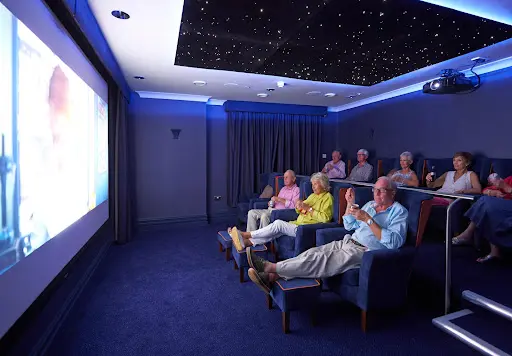
Walking through the doors at St Katharine's House in Wantage feels like stepping into somewhere genuinely welcoming. Families talk about the warmth they feel from staff, the happiness they see in their relatives' faces, and the way the whole place buzzes with activity. It's the kind of care home where the manager stops to chat, where seasonal events bring everyone together, and where residents seem genuinely content with their days.
Who they care for
St Katharine's House provides residential care for adults over 65, with particular experience in dementia care. They also support younger adults who need residential care.
The home has developed its approach to dementia care with activities and environments that help residents stay engaged and comfortable. Staff understand how to support people living with dementia while maintaining their sense of self and connection to others.
“With its calendar of events and that welcoming atmosphere everyone mentions, St Katharine's House seems to have found a good balance between care and community.”
DCC does not edit or curate content in this tab. For independently curated information, see The Evidence and DCC Verdict.
The DCC Verdict
Our editorial view, built from the three lenses: what families tell us, what inspectors record, and how the home sits against good dementia-care practice.
DCC Family Score
St Katharine's House scores 74 out of 100, reflecting a solid Good rating across all five inspection domains following improvement from a previous Requires Improvement finding. The score is held back by limited specific detail in the published report on activities, food, and individual resident experience.
Homes in South East typically score 68–82.The three-lens summary
What families tell us
People notice how approachable and friendly the staff are here — not just with residents but with visitors too. Family members mention seeing their relatives looking happy and engaged, chatting with friends and joining in with whatever's happening. There's a real sense that residents feel at home, with staff who know them well and activities that keep spirits bright.
What inspectors have recorded
The manager here is hands-on and visible, often spotted chatting with residents and families around the home. Staff show real warmth in how they look after people, and healthcare professionals who visit have noticed how well the team maintains residents' dignity and emotional wellbeing. One family did mention having trouble getting through on the phone sometimes, which the home will want to sort out, but face-to-face the communication seems much better.
How it sits against good practice
With its calendar of events and that welcoming atmosphere everyone mentions, St Katharine's House seems to have found a good balance between care and community.
Worth a visit
St Katharine's House in Wantage was rated Good across all five inspection domains at its last assessment in February 2023, an improvement from its previous Requires Improvement rating. The home provides nursing care for up to 84 people, including those living with dementia, and is registered with two named managers and a nominated individual. The improvement in rating is a meaningful positive signal, suggesting that issues identified in the earlier inspection were addressed before the 2023 visit. The main limitation of this report is that the published summary is brief and does not reproduce inspector observations, resident or family testimony, or specific examples of practice. This means that almost every item on the evidence checklist sits in the "mentioned" or "not assessed" category rather than being verified through direct evidence. Before visiting, prepare a list of specific questions covering night staffing ratios, agency staff use, dementia-specific activities, and how families are kept informed when something changes. Arriving at a mealtime and walking the dementia unit will tell you more than any document.
The three questions to ask when you visitSave this home. Compare it against your shortlist.
Let our analysis show you how St Katharine's House measures up against the other homes you’re considering. Free account.
In Their Own Words
How St Katharine's House describes itself — collected from its own website. DCC has not edited or independently verified the content in this tab.
Where friendly faces and festive events brighten every day
St Katharine's House – Your Trusted nursing home
Walking through the doors at St Katharine's House in Wantage feels like stepping into somewhere genuinely welcoming. Families talk about the warmth they feel from staff, the happiness they see in their relatives' faces, and the way the whole place buzzes with activity. It's the kind of care home where the manager stops to chat, where seasonal events bring everyone together, and where residents seem genuinely content with their days.
Who they care for
St Katharine's House provides residential care for adults over 65, with particular experience in dementia care. They also support younger adults who need residential care.
The home has developed its approach to dementia care with activities and environments that help residents stay engaged and comfortable. Staff understand how to support people living with dementia while maintaining their sense of self and connection to others.
Management & ethos
The manager here is hands-on and visible, often spotted chatting with residents and families around the home. Staff show real warmth in how they look after people, and healthcare professionals who visit have noticed how well the team maintains residents' dignity and emotional wellbeing. One family did mention having trouble getting through on the phone sometimes, which the home will want to sort out, but face-to-face the communication seems much better.
The home & environment
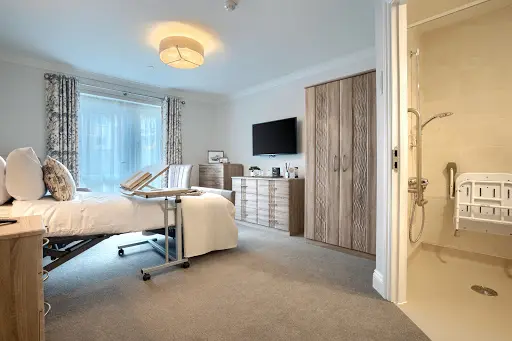
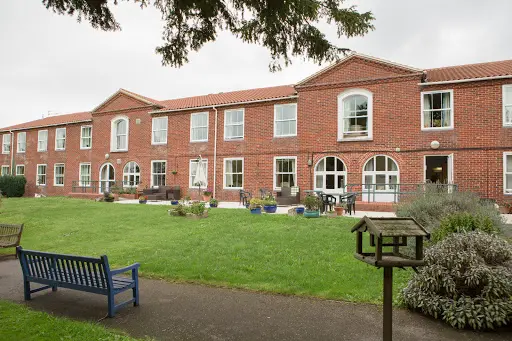
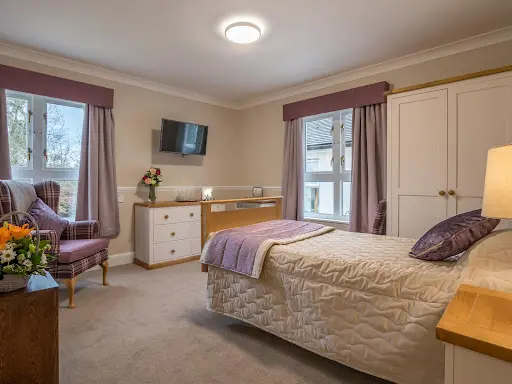
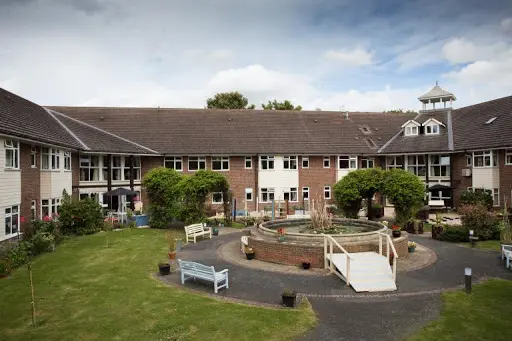
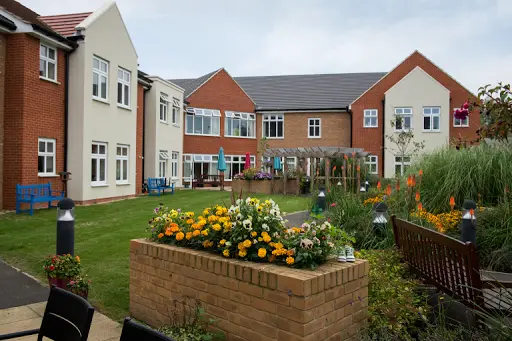
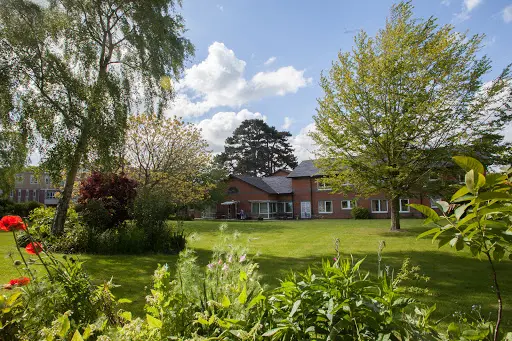
The home keeps everything fresh and well-maintained, from the communal areas right through to the grounds outside. The kitchen team gets praise for serving good food and being flexible with what people want to eat. Visitors mention being offered refreshments whenever they drop by, and there's talk of a beautiful sensory garden that residents enjoy.
“With its calendar of events and that welcoming atmosphere everyone mentions, St Katharine's House seems to have found a good balance between care and community.”
DCC does not edit or curate content in this tab. For independently curated information, see The Evidence and DCC Verdict.