Westgate House Care Centre

At a Glance
The information you need to decide whether this home warrants a closer look.
Nursing homes
Staff warmth score
of reviewers answered yes
Good to know
- Registered beds109
- SpecialismsCaring for adults over 65 yrs, Caring for adults under 65 yrs, Dementia, Physical disabilities, Sensory impairment
- Last inspected2020-01-21
Save Westgate House Care Centre to your shortlist
Keep a running list, add visit notes, and compare homes side-by-side. Free account — it takes a minute.
STAGE 4 — RESEARCHING CARE HOMES
Visit homes. Compare them side by side. Choose with confidence.
Most of us will view care homes the way we view houses, impression, atmosphere, the feeling in the corridor. We go home, try to remember what we saw, and make a permanent decision from a blurred memory.

The DCC shortlist gives every home you visit a structured record: the same twelve questions, answered the same way, every time. When you’re ready to choose, pull any two homes side by side and compare them directly. Same criteria, same evidence, your notes and your scores.
The Evidence
What the review data, the inspection reports, and the dementia-care evidence base tell us about this home.
What families say
Families describe a warm reception that extends from the smiling weekend receptionist right through to the nursing teams. The home feels welcoming and spotless, with recently refurbished areas adding to the sense of care. People particularly mention how staff ensure everyone joins in activities and celebrations, making sure those with limited mobility aren't left out.
The eight family priority themes
- Staff warmth72
- Compassion & dignity72
- Cleanliness68
- Activities & engagement62
- Food quality58
- Healthcare68
- Management & leadership88
- Resident happiness68
What inspectors found
Inspected 2020-01-21
Is this home safe?
Is the care effective?
The Effective domain was rated Good at the February 2022 inspection. This domain covers training, care planning, healthcare access, nutrition, and whether care is based on evidence. The home is registered to care for people with dementia, physical disabilities, and sensory impairments, which requires staff to have specific skills across several areas. The published summary does not describe the content of dementia training, how often care plans are reviewed, or how the home coordinates with GPs and specialist services. A Good rating confirms inspectors found no major failures, but the lack of published detail limits what can be confirmed independently.Is this home caring?
The Caring domain was rated Good at the February 2022 inspection. This domain covers staff warmth, dignity, respect, and how well the home supports independence. Inspectors rate this domain using a combination of observation, conversations with the people who live there, and family feedback. The published summary does not include direct quotes from residents or relatives, and no specific inspector observations about how staff interact with people are recorded. A Good rating means inspectors did not find evidence of poor practice, but the absence of detail makes it difficult to say how strong the caring culture is beyond the rating itself.Is the home responsive?
The Responsive domain was rated Good at the February 2022 inspection. This domain covers whether activities are meaningful and tailored to individuals, whether the home responds to complaints, and whether end-of-life care is planned. The home cares for people with dementia, physical disabilities, and sensory impairments, which means activities need to be accessible to people with a wide range of abilities. The published report does not describe the activity programme, one-to-one engagement provision, or how end-of-life preferences are recorded. The Good rating confirms inspectors found no failures in responsiveness, but specific detail is not available.Is the home well-led?
The Well-led domain received an Outstanding rating at the February 2022 inspection, the highest possible grade and one awarded to fewer than one in ten care homes nationally. This rating covers the quality of management, the culture of the home, accountability systems, and whether staff feel able to speak up. The home had previously been rated Requires Improvement, which means the Outstanding Well-led rating was achieved after a period of identified weakness, making it particularly meaningful as evidence of genuine change. The registered manager is Miss Nancy Elizabeth Currie, and the nominated individual is Dr Sanjiv Patel. The published summary does not describe specific leadership practices in detail.
Source: CQC inspection report →
What the evidence base says
The home cares for both younger and older adults with physical disabilities, dementia and sensory impairments. They have particular experience supporting people through end-of-life care. Families of residents with dementia note how staff manage challenging behaviours with consistent calm and professionalism. The team works to maintain each person's dignity and sense of self throughout their journey with the condition. All areas worth probing directly during a visit.
The DCC Verdict
Our editorial view, built from the three lenses: what families tell us, what inspectors record, and how the home sits against good dementia-care practice.
DCC Family Score
Westgate House scores well overall, lifted particularly by its Outstanding rating for leadership, which suggests the home is well-run and moving in the right direction. Most other areas are rated Good but the published inspection text is limited in specific detail, so several themes score in the mid-range reflecting genuine uncertainty rather than concern.
Homes in East typically score 68–82.The three-lens summary
What families tell us
Families describe a warm reception that extends from the smiling weekend receptionist right through to the nursing teams. The home feels welcoming and spotless, with recently refurbished areas adding to the sense of care. People particularly mention how staff ensure everyone joins in activities and celebrations, making sure those with limited mobility aren't left out.
What inspectors have recorded
Staff across every department — from nurses to housekeeping — consistently show genuine care and calm professionalism, according to families. They're particularly skilled at managing challenging situations, keeping families informed while treating everyone with respect. Medication management is described as meticulous. One family did raise serious concerns about visiting restrictions during their relative's final hours, and another reported difficulties with night-time care quality.
How it sits against good practice
If you're considering Westgate House, it's worth asking about their current visiting policies, especially if your loved one might need end-of-life care.
Worth a visit
Westgate House Care Centre on Tower Road in Ware was rated Good overall at its inspection in February 2022, having improved from a previous rating of Requires Improvement. All five domains were rated Good, with Well-led receiving an Outstanding rating, the highest possible grade. That improvement from Requires Improvement is meaningful: it indicates the home identified what was wrong, acted on it, and satisfied inspectors that the changes were genuine and sustained. The main limitation here is that the published inspection text is very brief, providing ratings but little specific detail about what inspectors actually observed. This means there are gaps in what can be confirmed independently. On a visit, focus on three things: ask the manager to show you the staffing rota for the past two weeks including overnight shifts and agency usage; spend time in a communal area watching whether staff move without hurry and use your parent's preferred name; and ask specifically how the home supports people with dementia who cannot take part in group activities.
The three questions to ask when you visitSave this home. Compare it against your shortlist.
Let our analysis show you how Westgate House Care Centre measures up against the other homes you’re considering. Free account.
In Their Own Words
How Westgate House Care Centre describes itself — collected from its own website. DCC has not edited or independently verified the content in this tab.
Where dignity matters most when families need it most
Westgate House – Expert Care in Ware
When you're looking for care that truly understands what dignity means, Westgate House Care Centre in Ware offers something families consistently praise. This established care home supports people with dementia, physical disabilities and sensory impairments, with many families choosing them specifically for end-of-life care. What stands out in their experiences is how staff help residents maintain their sense of self, even during the most challenging times.
Who they care for
The home cares for both younger and older adults with physical disabilities, dementia and sensory impairments. They have particular experience supporting people through end-of-life care.
Families of residents with dementia note how staff manage challenging behaviours with consistent calm and professionalism. The team works to maintain each person's dignity and sense of self throughout their journey with the condition.
“If you're considering Westgate House, it's worth asking about their current visiting policies, especially if your loved one might need end-of-life care.”
DCC does not edit or curate content in this tab. For independently curated information, see The Evidence and DCC Verdict.
The DCC Verdict
Our editorial view, built from the three lenses: what families tell us, what inspectors record, and how the home sits against good dementia-care practice.
DCC Family Score
Westgate House scores well overall, lifted particularly by its Outstanding rating for leadership, which suggests the home is well-run and moving in the right direction. Most other areas are rated Good but the published inspection text is limited in specific detail, so several themes score in the mid-range reflecting genuine uncertainty rather than concern.
Homes in East typically score 68–82.The three-lens summary
What families tell us
Families describe a warm reception that extends from the smiling weekend receptionist right through to the nursing teams. The home feels welcoming and spotless, with recently refurbished areas adding to the sense of care. People particularly mention how staff ensure everyone joins in activities and celebrations, making sure those with limited mobility aren't left out.
What inspectors have recorded
Staff across every department — from nurses to housekeeping — consistently show genuine care and calm professionalism, according to families. They're particularly skilled at managing challenging situations, keeping families informed while treating everyone with respect. Medication management is described as meticulous. One family did raise serious concerns about visiting restrictions during their relative's final hours, and another reported difficulties with night-time care quality.
How it sits against good practice
If you're considering Westgate House, it's worth asking about their current visiting policies, especially if your loved one might need end-of-life care.
Worth a visit
Westgate House Care Centre on Tower Road in Ware was rated Good overall at its inspection in February 2022, having improved from a previous rating of Requires Improvement. All five domains were rated Good, with Well-led receiving an Outstanding rating, the highest possible grade. That improvement from Requires Improvement is meaningful: it indicates the home identified what was wrong, acted on it, and satisfied inspectors that the changes were genuine and sustained. The main limitation here is that the published inspection text is very brief, providing ratings but little specific detail about what inspectors actually observed. This means there are gaps in what can be confirmed independently. On a visit, focus on three things: ask the manager to show you the staffing rota for the past two weeks including overnight shifts and agency usage; spend time in a communal area watching whether staff move without hurry and use your parent's preferred name; and ask specifically how the home supports people with dementia who cannot take part in group activities.
The three questions to ask when you visitSave this home. Compare it against your shortlist.
Let our analysis show you how Westgate House Care Centre measures up against the other homes you’re considering. Free account.
In Their Own Words
How Westgate House Care Centre describes itself — collected from its own website. DCC has not edited or independently verified the content in this tab.
Where dignity matters most when families need it most
Westgate House – Expert Care in Ware
When you're looking for care that truly understands what dignity means, Westgate House Care Centre in Ware offers something families consistently praise. This established care home supports people with dementia, physical disabilities and sensory impairments, with many families choosing them specifically for end-of-life care. What stands out in their experiences is how staff help residents maintain their sense of self, even during the most challenging times.
Who they care for
The home cares for both younger and older adults with physical disabilities, dementia and sensory impairments. They have particular experience supporting people through end-of-life care.
Families of residents with dementia note how staff manage challenging behaviours with consistent calm and professionalism. The team works to maintain each person's dignity and sense of self throughout their journey with the condition.
Management & ethos
Staff across every department — from nurses to housekeeping — consistently show genuine care and calm professionalism, according to families. They're particularly skilled at managing challenging situations, keeping families informed while treating everyone with respect. Medication management is described as meticulous. One family did raise serious concerns about visiting restrictions during their relative's final hours, and another reported difficulties with night-time care quality.
The home & environment
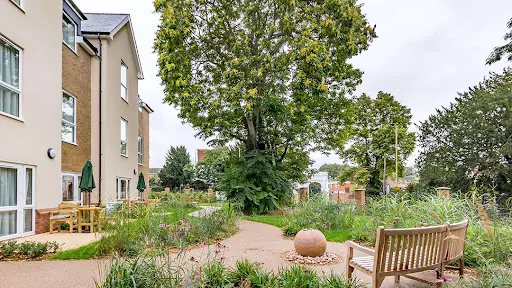
The meals here get specific praise for being tailored to what each person actually likes to eat, with portions that families describe as plentiful. The home is kept very warm for residents' comfort, though some visitors find it a bit too toasty during their visits. Everything is maintained to a high standard of cleanliness throughout.
“If you're considering Westgate House, it's worth asking about their current visiting policies, especially if your loved one might need end-of-life care.”
DCC does not edit or curate content in this tab. For independently curated information, see The Evidence and DCC Verdict.