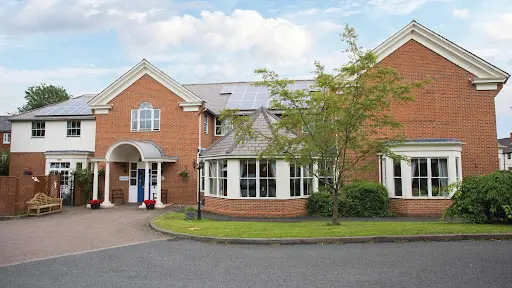
Deer Park Care Home

At a Glance
The information you need to decide whether this home warrants a closer look.
Nursing homes
Staff warmth score
of reviewers answered yes
Good to know
- Registered beds64
- SpecialismsCaring for adults over 65 yrs, Dementia
- Last inspected2025-01-13
Save Deer Park Care Home to your shortlist
Keep a running list, add visit notes, and compare homes side-by-side. Free account — it takes a minute.
STAGE 4 — RESEARCHING CARE HOMES
Visit homes. Compare them side by side. Choose with confidence.
Most of us will view care homes the way we view houses, impression, atmosphere, the feeling in the corridor. We go home, try to remember what we saw, and make a permanent decision from a blurred memory.

The DCC shortlist gives every home you visit a structured record: the same twelve questions, answered the same way, every time. When you’re ready to choose, pull any two homes side by side and compare them directly. Same criteria, same evidence, your notes and your scores.
The Evidence
What the review data, the inspection reports, and the dementia-care evidence base tell us about this home.
What families say
What strikes families most is how staff encourage residents to join in at their own pace, particularly those living with dementia who might feel overwhelmed in new surroundings. The spacious layout helps residents navigate independently, while personal touches in bedrooms — from familiar photographs to cherished ornaments — create comfort from day one. Regular events like garden parties and cinema afternoons mean families stay connected even during respite periods.
The eight family priority themes
- Staff warmth55
- Compassion & dignity55
- Cleanliness55
- Activities & engagement55
- Food quality50
- Healthcare55
- Management & leadership60
- Resident happiness55
What inspectors found
Inspected 2025-01-13 Report published 2025-01-13
Is this home safe?
Is the care effective?
The home was rated Good for effectiveness at its January 2025 inspection. As a registered nursing home with a dementia specialism, the expectation is that care plans, healthcare access, and staff training meet a consistent standard. The published report does not include specific detail about how care plans are written or reviewed, how frequently GPs visit, what dementia training staff have completed, or how food quality and dietary needs are managed. No concerns were raised in this domain.Is this home caring?
Deer Park Care Home received a Good rating for caring at its January 2025 inspection. This domain covers how staff treat the people who live there: whether they are kind, whether they protect dignity, whether they respond to distress without rushing, and whether they know people as individuals. The published report does not include any direct observations of staff interactions, no quotes from the people who live there, and no specific examples of how dignity or independence are promoted. The absence of concerns is positive, but the evidence base here is thin.Is the home responsive?
Deer Park Care Home was rated Good for responsiveness at its January 2025 inspection. This domain covers activities, individual engagement, how well the home responds to changing needs, and end-of-life care. The published report does not record any specific activities that take place, any examples of tailored one-to-one engagement, or any information about how the home responds when someone's needs change significantly. No concerns were identified, but no specific positive evidence is recorded either.Is the home well-led?
Deer Park Care Home was rated Good for well-led at its January 2025 inspection. A named registered manager (Lisa Sharon Soper) and a nominated individual are confirmed in the registration records, indicating a clear leadership structure. The home is run by Porthaven Care Homes No 3 Limited. The published report does not include specific observations about management visibility, staff culture, how complaints are handled, or how the home uses feedback to improve. No concerns were raised in this domain.
Source: CQC inspection report →
What the evidence base says
The home specialises in caring for adults over 65, with particular expertise in dementia support. Respite stays require a minimum seven-day booking, allowing time for proper settling-in and care planning. Staff understand the importance of routine and familiarity for people living with dementia, using the home's clear layout and consistent daily structure to reduce anxiety. Activities are adapted so that everyone can participate meaningfully, whether through sensory sessions or simply enjoying the garden. All areas worth probing directly during a visit.
The DCC Verdict
Our editorial view, built from the three lenses: what families tell us, what inspectors record, and how the home sits against good dementia-care practice.
DCC Family Score
Deer Park Care Home was rated Good across all five inspection domains, but the published report contains very limited specific detail, so scores reflect that rating without the direct observations, quotes, or examples that would push them higher. The figures here represent a solid baseline that warrants verification on a personal visit.
Homes in West Midlands typically score 68–82.The three-lens summary
What families tell us
What strikes families most is how staff encourage residents to join in at their own pace, particularly those living with dementia who might feel overwhelmed in new surroundings. The spacious layout helps residents navigate independently, while personal touches in bedrooms — from familiar photographs to cherished ornaments — create comfort from day one. Regular events like garden parties and cinema afternoons mean families stay connected even during respite periods.
What inspectors have recorded
Staff consistency shines through in how they handle both planned activities and spontaneous moments of care. Families describe seamless communication during the assessment process and appreciate how the team remembers preferences across multiple stays. The home coordinates smoothly with external healthcare professionals and support groups, creating a collaborative approach that families find reassuring.
How it sits against good practice
Monthly open days give families a chance to explore before making any decisions — a thoughtful touch that speaks to the home's confidence in what they offer.
Worth a visit
Deer Park Care Home, in Ledbury, was assessed in January 2025 and rated Good across all five inspection domains: safe, effective, caring, responsive, and well-led. The home is registered to provide nursing care and personal care for up to 64 people, with a specialism in dementia and care for adults over 65. A named registered manager and nominated individual are confirmed in the registration details, indicating a stable leadership structure was in place at the time of inspection. The main limitation of this report is that the published inspection text contains very little specific detail: no direct observations from inspectors, no quotes from the people who live there or their families, and no specific examples of how care is delivered day to day. A Good rating is a meaningful baseline, but it tells you that inspectors found no significant concerns rather than giving you a rich picture of life at the home. Before making a decision, visit in person, ask to see last week's actual staffing rota (not a template), sit in on a mealtime, and ask the manager directly about night staffing numbers, dementia training content, and how the home involves families in care reviews.
The three questions to ask when you visitSave this home. Compare it against your shortlist.
Let our analysis show you how Deer Park Care Home measures up against the other homes you’re considering. Free account.
In Their Own Words
How Deer Park Care Home describes itself — collected from its own website. DCC has not edited or independently verified the content in this tab.
Where respite stays become cherished routines for families
Dedicated nursing home Support in Ledbury
Families seeking respite care often worry about disrupting established routines, but Deer Park Care Home in Ledbury has built its reputation on making temporary stays feel reassuring and familiar. The purpose-built home welcomes residents for both short breaks and longer-term care, with a particular focus on supporting those living with dementia. Set in the West Midlands countryside, the home combines professional healthcare standards with the warmth of a welcoming community space.
Who they care for
The home specialises in caring for adults over 65, with particular expertise in dementia support. Respite stays require a minimum seven-day booking, allowing time for proper settling-in and care planning.
Staff understand the importance of routine and familiarity for people living with dementia, using the home's clear layout and consistent daily structure to reduce anxiety. Activities are adapted so that everyone can participate meaningfully, whether through sensory sessions or simply enjoying the garden.
“Monthly open days give families a chance to explore before making any decisions — a thoughtful touch that speaks to the home's confidence in what they offer.”
DCC does not edit or curate content in this tab. For independently curated information, see The Evidence and DCC Verdict.
The DCC Verdict
Our editorial view, built from the three lenses: what families tell us, what inspectors record, and how the home sits against good dementia-care practice.
DCC Family Score
Deer Park Care Home was rated Good across all five inspection domains, but the published report contains very limited specific detail, so scores reflect that rating without the direct observations, quotes, or examples that would push them higher. The figures here represent a solid baseline that warrants verification on a personal visit.
Homes in West Midlands typically score 68–82.The three-lens summary
What families tell us
What strikes families most is how staff encourage residents to join in at their own pace, particularly those living with dementia who might feel overwhelmed in new surroundings. The spacious layout helps residents navigate independently, while personal touches in bedrooms — from familiar photographs to cherished ornaments — create comfort from day one. Regular events like garden parties and cinema afternoons mean families stay connected even during respite periods.
What inspectors have recorded
Staff consistency shines through in how they handle both planned activities and spontaneous moments of care. Families describe seamless communication during the assessment process and appreciate how the team remembers preferences across multiple stays. The home coordinates smoothly with external healthcare professionals and support groups, creating a collaborative approach that families find reassuring.
How it sits against good practice
Monthly open days give families a chance to explore before making any decisions — a thoughtful touch that speaks to the home's confidence in what they offer.
Worth a visit
Deer Park Care Home, in Ledbury, was assessed in January 2025 and rated Good across all five inspection domains: safe, effective, caring, responsive, and well-led. The home is registered to provide nursing care and personal care for up to 64 people, with a specialism in dementia and care for adults over 65. A named registered manager and nominated individual are confirmed in the registration details, indicating a stable leadership structure was in place at the time of inspection. The main limitation of this report is that the published inspection text contains very little specific detail: no direct observations from inspectors, no quotes from the people who live there or their families, and no specific examples of how care is delivered day to day. A Good rating is a meaningful baseline, but it tells you that inspectors found no significant concerns rather than giving you a rich picture of life at the home. Before making a decision, visit in person, ask to see last week's actual staffing rota (not a template), sit in on a mealtime, and ask the manager directly about night staffing numbers, dementia training content, and how the home involves families in care reviews.
The three questions to ask when you visitSave this home. Compare it against your shortlist.
Let our analysis show you how Deer Park Care Home measures up against the other homes you’re considering. Free account.
In Their Own Words
How Deer Park Care Home describes itself — collected from its own website. DCC has not edited or independently verified the content in this tab.
Where respite stays become cherished routines for families
Dedicated nursing home Support in Ledbury
Families seeking respite care often worry about disrupting established routines, but Deer Park Care Home in Ledbury has built its reputation on making temporary stays feel reassuring and familiar. The purpose-built home welcomes residents for both short breaks and longer-term care, with a particular focus on supporting those living with dementia. Set in the West Midlands countryside, the home combines professional healthcare standards with the warmth of a welcoming community space.
Who they care for
The home specialises in caring for adults over 65, with particular expertise in dementia support. Respite stays require a minimum seven-day booking, allowing time for proper settling-in and care planning.
Staff understand the importance of routine and familiarity for people living with dementia, using the home's clear layout and consistent daily structure to reduce anxiety. Activities are adapted so that everyone can participate meaningfully, whether through sensory sessions or simply enjoying the garden.
Management & ethos
Staff consistency shines through in how they handle both planned activities and spontaneous moments of care. Families describe seamless communication during the assessment process and appreciate how the team remembers preferences across multiple stays. The home coordinates smoothly with external healthcare professionals and support groups, creating a collaborative approach that families find reassuring.
The home & environment
The bistro serves as both dining room and social hub, with the chef adapting meals for specific dietary needs without fuss. Rooms are notably spacious with plenty of natural light, and the building's modern design prioritises both safety and style. The home hosts everything from craft sessions to sensory activities, with visiting professionals from hairdressers to massage therapists adding variety to daily life.
“Monthly open days give families a chance to explore before making any decisions — a thoughtful touch that speaks to the home's confidence in what they offer.”
DCC does not edit or curate content in this tab. For independently curated information, see The Evidence and DCC Verdict.