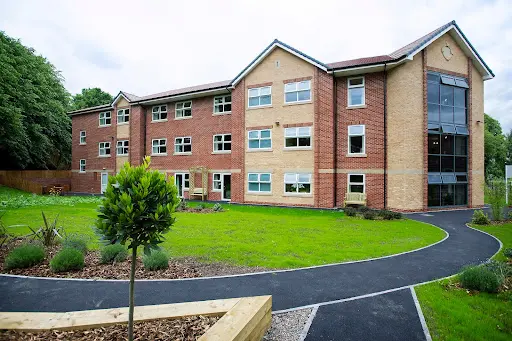
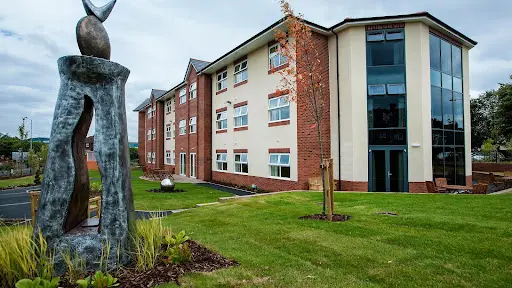
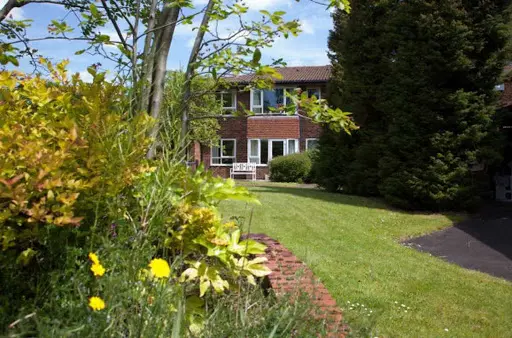
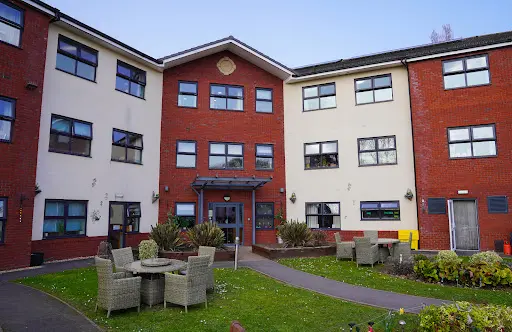
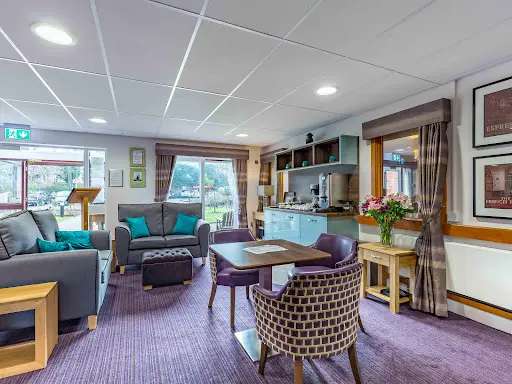
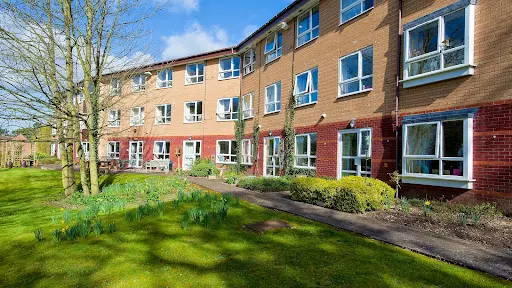
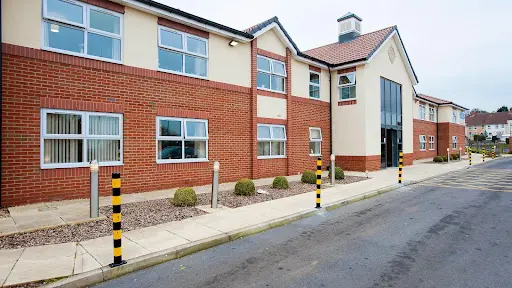
Rushall Nursing Home

At a Glance
The information you need to decide whether this home warrants a closer look.
Nursing homes
Staff warmth score
of reviewers answered yes
Good to know
- Registered beds39
- SpecialismsCaring for adults over 65 yrs, Caring for adults under 65 yrs, Dementia, Learning disabilities
- Last inspected2023-09-15
Save Rushall Nursing Home to your shortlist
Keep a running list, add visit notes, and compare homes side-by-side. Free account — it takes a minute.
STAGE 4 — RESEARCHING CARE HOMES
Visit homes. Compare them side by side. Choose with confidence.
Most of us will view care homes the way we view houses, impression, atmosphere, the feeling in the corridor. We go home, try to remember what we saw, and make a permanent decision from a blurred memory.

The DCC shortlist gives every home you visit a structured record: the same twelve questions, answered the same way, every time. When you’re ready to choose, pull any two homes side by side and compare them directly. Same criteria, same evidence, your notes and your scores.
The Evidence
What the review data, the inspection reports, and the dementia-care evidence base tell us about this home.
What families say
Families describe a place where staff genuinely care about each resident's wellbeing. There's warmth here that goes beyond professional duty — from the domestic team through to management, people notice how staff take time to really know residents. Special moments matter too, like when staff arranged for a resident to watch a family wedding, keeping those vital connections alive.
The eight family priority themes
- Staff warmth72
- Compassion & dignity72
- Cleanliness70
- Activities & engagement60
- Food quality58
- Healthcare68
- Management & leadership74
- Resident happiness68
What inspectors found
Inspected 2023-09-15
Is this home safe?
Is the care effective?
The inspection rated Effective as Good. The home supports people with dementia, learning disabilities, and nursing needs, which requires staff to hold specific training across multiple specialisms. The published inspection text does not include detail on care plan quality, dementia training content, GP access frequency, or how food quality and dietary needs are managed. The home's registered manager is named in the registration record.Is this home caring?
The inspection rated Caring as Good. The home supports a mixed population including people with dementia, learning disabilities, and adults both over and under 65, which requires staff to adapt their communication and approach to very different individuals. The published inspection text does not include direct observations of staff interactions, resident testimony about how they feel treated, or specific examples of dignity being upheld. No concerns about care quality were noted.Is the home responsive?
The inspection rated Responsive as Good. The home supports people with dementia and learning disabilities, both of whom benefit significantly from tailored, individual activity rather than generic group programmes. The published inspection text does not describe the activity programme, one-to-one engagement provision, or how the home responds to individual preferences and changing needs. No concerns about responsiveness were recorded.Is the home well-led?
The inspection rated Well-led as Good, which is notable given the home's previous Requires Improvement rating. The registered manager is named as Mr Philip Toomer-Smith, with Mr Christopher Michael Goss listed as Nominated Individual. The home is operated by Navigation Care Limited. The published inspection text does not include detail on management visibility, staff culture, how incidents are learned from, or how the home communicates with families. No governance concerns were recorded.
Source: CQC inspection report →
What the evidence base says
The home cares for adults both under and over 65, with particular expertise in dementia support. This mix of ages brings variety to daily life while ensuring specialist knowledge is always available. Staff here understand how dementia affects behaviour and mood, responding to changes with monitored adjustments to care. As the condition progresses, the team adapts their approach, always focusing on what helps each individual feel most comfortable and secure. All areas worth probing directly during a visit.
The DCC Verdict
Our editorial view, built from the three lenses: what families tell us, what inspectors record, and how the home sits against good dementia-care practice.
DCC Family Score
Rushall Care Home scores 73 out of 100, reflecting a solid Good rating across all five inspection domains and a meaningful improvement from a previous Requires Improvement rating. The score is held back by limited specific detail in the published report, which means several important areas, including food, activities, and night staffing, cannot be fully assessed from the inspection text alone.
Homes in West Midlands typically score 68–82.The three-lens summary
What families tell us
Families describe a place where staff genuinely care about each resident's wellbeing. There's warmth here that goes beyond professional duty — from the domestic team through to management, people notice how staff take time to really know residents. Special moments matter too, like when staff arranged for a resident to watch a family wedding, keeping those vital connections alive.
What inspectors have recorded
The clinical team watches residents carefully, picking up on subtle changes that might signal a need for support. When someone with dementia shows behavioural changes, staff respond thoughtfully, adjusting care as needed. During end-of-life care, families speak of pain being managed sensitively and dignity being preserved throughout.
How it sits against good practice
Sometimes the smallest gestures — a kind word during a difficult day, genuine interest in a resident's story — make all the difference.
Worth a visit
Rushall Care Home, on Lichfield Road in Walsall, was rated Good across all five inspection domains at its most recent inspection in August 2023, with the report published in September 2023. This is a significant improvement on a previous Requires Improvement rating, which tells you that the home recognised its problems and addressed them. The home provides nursing care and supports people living with dementia, learning disabilities, and a range of other conditions across 39 beds. The main limitation of this report is the amount of published detail available. The inspection text does not contain specific observations, resident or family quotes, or domain-by-domain narrative that would normally allow a fuller assessment. Before visiting, focus your questions on what changed since the last inspection, how staffing has been stabilised, and what a typical day looks like for a person with dementia. The checklist below identifies where the gaps are so you know exactly what to ask.
The three questions to ask when you visitSave this home. Compare it against your shortlist.
Let our analysis show you how Rushall Nursing Home measures up against the other homes you’re considering. Free account.
In Their Own Words
How Rushall Nursing Home describes itself — collected from its own website. DCC has not edited or independently verified the content in this tab.
Where families find comfort through life's most difficult moments
Rushall Care Home – Expert Care in Walsall
When someone you love needs specialist care, finding the right place feels overwhelming. Rushall Care Home in Walsall has built its reputation on something simple but precious — being there when it matters most. Whether supporting someone through dementia's challenges or ensuring dignity in final days, this West Midlands home understands what families need.
Who they care for
The home cares for adults both under and over 65, with particular expertise in dementia support. This mix of ages brings variety to daily life while ensuring specialist knowledge is always available.
Staff here understand how dementia affects behaviour and mood, responding to changes with monitored adjustments to care. As the condition progresses, the team adapts their approach, always focusing on what helps each individual feel most comfortable and secure.
“Sometimes the smallest gestures — a kind word during a difficult day, genuine interest in a resident's story — make all the difference.”
DCC does not edit or curate content in this tab. For independently curated information, see The Evidence and DCC Verdict.
The DCC Verdict
Our editorial view, built from the three lenses: what families tell us, what inspectors record, and how the home sits against good dementia-care practice.
DCC Family Score
Rushall Care Home scores 73 out of 100, reflecting a solid Good rating across all five inspection domains and a meaningful improvement from a previous Requires Improvement rating. The score is held back by limited specific detail in the published report, which means several important areas, including food, activities, and night staffing, cannot be fully assessed from the inspection text alone.
Homes in West Midlands typically score 68–82.The three-lens summary
What families tell us
Families describe a place where staff genuinely care about each resident's wellbeing. There's warmth here that goes beyond professional duty — from the domestic team through to management, people notice how staff take time to really know residents. Special moments matter too, like when staff arranged for a resident to watch a family wedding, keeping those vital connections alive.
What inspectors have recorded
The clinical team watches residents carefully, picking up on subtle changes that might signal a need for support. When someone with dementia shows behavioural changes, staff respond thoughtfully, adjusting care as needed. During end-of-life care, families speak of pain being managed sensitively and dignity being preserved throughout.
How it sits against good practice
Sometimes the smallest gestures — a kind word during a difficult day, genuine interest in a resident's story — make all the difference.
Worth a visit
Rushall Care Home, on Lichfield Road in Walsall, was rated Good across all five inspection domains at its most recent inspection in August 2023, with the report published in September 2023. This is a significant improvement on a previous Requires Improvement rating, which tells you that the home recognised its problems and addressed them. The home provides nursing care and supports people living with dementia, learning disabilities, and a range of other conditions across 39 beds. The main limitation of this report is the amount of published detail available. The inspection text does not contain specific observations, resident or family quotes, or domain-by-domain narrative that would normally allow a fuller assessment. Before visiting, focus your questions on what changed since the last inspection, how staffing has been stabilised, and what a typical day looks like for a person with dementia. The checklist below identifies where the gaps are so you know exactly what to ask.
The three questions to ask when you visitSave this home. Compare it against your shortlist.
Let our analysis show you how Rushall Nursing Home measures up against the other homes you’re considering. Free account.
In Their Own Words
How Rushall Nursing Home describes itself — collected from its own website. DCC has not edited or independently verified the content in this tab.
Where families find comfort through life's most difficult moments
Rushall Care Home – Expert Care in Walsall
When someone you love needs specialist care, finding the right place feels overwhelming. Rushall Care Home in Walsall has built its reputation on something simple but precious — being there when it matters most. Whether supporting someone through dementia's challenges or ensuring dignity in final days, this West Midlands home understands what families need.
Who they care for
The home cares for adults both under and over 65, with particular expertise in dementia support. This mix of ages brings variety to daily life while ensuring specialist knowledge is always available.
Staff here understand how dementia affects behaviour and mood, responding to changes with monitored adjustments to care. As the condition progresses, the team adapts their approach, always focusing on what helps each individual feel most comfortable and secure.
Management & ethos
The clinical team watches residents carefully, picking up on subtle changes that might signal a need for support. When someone with dementia shows behavioural changes, staff respond thoughtfully, adjusting care as needed. During end-of-life care, families speak of pain being managed sensitively and dignity being preserved throughout.
“Sometimes the smallest gestures — a kind word during a difficult day, genuine interest in a resident's story — make all the difference.”
DCC does not edit or curate content in this tab. For independently curated information, see The Evidence and DCC Verdict.