Early Signs Dementia: Recognising Memory Loss Changes
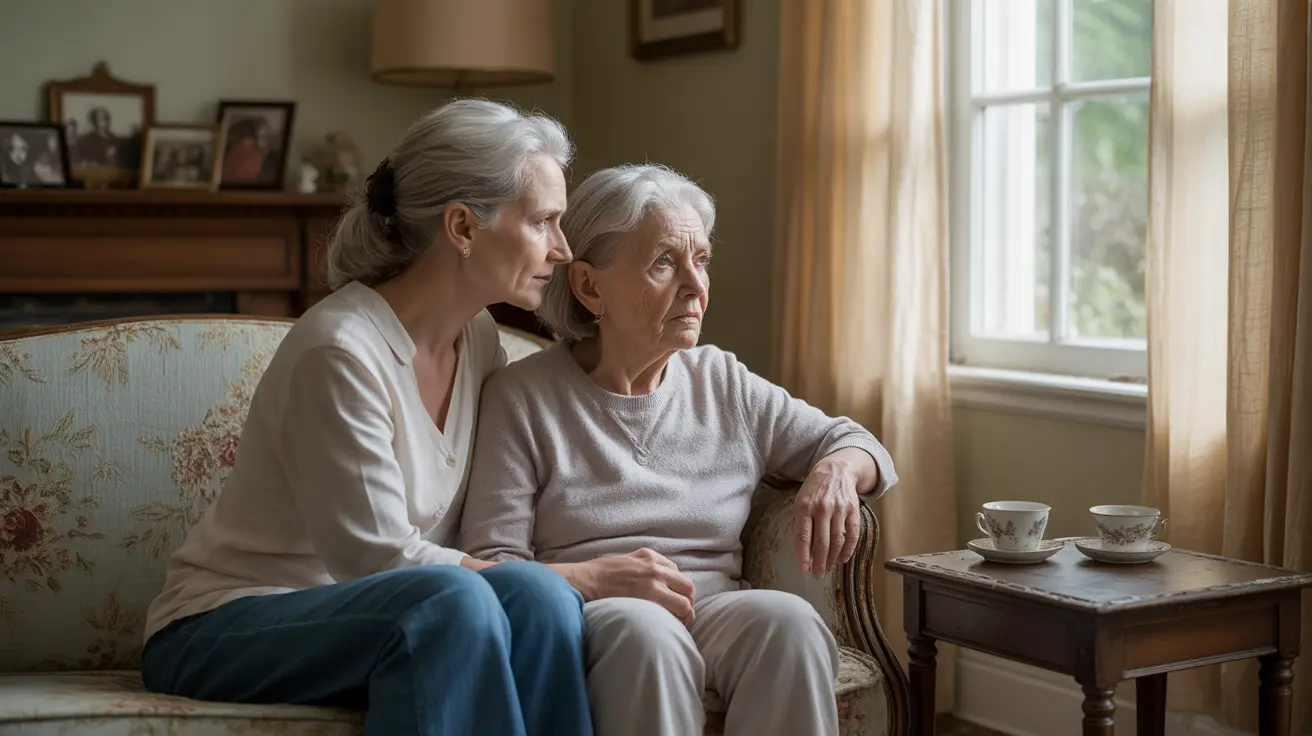
The early signs dementia presents can be subtle and easy to dismiss as normal ageing. You might have noticed your parent repeating questions, struggling with familiar tasks, or becoming confused about time and place. Early dementia symptoms develop gradually and often affect memory, thinking, and daily activities in ways that go beyond typical age-related changes. This guide explains what to look for and when these changes might indicate the need for a dementia diagnosis discussion with your parent's GP.
What are the early signs dementia actually looks like
Early dementia symptoms typically affect memory, thinking, and daily routines in ways that interfere with your parent's usual activities
Memory loss becomes more frequent and noticeable, particularly forgetting recent conversations, appointments, or important events. Your parent might repeat questions within minutes, struggle to follow familiar recipes, or become confused about time, dates, or familiar places.
Language difficulties often appear early, with your parent struggling to find common words or follow conversations.
These changes represent a shift from your parent's normal abilities rather than occasional forgetfulness
When memory loss becomes more than normal ageing
Normal ageing involves occasional forgetfulness, but dementia-related memory loss disrupts daily life and worsens over time
Typical age-related changes might include forgetting names occasionally or misplacing keys, then remembering later. Dementia-related memory loss involves forgetting recent conversations entirely, asking the same questions repeatedly, or losing items in unusual places like putting milk in the cupboard.
Your parent might forget how to do tasks they’ve done for decades, like operating familiar appliances or managing their finances.
The key difference lies in how these changes affect your parent's independence and safety
What this means for you
Document specific examples of concerning changes you've noticed, including dates and circumstances. Book a GP appointment if memory loss interferes with daily activities, safety, or independence. Prepare for the appointment by listing your observations and any family history of dementia. The GP can arrange memory tests and refer to specialist services if needed. Early recognition allows for better planning and access to support services.
GP referral process for dementia
Frequently asked questions
- What are the first signs of dementia in elderly parents
- The first signs typically include frequent repetition of questions, difficulty completing familiar tasks, confusion about time or place, and problems with language or finding words. Changes in mood, personality, or judgement may also occur early in the process.
- When should I be worried about my parent's memory loss
- Be concerned when memory loss interferes with daily activities, safety, or independence. If your parent forgets important information repeatedly, gets lost in familiar places, or struggles with tasks they've always managed easily, contact their GP.
- How do I know if it's dementia or normal ageing
- Normal ageing involves occasional forgetfulness with eventual recall, while dementia causes persistent memory problems that worsen over time. Dementia affects judgment, problem-solving, and the ability to perform familiar tasks, not just memory.
- What should I do if I suspect my parent has early dementia
- Document specific examples of concerning changes and book an appointment with your parent's GP. Prepare a list of symptoms you've observed and bring any relevant family history information. The GP can assess your parent and arrange appropriate referrals if needed.
- Can early signs of dementia be reversed or treated
- While dementia itself cannot be reversed, early diagnosis allows for treatments that may slow progression and improve quality of life. Some causes of dementia-like symptoms, such as vitamin deficiencies or medication effects, can be treated effectively.