
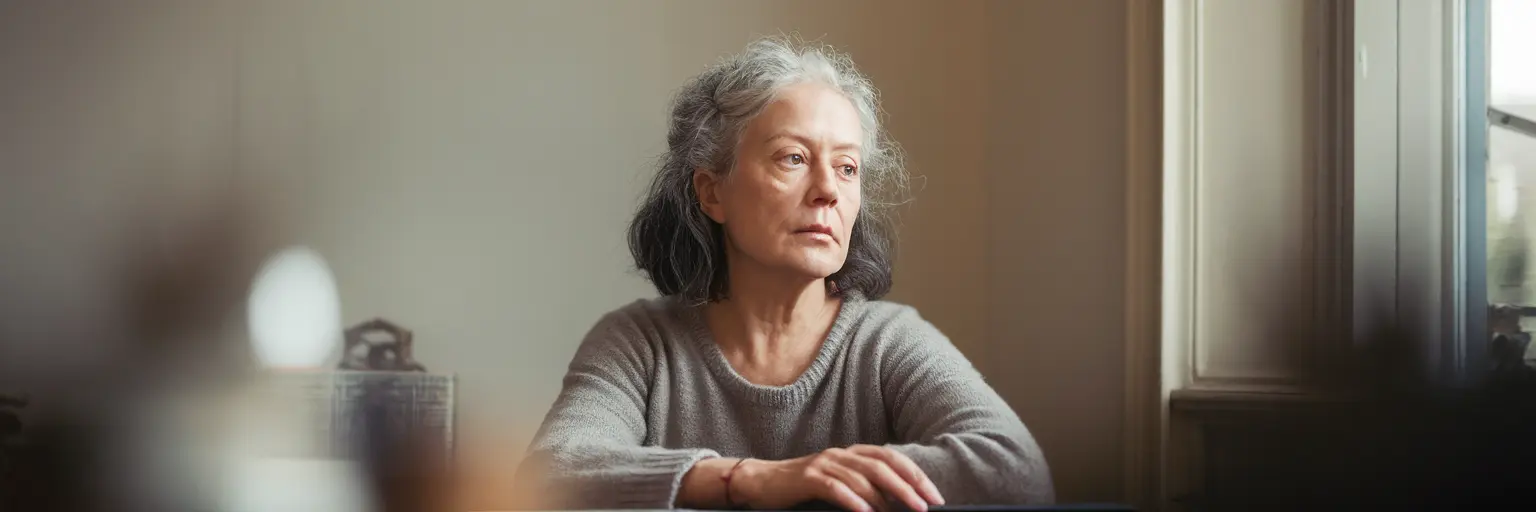
Older woman gazing thoughtfully by window indoors

Dementia medication: what it can do, what it can't, and why the answer depends on the diagnosis

There is no single best medication for all types of dementia. Some medicines may help with symptoms such as memory, attention, or behaviour, but they do not cure the condition. The right choice depends on the diagnosis, stage, and side effects. Some people benefit from medicines used to support thinking, while others need treatment for agitation, anxiety, depression, or sleep problems. A doctor should review all medicines carefully, because some drugs can make confusion worse. Non-drug support is also a major part of care.

Frequently Asked Questions Related to Diagnosis

Diagnosed in your 80s: what the prognosis actually looks like and why the range is so wide

read this FAQ

Life expectancy with dementia — why there's no useful average, and what to ask instead

read this FAQ

Dementia medication: what it can do, what it can't, and why the answer depends on the diagnosis

read this FAQ

The fears that come with dementia — and why the dark is harder than the day

read this FAQ

Does your parent know what's happening to them? The answer changes at every stage

read this FAQ

You can't guarantee prevention. But these habits meaningfully lower the risk

read this FAQ

The steps that genuinely reduce dementia risk — and the ones that don't do as much as claimed

read this FAQ

There is no cure for dementia. Here's what treatment can — and honestly can't — do

read this FAQ
We use cookies in order to give you the best possible experience on our website. By continuing to use this site, you agree to our use of cookies.
Accept