Barchester – Wheatlands Care Home
At a Glance
The information you need to decide whether this home warrants a closer look.
Residential homes
Staff warmth score
of reviewers answered yes
Good to know
- Registered beds53
- SpecialismsCaring for adults over 65 yrs, Dementia
- Last inspected2022-12-16
Save Barchester – Wheatlands Care Home to your shortlist
Keep a running list, add visit notes, and compare homes side-by-side. Free account — it takes a minute.
STAGE 4 — RESEARCHING CARE HOMES
Visit homes. Compare them side by side. Choose with confidence.
Most of us will view care homes the way we view houses, impression, atmosphere, the feeling in the corridor. We go home, try to remember what we saw, and make a permanent decision from a blurred memory.

The DCC shortlist gives every home you visit a structured record: the same twelve questions, answered the same way, every time. When you’re ready to choose, pull any two homes side by side and compare them directly. Same criteria, same evidence, your notes and your scores.
The Evidence
What the review data, the inspection reports, and the dementia-care evidence base tell us about this home.
What families say
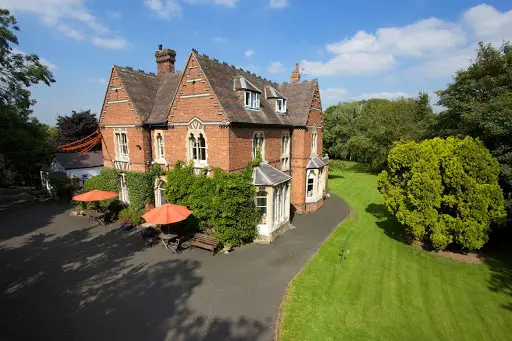
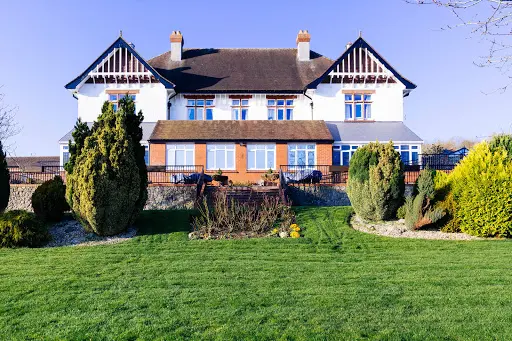
Families describe feeling genuinely welcomed when they visit, with staff who are friendly and approachable. The atmosphere feels relaxed and comfortable, with natural light and country views adding to the pleasant environment. Residents seem engaged in their daily activities, whether joining in planned events or simply enjoying social time together.
The eight family priority themes
- Staff warmth72
- Compassion & dignity72
- Cleanliness70
- Activities & engagement65
- Food quality65
- Healthcare68
- Management & leadership72
- Resident happiness70
What inspectors found
Inspected 2022-12-16
Is this home safe?
Is the care effective?
The Effective domain was rated Good at the November 2022 inspection. The published summary does not include specific findings about care plan content, GP access, medication management, dementia training, or food provision at Wheatlands. The rating indicates inspectors found the home met the standard for effective care on the day of the visit. Wheatlands is registered as a dementia specialism provider, which implies some level of relevant staff training and environmental adaptation, but the inspection text does not describe these in detail.Is this home caring?
The Caring domain was rated Good at the November 2022 inspection. The published summary does not include direct inspector observations of staff interactions, quotes from residents or relatives about kindness or dignity, or descriptions of how staff respond to distress in the dementia unit. The Good rating indicates inspectors found care to be of an acceptable standard. No concerns about dignity or respect are flagged in the published findings.Is the home responsive?
The Responsive domain was rated Good at the November 2022 inspection. The published summary does not describe the activities programme, individual engagement for residents with advanced dementia, how the home responds to changing needs, or end-of-life care planning at Wheatlands. The Good rating confirms the inspection team found the home to be meeting its obligations in this domain. No specific evidence of the quality or variety of daily life is included in the published findings.Is the home well-led?
The Well-led domain was rated Good at the November 2022 inspection. A named registered manager, Miss Lea-Ann Jane Littler, is in post, and Mr Dominic Jude Kay is the nominated individual for the provider, Barchester Healthcare Homes Limited. The published summary does not describe the manager's visibility on the floor, staff culture, governance processes, or how the home handles complaints and feedback. The Good rating indicates the inspection found acceptable leadership and oversight on the day.
Source: CQC inspection report →
What the evidence base says
The home cares for adults over 65, with particular expertise in dementia support. Staff demonstrate genuine skill in supporting residents through dementia's progression, adjusting their approach as needs evolve. The focus remains on maintaining each person's sense of self and dignity, recognizing what brings them comfort and joy despite cognitive changes. All areas worth probing directly during a visit.
The DCC Verdict
Our editorial view, built from the three lenses: what families tell us, what inspectors record, and how the home sits against good dementia-care practice.
DCC Family Score
Wheatlands holds a Good rating across all five inspection domains, which is a positive baseline, but the published report contains limited specific observations, quotes, or detail to score above the mid-range with confidence. The scores reflect genuine positivity tempered by thin evidence.
Homes in West Midlands typically score 68–82.The three-lens summary
What families tell us
Families describe feeling genuinely welcomed when they visit, with staff who are friendly and approachable. The atmosphere feels relaxed and comfortable, with natural light and country views adding to the pleasant environment. Residents seem engaged in their daily activities, whether joining in planned events or simply enjoying social time together.
What inspectors have recorded
Staff show real understanding of how residents' needs change over time, especially as dementia progresses. They adapt care plans thoughtfully, always keeping sight of what matters to each individual. Families appreciate the regular updates about their loved ones, including photos that capture moments of contentment and connection.
How it sits against good practice
In the heart of Much Wenlock, this home offers families reassurance that their loved ones will be known and valued as individuals.
Worth a visit
Wheatlands, on Southfield Road in Much Wenlock, was rated Good across all five inspection domains at its inspection in November 2022. A follow-up data review in July 2023 found nothing to prompt a reassessment of that rating. The home is registered for 53 beds and specialises in caring for older adults, including people with dementia. It is run by Barchester Healthcare and has a named registered manager in post. The main limitation here is that the published inspection summary is brief and does not contain the specific observations, resident or family quotes, or detail about daily life that would allow a fully confident picture. A Good rating is a meaningful baseline, but it tells you the home met the required standard on the day of inspection rather than describing what life there actually feels like. Before making a decision, visit the home, ask to spend time in a communal area at a mealtime, and work through the checklist questions above, particularly around night staffing numbers, dementia-specific training, agency staff usage, and one-to-one activities for residents who cannot join group sessions.
The three questions to ask when you visitSave this home. Compare it against your shortlist.
Let our analysis show you how Barchester – Wheatlands Care Home measures up against the other homes you’re considering. Free account.
In Their Own Words
How Barchester – Wheatlands Care Home describes itself — collected from its own website. DCC has not edited or independently verified the content in this tab.
Where dignity and connection guide every day's care
Dedicated residential home Support in Much Wenlock
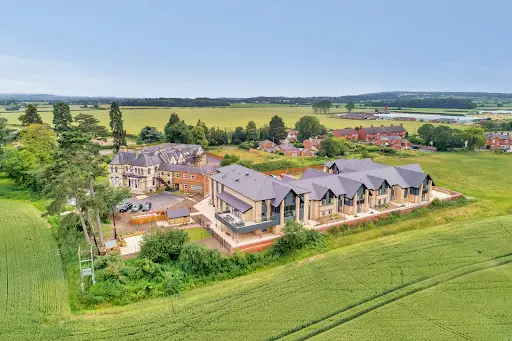
For families facing dementia's challenges, finding care that sees the person behind the condition matters deeply. Wheatlands in Much Wenlock offers that kind of thoughtful support, where staff take time to learn what makes each resident unique. Set in the West Midlands countryside, this home creates a comfortable environment where older adults receive attentive care.
Who they care for
The home cares for adults over 65, with particular expertise in dementia support.
Staff demonstrate genuine skill in supporting residents through dementia's progression, adjusting their approach as needs evolve. The focus remains on maintaining each person's sense of self and dignity, recognizing what brings them comfort and joy despite cognitive changes.
“In the heart of Much Wenlock, this home offers families reassurance that their loved ones will be known and valued as individuals.”
DCC does not edit or curate content in this tab. For independently curated information, see The Evidence and DCC Verdict.
The DCC Verdict
Our editorial view, built from the three lenses: what families tell us, what inspectors record, and how the home sits against good dementia-care practice.
DCC Family Score
Wheatlands holds a Good rating across all five inspection domains, which is a positive baseline, but the published report contains limited specific observations, quotes, or detail to score above the mid-range with confidence. The scores reflect genuine positivity tempered by thin evidence.
Homes in West Midlands typically score 68–82.The three-lens summary
What families tell us
Families describe feeling genuinely welcomed when they visit, with staff who are friendly and approachable. The atmosphere feels relaxed and comfortable, with natural light and country views adding to the pleasant environment. Residents seem engaged in their daily activities, whether joining in planned events or simply enjoying social time together.
What inspectors have recorded
Staff show real understanding of how residents' needs change over time, especially as dementia progresses. They adapt care plans thoughtfully, always keeping sight of what matters to each individual. Families appreciate the regular updates about their loved ones, including photos that capture moments of contentment and connection.
How it sits against good practice
In the heart of Much Wenlock, this home offers families reassurance that their loved ones will be known and valued as individuals.
Worth a visit
Wheatlands, on Southfield Road in Much Wenlock, was rated Good across all five inspection domains at its inspection in November 2022. A follow-up data review in July 2023 found nothing to prompt a reassessment of that rating. The home is registered for 53 beds and specialises in caring for older adults, including people with dementia. It is run by Barchester Healthcare and has a named registered manager in post. The main limitation here is that the published inspection summary is brief and does not contain the specific observations, resident or family quotes, or detail about daily life that would allow a fully confident picture. A Good rating is a meaningful baseline, but it tells you the home met the required standard on the day of inspection rather than describing what life there actually feels like. Before making a decision, visit the home, ask to spend time in a communal area at a mealtime, and work through the checklist questions above, particularly around night staffing numbers, dementia-specific training, agency staff usage, and one-to-one activities for residents who cannot join group sessions.
The three questions to ask when you visitSave this home. Compare it against your shortlist.
Let our analysis show you how Barchester – Wheatlands Care Home measures up against the other homes you’re considering. Free account.
In Their Own Words
How Barchester – Wheatlands Care Home describes itself — collected from its own website. DCC has not edited or independently verified the content in this tab.
Where dignity and connection guide every day's care
Dedicated residential home Support in Much Wenlock
For families facing dementia's challenges, finding care that sees the person behind the condition matters deeply. Wheatlands in Much Wenlock offers that kind of thoughtful support, where staff take time to learn what makes each resident unique. Set in the West Midlands countryside, this home creates a comfortable environment where older adults receive attentive care.
Who they care for
The home cares for adults over 65, with particular expertise in dementia support.
Staff demonstrate genuine skill in supporting residents through dementia's progression, adjusting their approach as needs evolve. The focus remains on maintaining each person's sense of self and dignity, recognizing what brings them comfort and joy despite cognitive changes.
Management & ethos
Staff show real understanding of how residents' needs change over time, especially as dementia progresses. They adapt care plans thoughtfully, always keeping sight of what matters to each individual. Families appreciate the regular updates about their loved ones, including photos that capture moments of contentment and connection.
The home & environment
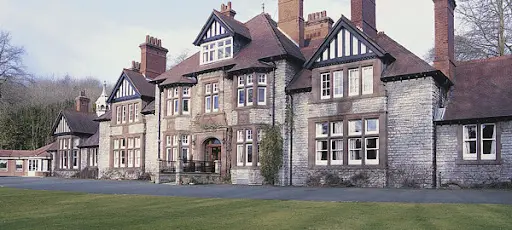
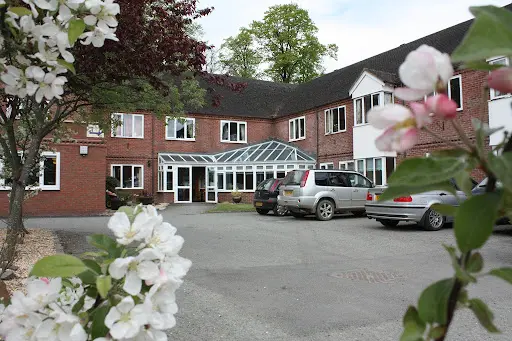
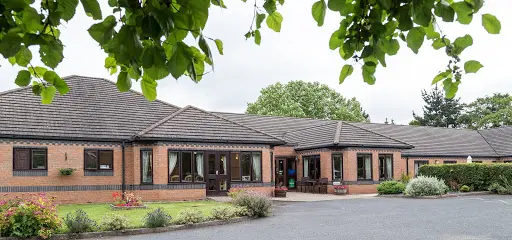
The home maintains clean, well-kept spaces that families find reassuring. Views of the surrounding countryside bring a sense of calm to the setting. Regular activities keep residents engaged throughout the week, with visiting professionals also providing additional programs.
“In the heart of Much Wenlock, this home offers families reassurance that their loved ones will be known and valued as individuals.”
DCC does not edit or curate content in this tab. For independently curated information, see The Evidence and DCC Verdict.