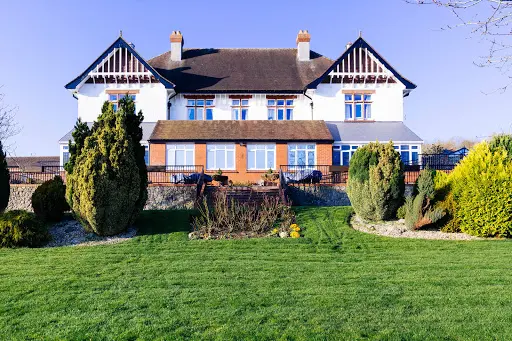
Briarfields
At a Glance
The information you need to decide whether this home warrants a closer look.
Residential homes
Staff warmth score
of reviewers answered yes
Good to know
- Registered beds43
- SpecialismsCaring for adults over 65 yrs, Caring for adults under 65 yrs, Dementia, Sensory impairment
- Last inspected2019-01-22
Save Briarfields to your shortlist
Keep a running list, add visit notes, and compare homes side-by-side. Free account — it takes a minute.
STAGE 4 — RESEARCHING CARE HOMES
Visit homes. Compare them side by side. Choose with confidence.
Most of us will view care homes the way we view houses, impression, atmosphere, the feeling in the corridor. We go home, try to remember what we saw, and make a permanent decision from a blurred memory.

The DCC shortlist gives every home you visit a structured record: the same twelve questions, answered the same way, every time. When you’re ready to choose, pull any two homes side by side and compare them directly. Same criteria, same evidence, your notes and your scores.
The Evidence
What the review data, the inspection reports, and the dementia-care evidence base tell us about this home.
What families say
Visitors often comment on the authentic warmth between staff and residents. They notice how team members engage with real interest, treating each person as an individual worth knowing. The atmosphere feels relaxed yet purposeful, with plenty going on to keep days interesting.
The eight family priority themes
- Staff warmth72
- Compassion & dignity72
- Cleanliness70
- Activities & engagement65
- Food quality65
- Healthcare68
- Management & leadership72
- Resident happiness70
What inspectors found
Inspected 2019-01-22
Is this home safe?
Is the care effective?
The Effective domain was rated Good at the December 2018 inspection. This domain covers care planning, staff training, GP access, and whether the home meets people's healthcare and nutritional needs. Dementia is listed as a specialism, which means inspectors would have looked at whether staff training was appropriate for that group. No specific training content, care plan examples, or food quality observations are reproduced in the published summary.Is this home caring?
The Caring domain was rated Good at the December 2018 inspection. This is the domain that covers staff warmth, dignity, respect, and whether people retain as much independence as possible. No direct quotes from residents or relatives, and no specific inspector observations about how staff interact with people, are reproduced in the published summary. The rating itself is the only evidence available from this inspection.Is the home responsive?
The Responsive domain was rated Good at the December 2018 inspection. This domain covers whether the home tailors its offer to individuals, including activities, how it handles complaints, and end-of-life care. No specific activity programme detail, individual engagement examples, or information about complaints handling appears in the published summary. Dementia and sensory impairment are listed specialisms, which means inspectors would have considered whether the home's response to these needs was adequate.Is the home well-led?
The Well-led domain was rated Good at the December 2018 inspection. A registered manager, Ms Sarah Evans, and a nominated individual, Mrs Deborah Jane Price, are named in the registration record. The home is operated by Coverage Care Services Limited. No specific observations about management visibility, staff culture, quality auditing, or how the home acts on feedback appear in the published summary.
Source: CQC inspection report →
What the evidence base says
Briarfields supports people with sensory impairments and welcomes both younger adults under 65 and older residents. The home provides specialized dementia care alongside general residential support. The team understands that dementia affects everyone differently. They work to maintain familiarity and routine while adapting their approach to each person's changing needs. All areas worth probing directly during a visit.
The DCC Verdict
Our editorial view, built from the three lenses: what families tell us, what inspectors record, and how the home sits against good dementia-care practice.
DCC Family Score
Briarfields received a Good rating across all five domains at its December 2018 inspection, which is a solid foundation, but the published report text contains very little specific detail or direct observation. Scores reflect that positive finding without the granular evidence needed to push higher.
Homes in West Midlands typically score 68–82.The three-lens summary
What families tell us
Visitors often comment on the authentic warmth between staff and residents. They notice how team members engage with real interest, treating each person as an individual worth knowing. The atmosphere feels relaxed yet purposeful, with plenty going on to keep days interesting.
What inspectors have recorded
Staff show consistent respect in their approach, maintaining dignity even in challenging moments. Families appreciate the comprehensive support offered, with team members who understand the importance of keeping relatives involved and informed.
How it sits against good practice
Sometimes the best measure of a care home is in those small, everyday moments of genuine connection.
Worth a visit
Briarfields on Raby Crescent in Shrewsbury was rated Good across all five inspection domains at its most recent inspection in December 2018, with the published report confirmed as still reflecting the home's position following a review of available data in July 2023. The home is registered to care for adults over and under 65, including people living with dementia and sensory impairment, and is run by Coverage Care Services Limited with a named registered manager in post. The main uncertainty here is the age of the inspection. The last full on-site inspection took place over six years ago, and the published summary contains very little specific detail about what inspectors actually observed. You should treat the Good rating as a starting point rather than a complete picture, and use a visit to fill the gaps. Ask to see the current staffing rota for day and night shifts, find out how activities are tailored for people with dementia who cannot join group sessions, and check how the home communicates with families when something changes in your parent's condition.
The three questions to ask when you visitSave this home. Compare it against your shortlist.
Let our analysis show you how Briarfields measures up against the other homes you’re considering. Free account.
In Their Own Words
How Briarfields describes itself — collected from its own website. DCC has not edited or independently verified the content in this tab.
Where dignity and genuine connections shape each day in Shrewsbury
Briarfields – Expert Care in Shrewsbury
There's something reassuring about watching staff and residents share genuine moments of connection throughout the day. At Briarfields in Shrewsbury, families describe a place where respect isn't just policy — it's visible in every interaction. The home welcomes people with various needs, including those living with dementia and sensory impairments.
Who they care for
Briarfields supports people with sensory impairments and welcomes both younger adults under 65 and older residents. The home provides specialized dementia care alongside general residential support.
The team understands that dementia affects everyone differently. They work to maintain familiarity and routine while adapting their approach to each person's changing needs.
“Sometimes the best measure of a care home is in those small, everyday moments of genuine connection.”
DCC does not edit or curate content in this tab. For independently curated information, see The Evidence and DCC Verdict.
The DCC Verdict
Our editorial view, built from the three lenses: what families tell us, what inspectors record, and how the home sits against good dementia-care practice.
DCC Family Score
Briarfields received a Good rating across all five domains at its December 2018 inspection, which is a solid foundation, but the published report text contains very little specific detail or direct observation. Scores reflect that positive finding without the granular evidence needed to push higher.
Homes in West Midlands typically score 68–82.The three-lens summary
What families tell us
Visitors often comment on the authentic warmth between staff and residents. They notice how team members engage with real interest, treating each person as an individual worth knowing. The atmosphere feels relaxed yet purposeful, with plenty going on to keep days interesting.
What inspectors have recorded
Staff show consistent respect in their approach, maintaining dignity even in challenging moments. Families appreciate the comprehensive support offered, with team members who understand the importance of keeping relatives involved and informed.
How it sits against good practice
Sometimes the best measure of a care home is in those small, everyday moments of genuine connection.
Worth a visit
Briarfields on Raby Crescent in Shrewsbury was rated Good across all five inspection domains at its most recent inspection in December 2018, with the published report confirmed as still reflecting the home's position following a review of available data in July 2023. The home is registered to care for adults over and under 65, including people living with dementia and sensory impairment, and is run by Coverage Care Services Limited with a named registered manager in post. The main uncertainty here is the age of the inspection. The last full on-site inspection took place over six years ago, and the published summary contains very little specific detail about what inspectors actually observed. You should treat the Good rating as a starting point rather than a complete picture, and use a visit to fill the gaps. Ask to see the current staffing rota for day and night shifts, find out how activities are tailored for people with dementia who cannot join group sessions, and check how the home communicates with families when something changes in your parent's condition.
The three questions to ask when you visitSave this home. Compare it against your shortlist.
Let our analysis show you how Briarfields measures up against the other homes you’re considering. Free account.
In Their Own Words
How Briarfields describes itself — collected from its own website. DCC has not edited or independently verified the content in this tab.
Where dignity and genuine connections shape each day in Shrewsbury
Briarfields – Expert Care in Shrewsbury
There's something reassuring about watching staff and residents share genuine moments of connection throughout the day. At Briarfields in Shrewsbury, families describe a place where respect isn't just policy — it's visible in every interaction. The home welcomes people with various needs, including those living with dementia and sensory impairments.
Who they care for
Briarfields supports people with sensory impairments and welcomes both younger adults under 65 and older residents. The home provides specialized dementia care alongside general residential support.
The team understands that dementia affects everyone differently. They work to maintain familiarity and routine while adapting their approach to each person's changing needs.
Management & ethos
Staff show consistent respect in their approach, maintaining dignity even in challenging moments. Families appreciate the comprehensive support offered, with team members who understand the importance of keeping relatives involved and informed.
The home & environment
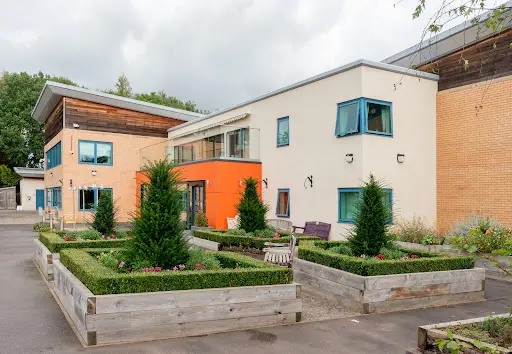
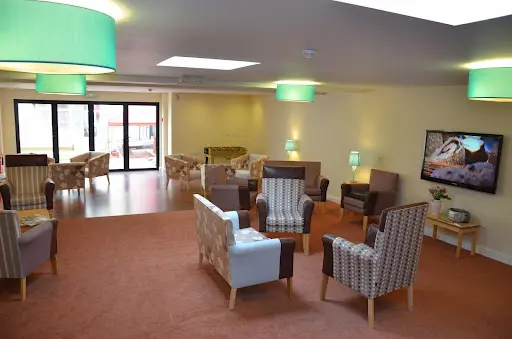
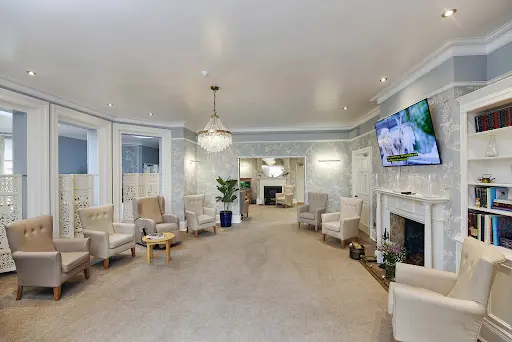
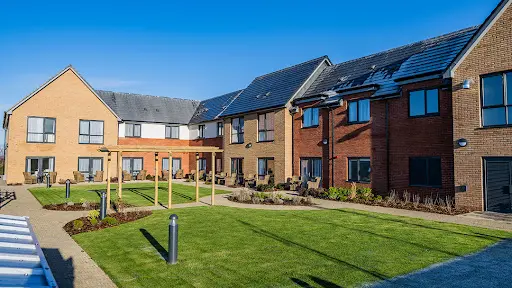
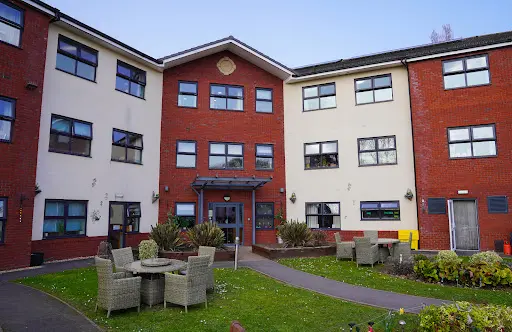
The living spaces offer comfort and choice, with varied menus that cater to different preferences. Activities are woven into daily life, giving residents options for how they spend their time. The environment supports both social moments and quieter spaces when needed.
“Sometimes the best measure of a care home is in those small, everyday moments of genuine connection.”
DCC does not edit or curate content in this tab. For independently curated information, see The Evidence and DCC Verdict.