The Hamptons Care Home

At a Glance
The information you need to decide whether this home warrants a closer look.
Residential homes
Staff warmth score
of reviewers answered yes
Good to know
- Registered beds30
- SpecialismsCaring for adults over 65 yrs, Dementia
- Last inspected2023-02-08
Save The Hamptons Care Home to your shortlist
Keep a running list, add visit notes, and compare homes side-by-side. Free account — it takes a minute.
STAGE 4 — RESEARCHING CARE HOMES
Visit homes. Compare them side by side. Choose with confidence.
Most of us will view care homes the way we view houses, impression, atmosphere, the feeling in the corridor. We go home, try to remember what we saw, and make a permanent decision from a blurred memory.

The DCC shortlist gives every home you visit a structured record: the same twelve questions, answered the same way, every time. When you’re ready to choose, pull any two homes side by side and compare them directly. Same criteria, same evidence, your notes and your scores.
The Evidence
What the review data, the inspection reports, and the dementia-care evidence base tell us about this home.
What families say
Visitors often mention how staff take time with residents here. Whether it's coaxing someone through a meal or simply sitting quietly when words aren't needed, there's a gentleness that families notice. The activities programme keeps days purposeful too — some residents enjoy it so much they've chosen to extend their stays.
The eight family priority themes
- Staff warmth75
- Compassion & dignity75
- Cleanliness70
- Activities & engagement60
- Food quality60
- Healthcare65
- Management & leadership45
- Resident happiness70
What inspectors found
Inspected 2023-02-08
Is this home safe?
Is the care effective?
The Effective domain was rated Good at the December 2022 inspection. This domain covers whether staff have the skills and training to meet residents' needs, whether care plans are kept up to date, whether people have access to healthcare professionals, and whether food and hydration needs are met. No specific detail about training content, care plan quality, GP access frequency, or meal provision was included in the published inspection text. The home's specialism in dementia care means inspectors would have assessed whether staff training was specific to dementia, though the findings do not confirm what that training covered.Is this home caring?
The Caring domain was rated Good at the December 2022 inspection. This domain covers whether staff treat people with kindness, dignity, and respect, and whether residents' independence is supported. A Good rating here is a meaningful positive signal, as inspectors assess this through direct observation of staff-resident interactions and by speaking with residents and relatives. However, the published inspection text includes no specific observations, quotes, or examples that would allow a more detailed picture of what caring looks like day to day in this home.Is the home responsive?
The Responsive domain was rated Good at the December 2022 inspection. This domain covers whether the home provides activities and social engagement, whether care is personalised to individual preferences, and whether complaints are handled well. The home's specialism in dementia care means inspectors would have assessed whether activities are adapted for people at different stages of dementia, including those who cannot participate in group sessions. No specific detail about the activities programme, individual engagement, or complaints handling was included in the published inspection text.Is the home well-led?
The Well-led domain was rated Requires Improvement at the December 2022 inspection. This is the one domain that did not meet the Good standard, and it covers whether the home has effective management, a culture of openness, good governance, and whether it learns from mistakes. A registered manager (Miss Kathleen Margaret Wilkins) and a nominated individual (Mr Robin Hampton-Cornforth) are both recorded as in post. The published inspection text does not specify which governance areas were found lacking, which makes it difficult to assess how serious the concerns were or whether they have since been addressed. This is the most important area to probe directly.
Source: CQC inspection report →
What the evidence base says
The Hamptons specialises in caring for adults over 65, with particular expertise in dementia support. For residents living with dementia, the team's patient approach becomes even more vital. Staff understand the importance of routine, gentle encouragement, and maintaining dignity when someone's world becomes confusing. All areas worth probing directly during a visit.
The DCC Verdict
Our editorial view, built from the three lenses: what families tell us, what inspectors record, and how the home sits against good dementia-care practice.
DCC Family Score
The home scores well for care and kindness, where inspection findings were positive across the board, but the Requires Improvement rating in well-led pulls the overall score down and means you should look carefully at management stability and governance before making a decision.
Homes in West Midlands typically score 68–82.The three-lens summary
What families tell us
Visitors often mention how staff take time with residents here. Whether it's coaxing someone through a meal or simply sitting quietly when words aren't needed, there's a gentleness that families notice. The activities programme keeps days purposeful too — some residents enjoy it so much they've chosen to extend their stays.
What inspectors have recorded
The management team stays closely connected with families, particularly during those crucial early days after admission. They're quick to update relatives on how someone's settling in, and families describe them as approachable and responsive. When urgent admissions arise from hospital, they work to accommodate these transitions smoothly.
How it sits against good practice
Some concerns have been raised about heating systems and staff training consistency. These deserve a frank conversation when you visit.
Worth a visit
The Hamptons Retirement Home Ltd in Walsall was rated Good overall at its most recent inspection, carried out in December 2022 and published in February 2023. Four of the five inspection domains, covering safety, effectiveness, caring, and responsiveness, were all rated Good. A registered manager and nominated individual are both in post, and the home specialises in dementia care for adults over 65. The one area requiring attention is the Well-led domain, which was rated Requires Improvement. This is a meaningful flag for families because leadership quality predicts how well everything else holds up over time. The published inspection text does not include specific findings, quotes, or detail about what drove any of the domain ratings, so there is a significant gap between the headline and the detail. Before making a decision, visit in person, ask to speak with the manager, and use the checklist questions below to fill in what the published report leaves unanswered.
The three questions to ask when you visitSave this home. Compare it against your shortlist.
Let our analysis show you how The Hamptons Care Home measures up against the other homes you’re considering. Free account.
In Their Own Words
How The Hamptons Care Home describes itself — collected from its own website. DCC has not edited or independently verified the content in this tab.
Patient, dignified care through life's final chapters in Walsall
The Hamptons Retirement Home Ltd – Your Trusted residential home
When families face the heartbreak of watching someone fade, the smallest kindnesses matter most. The Hamptons Retirement Home in Walsall understands this deeply. Their approach centres on patience and presence — sitting with residents who need encouragement to eat, staying close during difficult nights, keeping families informed every step of the way.
Who they care for
The Hamptons specialises in caring for adults over 65, with particular expertise in dementia support.
For residents living with dementia, the team's patient approach becomes even more vital. Staff understand the importance of routine, gentle encouragement, and maintaining dignity when someone's world becomes confusing.
“Some concerns have been raised about heating systems and staff training consistency. These deserve a frank conversation when you visit.”
DCC does not edit or curate content in this tab. For independently curated information, see The Evidence and DCC Verdict.
The DCC Verdict
Our editorial view, built from the three lenses: what families tell us, what inspectors record, and how the home sits against good dementia-care practice.
DCC Family Score
The home scores well for care and kindness, where inspection findings were positive across the board, but the Requires Improvement rating in well-led pulls the overall score down and means you should look carefully at management stability and governance before making a decision.
Homes in West Midlands typically score 68–82.The three-lens summary
What families tell us
Visitors often mention how staff take time with residents here. Whether it's coaxing someone through a meal or simply sitting quietly when words aren't needed, there's a gentleness that families notice. The activities programme keeps days purposeful too — some residents enjoy it so much they've chosen to extend their stays.
What inspectors have recorded
The management team stays closely connected with families, particularly during those crucial early days after admission. They're quick to update relatives on how someone's settling in, and families describe them as approachable and responsive. When urgent admissions arise from hospital, they work to accommodate these transitions smoothly.
How it sits against good practice
Some concerns have been raised about heating systems and staff training consistency. These deserve a frank conversation when you visit.
Worth a visit
The Hamptons Retirement Home Ltd in Walsall was rated Good overall at its most recent inspection, carried out in December 2022 and published in February 2023. Four of the five inspection domains, covering safety, effectiveness, caring, and responsiveness, were all rated Good. A registered manager and nominated individual are both in post, and the home specialises in dementia care for adults over 65. The one area requiring attention is the Well-led domain, which was rated Requires Improvement. This is a meaningful flag for families because leadership quality predicts how well everything else holds up over time. The published inspection text does not include specific findings, quotes, or detail about what drove any of the domain ratings, so there is a significant gap between the headline and the detail. Before making a decision, visit in person, ask to speak with the manager, and use the checklist questions below to fill in what the published report leaves unanswered.
The three questions to ask when you visitSave this home. Compare it against your shortlist.
Let our analysis show you how The Hamptons Care Home measures up against the other homes you’re considering. Free account.
In Their Own Words
How The Hamptons Care Home describes itself — collected from its own website. DCC has not edited or independently verified the content in this tab.
Patient, dignified care through life's final chapters in Walsall
The Hamptons Retirement Home Ltd – Your Trusted residential home
When families face the heartbreak of watching someone fade, the smallest kindnesses matter most. The Hamptons Retirement Home in Walsall understands this deeply. Their approach centres on patience and presence — sitting with residents who need encouragement to eat, staying close during difficult nights, keeping families informed every step of the way.
Who they care for
The Hamptons specialises in caring for adults over 65, with particular expertise in dementia support.
For residents living with dementia, the team's patient approach becomes even more vital. Staff understand the importance of routine, gentle encouragement, and maintaining dignity when someone's world becomes confusing.
Management & ethos
The management team stays closely connected with families, particularly during those crucial early days after admission. They're quick to update relatives on how someone's settling in, and families describe them as approachable and responsive. When urgent admissions arise from hospital, they work to accommodate these transitions smoothly.
The home & environment
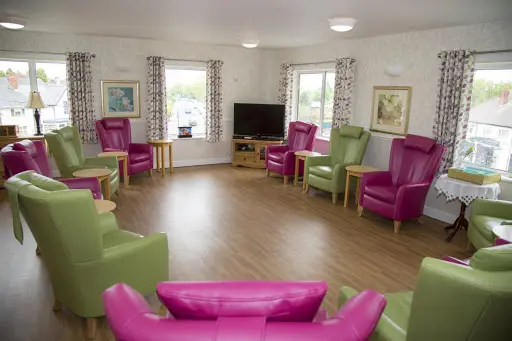
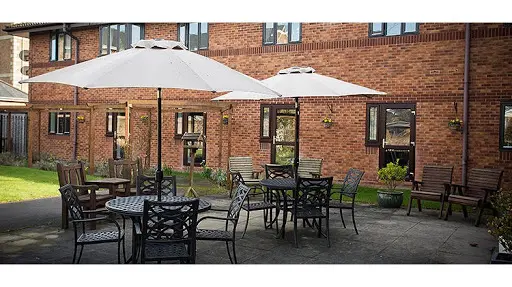
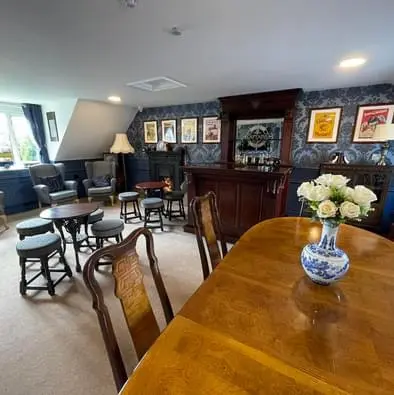
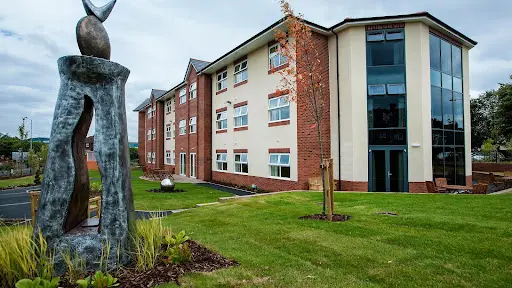
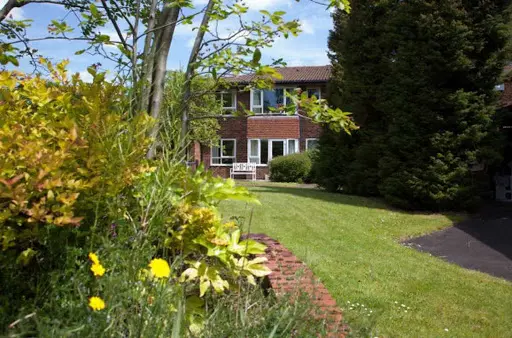
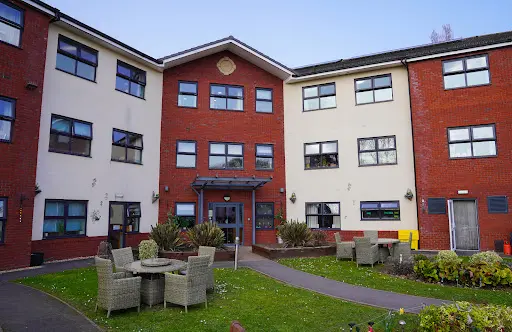
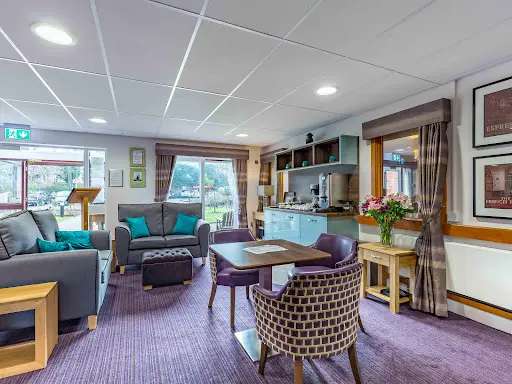
The home runs a full calendar of activities designed to keep residents engaged mentally and physically. Families can join their loved ones for meals on-site, sharing lunch together in a normal, everyday way.
“Some concerns have been raised about heating systems and staff training consistency. These deserve a frank conversation when you visit.”
DCC does not edit or curate content in this tab. For independently curated information, see The Evidence and DCC Verdict.