Cliffdale

At a Glance
The information you need to decide whether this home warrants a closer look.
Residential homes
Staff warmth score
of reviewers answered yes
Good to know
- Registered beds27
- SpecialismsCaring for adults over 65 yrs, Dementia
- Last inspected2020-04-25
Save Cliffdale to your shortlist
Keep a running list, add visit notes, and compare homes side-by-side. Free account — it takes a minute.
STAGE 4 — RESEARCHING CARE HOMES
Visit homes. Compare them side by side. Choose with confidence.
Most of us will view care homes the way we view houses, impression, atmosphere, the feeling in the corridor. We go home, try to remember what we saw, and make a permanent decision from a blurred memory.

The DCC shortlist gives every home you visit a structured record: the same twelve questions, answered the same way, every time. When you’re ready to choose, pull any two homes side by side and compare them directly. Same criteria, same evidence, your notes and your scores.
The Evidence
What the review data, the inspection reports, and the dementia-care evidence base tell us about this home.
What families say
Families describe finding their relatives content and engaged, whether joining in exercise sessions, playing games, or simply enjoying the social atmosphere. The transition into residential care — often the hardest part — seems to happen more naturally here, with new residents quickly feeling at ease.
The eight family priority themes
- Staff warmth55
- Compassion & dignity55
- Cleanliness55
- Activities & engagement50
- Food quality50
- Healthcare55
- Management & leadership45
- Resident happiness55
What inspectors found
Inspected 2020-04-25
Is this home safe?
Is the care effective?
The Effective domain was rated Good at the March 2020 inspection. This domain covers training, care planning, nutrition, health monitoring, and access to healthcare professionals such as GPs and community nurses. The home specialises in dementia care, so effective practice should include dementia-specific training and care plans that reflect individual histories and preferences. No specific detail about training content, care plan structure, or healthcare access is recorded in the published summary.Is this home caring?
The Caring domain was rated Good at the March 2020 inspection. This domain covers staff warmth, dignity, respect, and whether residents retain as much independence as possible. For a home specialising in dementia care, Caring also includes how staff communicate with people who may have limited verbal ability and how they recognise and respond to emotional distress. No specific inspector observations, resident quotes, or relative testimony are recorded in the published inspection summary.Is the home responsive?
The Responsive domain was rated Good at the March 2020 inspection. This domain covers activities, individual engagement, whether care responds to changing needs, and end-of-life planning. For people living with dementia, responsiveness includes whether activities are tailored to the individual rather than offered only in groups, and whether the home adapts its approach as someone's condition progresses. No specific detail about the activity programme, individual engagement, or end-of-life planning is recorded in the published summary.Is the home well-led?
The Well-led domain was rated Requires Improvement at the March 2020 inspection. This is the only domain not rated Good, and it means inspectors identified concerns about management oversight, governance, or the culture of the home that were not resolved at the time of inspection. A named registered manager, Mrs Tamiko Suzanne Hanmer, is listed, alongside a nominated individual, Dr Gaurav Chaudhary. A monitoring review conducted in July 2023 did not find evidence requiring a reassessment of the rating. No specific detail about the nature of the leadership concerns is recorded in the published summary.
Source: CQC inspection report →
What the evidence base says
Cliffdale specialises in dementia care alongside general residential support for adults over 65. The home's approach to dementia care focuses on maintaining residents' engagement and wellbeing, with staff trained to support people through different stages of the condition. Activities and social opportunities are adapted to ensure everyone can participate meaningfully. All areas worth probing directly during a visit.
The DCC Verdict
Our editorial view, built from the three lenses: what families tell us, what inspectors record, and how the home sits against good dementia-care practice.
DCC Family Score
Cliffdale Rest Home scores 72 out of 100. Four of the five inspection domains were rated Good, which is encouraging, but the leadership domain remains Requires Improvement and the published inspection text contains very little specific detail to reassure families about day-to-day life.
Homes in West Midlands typically score 68–82.The three-lens summary
What families tell us
Families describe finding their relatives content and engaged, whether joining in exercise sessions, playing games, or simply enjoying the social atmosphere. The transition into residential care — often the hardest part — seems to happen more naturally here, with new residents quickly feeling at ease.
What inspectors have recorded
The leadership at Cliffdale has created a culture where staff take time to engage properly with residents and visitors. Carers show genuine interest in the people they look after, responding promptly when needed and maintaining a professional yet warm approach that families appreciate.
How it sits against good practice
For families facing difficult decisions about care, Cliffdale offers reassurance through its consistent track record of helping residents not just cope, but actually enjoy their days.
Worth a visit
Cliffdale Rest Home, on Shrewsbury Road in Shropshire, was rated Good overall at its last inspection in March 2020, an improvement from its previous rating of Requires Improvement. Four of the five domains, covering safety, effectiveness, caring, and responsiveness, were rated Good. The home cares for up to 27 adults over 65, including people living with dementia, and has a named registered manager in post. The main uncertainty is the Well-led domain, which was rated Requires Improvement at the most recent inspection. This means inspectors identified concerns about management, oversight, or governance that were not yet resolved. The inspection took place in March 2020, which is now over five years ago, so the picture may have changed in either direction. A review in July 2023 found no evidence to change the rating, but a review is not a full inspection. When you visit, ask specifically what improvements were made following the 2020 leadership concerns and request evidence that those changes have been sustained.
The three questions to ask when you visitSave this home. Compare it against your shortlist.
Let our analysis show you how Cliffdale measures up against the other homes you’re considering. Free account.
In Their Own Words
How Cliffdale describes itself — collected from its own website. DCC has not edited or independently verified the content in this tab.
Where settling in feels natural and residents genuinely thrive
Cliffdale Rest Home – Your Trusted residential home
Walking into Cliffdale Rest Home in Shrewsbury, families often notice something different — residents chatting with carers who actually stop to listen, not just rushing through tasks. This West Midlands care home has built its reputation on helping people settle quickly into their new surroundings, with several families surprised by how smoothly their loved ones adjusted.
Who they care for
Cliffdale specialises in dementia care alongside general residential support for adults over 65.
The home's approach to dementia care focuses on maintaining residents' engagement and wellbeing, with staff trained to support people through different stages of the condition. Activities and social opportunities are adapted to ensure everyone can participate meaningfully.
“For families facing difficult decisions about care, Cliffdale offers reassurance through its consistent track record of helping residents not just cope, but actually enjoy their days.”
DCC does not edit or curate content in this tab. For independently curated information, see The Evidence and DCC Verdict.
The DCC Verdict
Our editorial view, built from the three lenses: what families tell us, what inspectors record, and how the home sits against good dementia-care practice.
DCC Family Score
Cliffdale Rest Home scores 72 out of 100. Four of the five inspection domains were rated Good, which is encouraging, but the leadership domain remains Requires Improvement and the published inspection text contains very little specific detail to reassure families about day-to-day life.
Homes in West Midlands typically score 68–82.The three-lens summary
What families tell us
Families describe finding their relatives content and engaged, whether joining in exercise sessions, playing games, or simply enjoying the social atmosphere. The transition into residential care — often the hardest part — seems to happen more naturally here, with new residents quickly feeling at ease.
What inspectors have recorded
The leadership at Cliffdale has created a culture where staff take time to engage properly with residents and visitors. Carers show genuine interest in the people they look after, responding promptly when needed and maintaining a professional yet warm approach that families appreciate.
How it sits against good practice
For families facing difficult decisions about care, Cliffdale offers reassurance through its consistent track record of helping residents not just cope, but actually enjoy their days.
Worth a visit
Cliffdale Rest Home, on Shrewsbury Road in Shropshire, was rated Good overall at its last inspection in March 2020, an improvement from its previous rating of Requires Improvement. Four of the five domains, covering safety, effectiveness, caring, and responsiveness, were rated Good. The home cares for up to 27 adults over 65, including people living with dementia, and has a named registered manager in post. The main uncertainty is the Well-led domain, which was rated Requires Improvement at the most recent inspection. This means inspectors identified concerns about management, oversight, or governance that were not yet resolved. The inspection took place in March 2020, which is now over five years ago, so the picture may have changed in either direction. A review in July 2023 found no evidence to change the rating, but a review is not a full inspection. When you visit, ask specifically what improvements were made following the 2020 leadership concerns and request evidence that those changes have been sustained.
The three questions to ask when you visitSave this home. Compare it against your shortlist.
Let our analysis show you how Cliffdale measures up against the other homes you’re considering. Free account.
In Their Own Words
How Cliffdale describes itself — collected from its own website. DCC has not edited or independently verified the content in this tab.
Where settling in feels natural and residents genuinely thrive
Cliffdale Rest Home – Your Trusted residential home
Walking into Cliffdale Rest Home in Shrewsbury, families often notice something different — residents chatting with carers who actually stop to listen, not just rushing through tasks. This West Midlands care home has built its reputation on helping people settle quickly into their new surroundings, with several families surprised by how smoothly their loved ones adjusted.
Who they care for
Cliffdale specialises in dementia care alongside general residential support for adults over 65.
The home's approach to dementia care focuses on maintaining residents' engagement and wellbeing, with staff trained to support people through different stages of the condition. Activities and social opportunities are adapted to ensure everyone can participate meaningfully.
Management & ethos
The leadership at Cliffdale has created a culture where staff take time to engage properly with residents and visitors. Carers show genuine interest in the people they look after, responding promptly when needed and maintaining a professional yet warm approach that families appreciate.
The home & environment
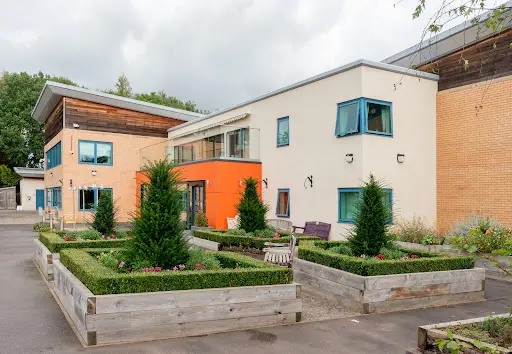
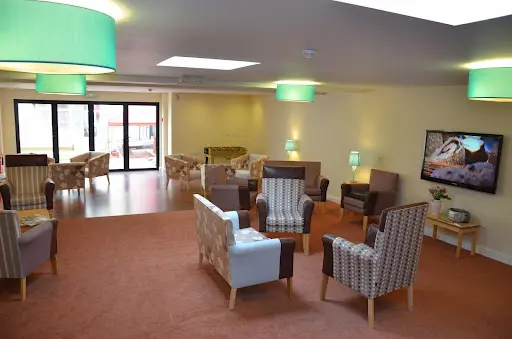
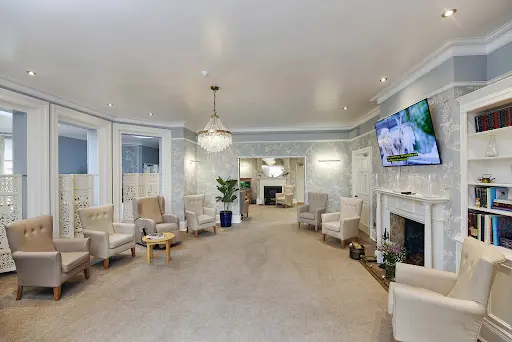
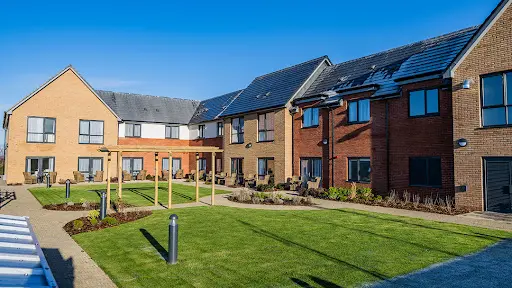
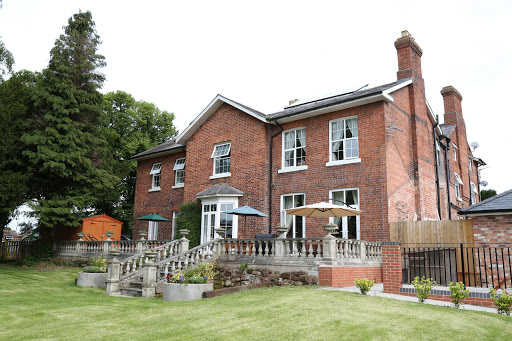
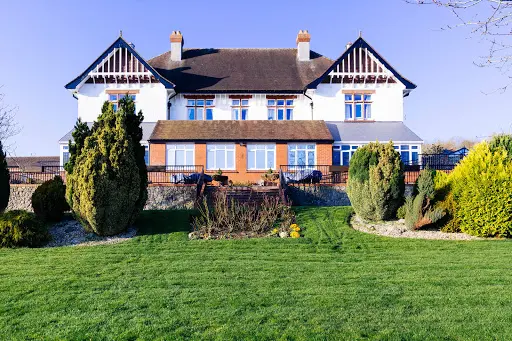
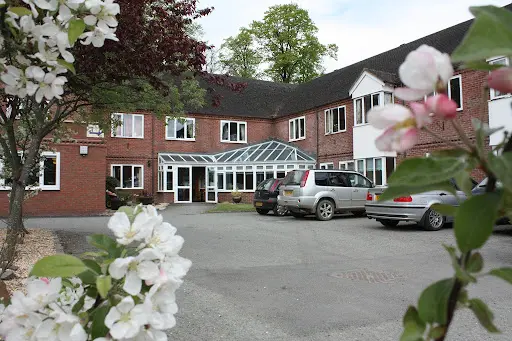
The home maintains consistently high standards of cleanliness and comfort, with families noting the warm, well-kept environment during visits spanning years. The living spaces feel properly cared for, creating a pleasant backdrop for daily life.
“For families facing difficult decisions about care, Cliffdale offers reassurance through its consistent track record of helping residents not just cope, but actually enjoy their days.”
DCC does not edit or curate content in this tab. For independently curated information, see The Evidence and DCC Verdict.