Montgomery House

At a Glance
The information you need to decide whether this home warrants a closer look.
Nursing homes
Staff warmth score
of reviewers answered yes
Good to know
- Registered beds90
- SpecialismsCaring for adults over 65 yrs, Caring for adults under 65 yrs, Dementia, Physical disabilities, Sensory impairment
- Last inspected2019-08-31
Save Montgomery House to your shortlist
Keep a running list, add visit notes, and compare homes side-by-side. Free account — it takes a minute.
STAGE 4 — RESEARCHING CARE HOMES
Visit homes. Compare them side by side. Choose with confidence.
Most of us will view care homes the way we view houses, impression, atmosphere, the feeling in the corridor. We go home, try to remember what we saw, and make a permanent decision from a blurred memory.

The DCC shortlist gives every home you visit a structured record: the same twelve questions, answered the same way, every time. When you’re ready to choose, pull any two homes side by side and compare them directly. Same criteria, same evidence, your notes and your scores.
The Evidence
What the review data, the inspection reports, and the dementia-care evidence base tell us about this home.
What families say
Families with loved ones in the Haughmond and Caradoc units speak warmly about the staff there. They describe carers who take time to build genuine relationships with residents and keep families involved in their care. The atmosphere in these specialist areas feels settled, with some residents making the home their long-term base.
The eight family priority themes
- Staff warmth55
- Compassion & dignity58
- Cleanliness55
- Activities & engagement50
- Food quality50
- Healthcare55
- Management & leadership42
- Resident happiness55
What inspectors found
Inspected 2019-08-31
Is this home safe?
Is the care effective?
The Effective domain was rated Good at the March 2022 inspection. This domain covers training, care plans, healthcare access, and food. The published inspection summary does not include specific observations about any of these areas for Montgomery House. The home lists dementia, physical disabilities, and sensory impairment as specialisms, which means staff training in these areas should be robust and up to date.Is this home caring?
The Caring domain was rated Good at the March 2022 inspection. This covers staff warmth, dignity, respect, and whether people are treated as individuals. The published summary does not include specific inspector observations, resident quotes, or family feedback about the quality of interactions at Montgomery House. The Good rating indicates inspectors were satisfied, but the level of evidence behind that rating is not visible in the published text.Is the home responsive?
The Responsive domain was rated Good at the March 2022 inspection. This domain covers activities, individual engagement, and whether the home responds to each person's preferences and needs, including at the end of life. The published inspection summary contains no specific detail about the activities programme, individual engagement, or end-of-life planning at Montgomery House.Is the home well-led?
The Well-led domain was rated Requires Improvement at the March 2022 inspection. This is the one domain that did not improve to Good. A registered manager, Miss Rhea Lyn Paller, and a nominated individual, Mrs Deborah Jane Price, are named and in post. The published summary does not detail the specific governance or leadership concerns that led to the Requires Improvement rating. This rating means inspectors found the leadership and management of the home did not fully meet the standard expected.
Source: CQC inspection report →
What the evidence base says
The home cares for adults of all ages with physical disabilities and sensory impairments, alongside dementia support. Each unit seems to have its own focus, with some areas particularly set up for specific needs. For dementia care, experiences seem to depend heavily on which unit someone is in. While the specialist units maintain good standards, families have raised concerns about dementia knowledge and training in other areas, particularly around recognising signs like dehydration and managing personal care needs. All areas worth probing directly during a visit.
The DCC Verdict
Our editorial view, built from the three lenses: what families tell us, what inspectors record, and how the home sits against good dementia-care practice.
DCC Family Score
Montgomery House has improved from Requires Improvement to Good across four of five inspection domains, which is a meaningful step forward. However, the Well-led domain still requires improvement, and the inspection report contains very limited specific detail, so many scores reflect a lack of evidence rather than a lack of quality.
Homes in West Midlands typically score 68–82.The three-lens summary
What families tell us
Families with loved ones in the Haughmond and Caradoc units speak warmly about the staff there. They describe carers who take time to build genuine relationships with residents and keep families involved in their care. The atmosphere in these specialist areas feels settled, with some residents making the home their long-term base.
What inspectors have recorded
Communication with management seems to be a mixed experience. While managers come across as reassuring in meetings, some families feel that promised improvements don't always materialise. The home appears to rely quite heavily on agency staff, which can affect how consistent the care feels from shift to shift.
How it sits against good practice
If you're considering Montgomery House, it's worth asking specifically about which unit would suit your loved one and what training the staff there have received.
Worth a visit
Montgomery House, on Sundorne Road in Shrewsbury, was rated Good overall at its most recent inspection in March 2022, published in April 2022. This is a meaningful improvement from its previous rating of Requires Improvement, and four of the five inspection domains (Safe, Effective, Caring, and Responsive) were all rated Good. The home is a large nursing home with 90 beds, run by Coverage Care Services Limited, and cares for people over and under 65, including people with dementia, physical disabilities, and sensory impairment. The main concern to weigh carefully is that the Well-led domain was still rated Requires Improvement at this inspection. Leadership and governance quality predict the trajectory of a care home over time, and this rating suggests the manager and provider had not yet fully embedded the improvements seen elsewhere. The published inspection summary contains very little specific detail, which means many questions about daily life, including food, activities, staffing ratios, and dementia-specific care, cannot be answered from the inspection text alone. On a visit, ask to speak with the registered manager, ask to see last week's actual staffing rota, and pay close attention to how staff interact with residents in corridors and communal areas, particularly whether they move without hurry and use people's preferred names.
The three questions to ask when you visitSave this home. Compare it against your shortlist.
Let our analysis show you how Montgomery House measures up against the other homes you’re considering. Free account.
In Their Own Words
How Montgomery House describes itself — collected from its own website. DCC has not edited or independently verified the content in this tab.
Specialist units shine while consistency varies across this Shrewsbury home
Compassionate Care in Shrewsbury at Montgomery House
Montgomery House in Shrewsbury offers care across several specialist units, each with its own character and approach. The home supports people with sensory impairments, physical disabilities and dementia, welcoming both younger adults and those over 65. While some units receive particularly warm praise from families, experiences can vary depending on where your loved one stays.
Who they care for
The home cares for adults of all ages with physical disabilities and sensory impairments, alongside dementia support. Each unit seems to have its own focus, with some areas particularly set up for specific needs.
For dementia care, experiences seem to depend heavily on which unit someone is in. While the specialist units maintain good standards, families have raised concerns about dementia knowledge and training in other areas, particularly around recognising signs like dehydration and managing personal care needs.
“If you're considering Montgomery House, it's worth asking specifically about which unit would suit your loved one and what training the staff there have received.”
DCC does not edit or curate content in this tab. For independently curated information, see The Evidence and DCC Verdict.
The DCC Verdict
Our editorial view, built from the three lenses: what families tell us, what inspectors record, and how the home sits against good dementia-care practice.
DCC Family Score
Montgomery House has improved from Requires Improvement to Good across four of five inspection domains, which is a meaningful step forward. However, the Well-led domain still requires improvement, and the inspection report contains very limited specific detail, so many scores reflect a lack of evidence rather than a lack of quality.
Homes in West Midlands typically score 68–82.The three-lens summary
What families tell us
Families with loved ones in the Haughmond and Caradoc units speak warmly about the staff there. They describe carers who take time to build genuine relationships with residents and keep families involved in their care. The atmosphere in these specialist areas feels settled, with some residents making the home their long-term base.
What inspectors have recorded
Communication with management seems to be a mixed experience. While managers come across as reassuring in meetings, some families feel that promised improvements don't always materialise. The home appears to rely quite heavily on agency staff, which can affect how consistent the care feels from shift to shift.
How it sits against good practice
If you're considering Montgomery House, it's worth asking specifically about which unit would suit your loved one and what training the staff there have received.
Worth a visit
Montgomery House, on Sundorne Road in Shrewsbury, was rated Good overall at its most recent inspection in March 2022, published in April 2022. This is a meaningful improvement from its previous rating of Requires Improvement, and four of the five inspection domains (Safe, Effective, Caring, and Responsive) were all rated Good. The home is a large nursing home with 90 beds, run by Coverage Care Services Limited, and cares for people over and under 65, including people with dementia, physical disabilities, and sensory impairment. The main concern to weigh carefully is that the Well-led domain was still rated Requires Improvement at this inspection. Leadership and governance quality predict the trajectory of a care home over time, and this rating suggests the manager and provider had not yet fully embedded the improvements seen elsewhere. The published inspection summary contains very little specific detail, which means many questions about daily life, including food, activities, staffing ratios, and dementia-specific care, cannot be answered from the inspection text alone. On a visit, ask to speak with the registered manager, ask to see last week's actual staffing rota, and pay close attention to how staff interact with residents in corridors and communal areas, particularly whether they move without hurry and use people's preferred names.
The three questions to ask when you visitSave this home. Compare it against your shortlist.
Let our analysis show you how Montgomery House measures up against the other homes you’re considering. Free account.
In Their Own Words
How Montgomery House describes itself — collected from its own website. DCC has not edited or independently verified the content in this tab.
Specialist units shine while consistency varies across this Shrewsbury home
Compassionate Care in Shrewsbury at Montgomery House
Montgomery House in Shrewsbury offers care across several specialist units, each with its own character and approach. The home supports people with sensory impairments, physical disabilities and dementia, welcoming both younger adults and those over 65. While some units receive particularly warm praise from families, experiences can vary depending on where your loved one stays.
Who they care for
The home cares for adults of all ages with physical disabilities and sensory impairments, alongside dementia support. Each unit seems to have its own focus, with some areas particularly set up for specific needs.
For dementia care, experiences seem to depend heavily on which unit someone is in. While the specialist units maintain good standards, families have raised concerns about dementia knowledge and training in other areas, particularly around recognising signs like dehydration and managing personal care needs.
Management & ethos
Communication with management seems to be a mixed experience. While managers come across as reassuring in meetings, some families feel that promised improvements don't always materialise. The home appears to rely quite heavily on agency staff, which can affect how consistent the care feels from shift to shift.
The home & environment
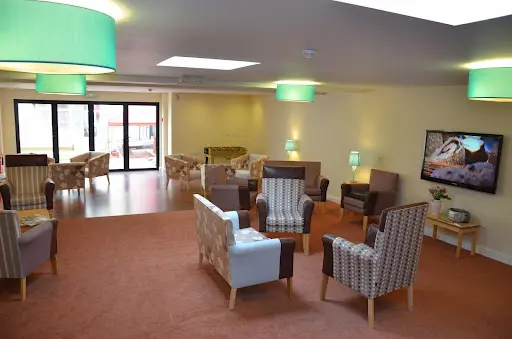
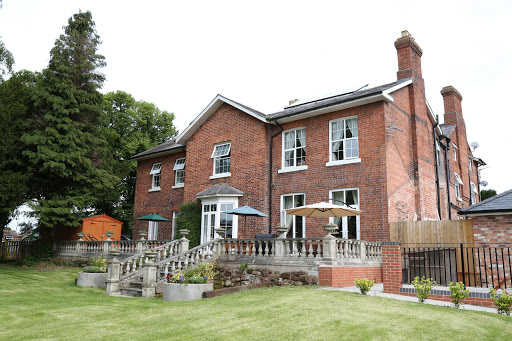
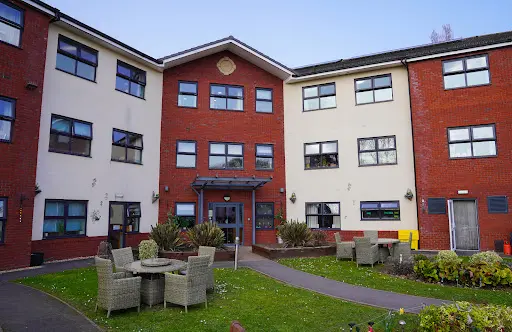
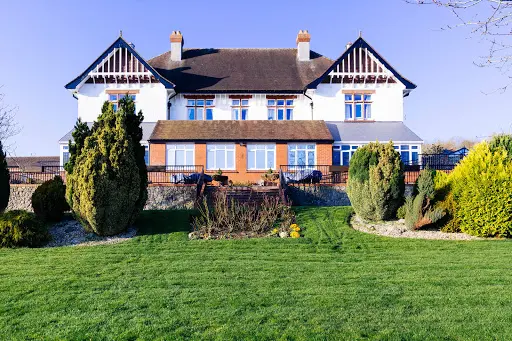
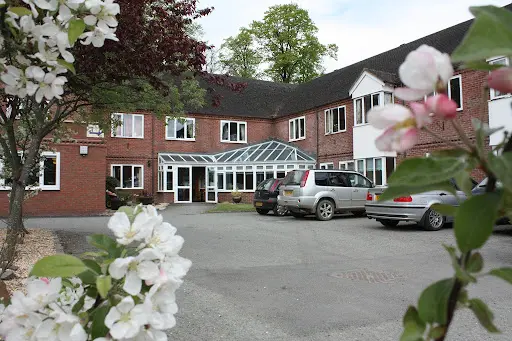
The building itself gets consistent praise — families describe bright, clean spaces with good equipment and room to move around. There are secure gardens and the home feels modern and well-maintained. The physical environment seems to work well for people with different mobility needs.
“If you're considering Montgomery House, it's worth asking specifically about which unit would suit your loved one and what training the staff there have received.”
DCC does not edit or curate content in this tab. For independently curated information, see The Evidence and DCC Verdict.