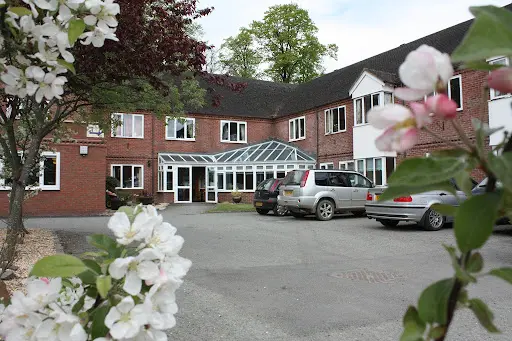
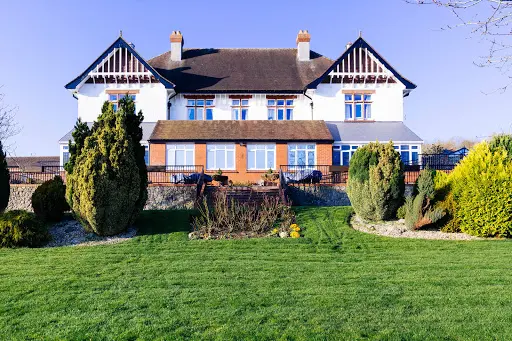
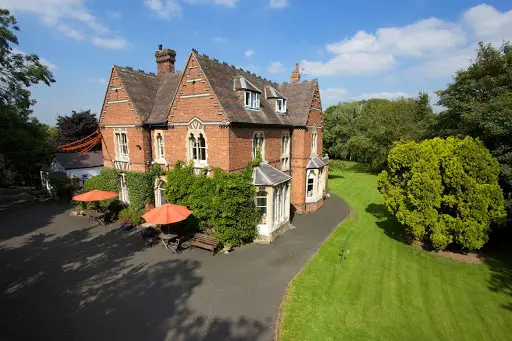
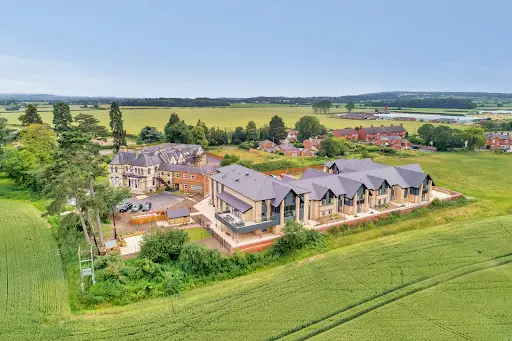
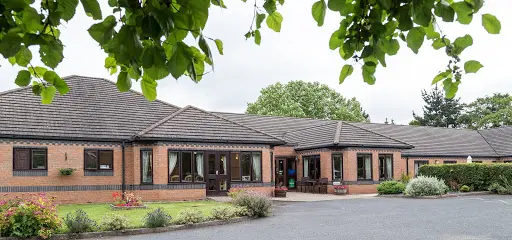
Four Rivers Nursing Home
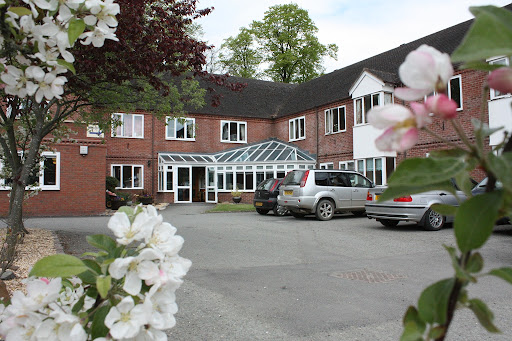
At a Glance
The information you need to decide whether this home warrants a closer look.
Nursing homes
Staff warmth score
of reviewers answered yes
Good to know
- Registered beds40
- SpecialismsCaring for adults over 65 yrs, Dementia
- Last inspected2019-05-22
Save Four Rivers Nursing Home to your shortlist
Keep a running list, add visit notes, and compare homes side-by-side. Free account — it takes a minute.
STAGE 4 — RESEARCHING CARE HOMES
Visit homes. Compare them side by side. Choose with confidence.
Most of us will view care homes the way we view houses, impression, atmosphere, the feeling in the corridor. We go home, try to remember what we saw, and make a permanent decision from a blurred memory.

The DCC shortlist gives every home you visit a structured record: the same twelve questions, answered the same way, every time. When you’re ready to choose, pull any two homes side by side and compare them directly. Same criteria, same evidence, your notes and your scores.
The Evidence
What the review data, the inspection reports, and the dementia-care evidence base tell us about this home.
What families say
Families describe feeling genuine relief when their relatives settle here. The emotional burden of watching a parent decline is eased by knowing they're receiving attentive, dignified care. Relatives speak of confidence restored and the comfort of seeing their loved ones supported through vulnerable times.
The eight family priority themes
- Staff warmth55
- Compassion & dignity55
- Cleanliness55
- Activities & engagement50
- Food quality50
- Healthcare55
- Management & leadership60
- Resident happiness55
What inspectors found
Inspected 2019-05-22
Is this home safe?
Is the care effective?
The Effective domain was rated Good at the April 2019 inspection. This domain covers whether staff have the skills and training to care well, whether care plans are personalised and regularly reviewed, whether healthcare access — including GP visits and medicines management — is well organised, and whether nutrition and hydration needs are properly met. Dementia is listed as a specialism, which implies an expectation of dementia-specific training and care approaches. No specific examples of training content, care plan quality, GP access frequency, or food provision are available in the published inspection summary.Is this home caring?
The Caring domain was rated Good at the April 2019 inspection. This domain covers whether staff treat residents with warmth, compassion, dignity, and respect — including how they communicate, whether residents are rushed, whether privacy is upheld, and whether independence is encouraged. Staff warmth is the single highest-weighted theme in our family review data at 57.3%, making this the domain families care most about. Unfortunately, the published inspection summary contains no specific observations of staff interactions, no resident or relative quotes, and no examples of dignified or compassionate care being witnessed by inspectors.Is the home responsive?
The Responsive domain was rated Good at the April 2019 inspection. This domain covers whether the home tailors its care and activities to individual needs and preferences, whether complaints are handled well, and whether end-of-life care is planned and compassionate. No specific details about the activities programme, individual engagement approaches, or end-of-life care practices are available in the published inspection summary. For a home specialising in dementia, responsiveness to individual identity — including life history, preferences, and meaningful occupation — is a central quality marker.Is the home well-led?
The Well-led domain was rated Good at the April 2019 inspection, and the overall improvement from Requires Improvement to Good across all domains suggests that management led a genuine recovery between the two inspections. The registered manager at the time of inspection was Mrs Christine Thomas, with Mr Daniel Powner listed as nominated individual. The home is run by Shropshire Council, a local authority provider — which carries different accountability structures than a private operator. No specific detail about leadership style, staff culture, governance processes, or how the home monitors quality is available in the published summary.
Source: CQC inspection report →
What the evidence base says
The home provides specialist dementia care alongside general nursing for adults over 65. Their experience with complex conditions includes supporting residents with Parkinson's disease through to end of life. The team's dementia expertise extends to managing the progression of the condition alongside other health challenges. Staff show understanding of how dementia intersects with physical decline, providing integrated care that addresses both cognitive and nursing needs. All areas worth probing directly during a visit.
The DCC Verdict
Our editorial view, built from the three lenses: what families tell us, what inspectors record, and how the home sits against good dementia-care practice.
DCC Family Score
Four Rivers Nursing Home achieved a Good rating across all five domains in 2019, an encouraging improvement from its previous Requires Improvement, but the publicly available inspection text contains very little specific detail — meaning the score reflects confirmed improvement without the granular evidence families need to feel fully confident.
Homes in West Midlands typically score 68–82.The three-lens summary
What families tell us
Families describe feeling genuine relief when their relatives settle here. The emotional burden of watching a parent decline is eased by knowing they're receiving attentive, dignified care. Relatives speak of confidence restored and the comfort of seeing their loved ones supported through vulnerable times.
What inspectors have recorded
The nursing team demonstrates particular skill in end-of-life care, with families noting how staff support both residents and relatives through terminal illness. There's a thread of continuity here, with senior staff maintaining standards over many years. This stability seems to create an environment where long-stay residents can feel secure.
How it sits against good practice
Four Rivers offers something precious — skilled nursing care that families can trust during life's most difficult transitions.
Worth a visit
Four Rivers Nursing Home, run by Shropshire Council in Ludlow, was rated Good across all five inspection domains when assessed in April 2019 — a meaningful step up from its previous Requires Improvement rating. That improvement trajectory matters: it suggests a management team that identified problems and fixed them. The home specialises in dementia care and nursing for people over 65, and with 40 beds it is a mid-sized home where individual recognition is more feasible than in larger settings. The honest caveat is significant: the inspection is now over six years old, and the published summary contains very little specific detail — no resident quotes, no staff observations, no activity examples, no staffing numbers. A Good rating in 2019 tells you the home was on the right track at that moment, but it cannot tell you what daily life looks like today. Before making a decision, visit in person and ask directly: how many permanent staff work on the dementia unit after 8pm, what does a typical Tuesday afternoon look like for someone who cannot join group activities, and how will the team keep you informed if your parent's condition changes?
The three questions to ask when you visitSave this home. Compare it against your shortlist.
Let our analysis show you how Four Rivers Nursing Home measures up against the other homes you’re considering. Free account.
In Their Own Words
How Four Rivers Nursing Home describes itself — collected from its own website. DCC has not edited or independently verified the content in this tab.
Where skilled nursing meets genuine compassion in life's final chapters
Compassionate Care in Ludlow at Four Rivers Nursing Home
When families face their loved one's final journey, the care they receive matters more than ever. Four Rivers Nursing Home in Ludlow provides skilled nursing support that helps relatives navigate terminal illness with dignity. The home specialises in dementia care alongside general nursing for older adults, with staff who understand the complexity of conditions like Parkinson's disease.
Who they care for
The home provides specialist dementia care alongside general nursing for adults over 65. Their experience with complex conditions includes supporting residents with Parkinson's disease through to end of life.
The team's dementia expertise extends to managing the progression of the condition alongside other health challenges. Staff show understanding of how dementia intersects with physical decline, providing integrated care that addresses both cognitive and nursing needs.
“Four Rivers offers something precious — skilled nursing care that families can trust during life's most difficult transitions.”
DCC does not edit or curate content in this tab. For independently curated information, see The Evidence and DCC Verdict.
The DCC Verdict
Our editorial view, built from the three lenses: what families tell us, what inspectors record, and how the home sits against good dementia-care practice.
DCC Family Score
Four Rivers Nursing Home achieved a Good rating across all five domains in 2019, an encouraging improvement from its previous Requires Improvement, but the publicly available inspection text contains very little specific detail — meaning the score reflects confirmed improvement without the granular evidence families need to feel fully confident.
Homes in West Midlands typically score 68–82.The three-lens summary
What families tell us
Families describe feeling genuine relief when their relatives settle here. The emotional burden of watching a parent decline is eased by knowing they're receiving attentive, dignified care. Relatives speak of confidence restored and the comfort of seeing their loved ones supported through vulnerable times.
What inspectors have recorded
The nursing team demonstrates particular skill in end-of-life care, with families noting how staff support both residents and relatives through terminal illness. There's a thread of continuity here, with senior staff maintaining standards over many years. This stability seems to create an environment where long-stay residents can feel secure.
How it sits against good practice
Four Rivers offers something precious — skilled nursing care that families can trust during life's most difficult transitions.
Worth a visit
Four Rivers Nursing Home, run by Shropshire Council in Ludlow, was rated Good across all five inspection domains when assessed in April 2019 — a meaningful step up from its previous Requires Improvement rating. That improvement trajectory matters: it suggests a management team that identified problems and fixed them. The home specialises in dementia care and nursing for people over 65, and with 40 beds it is a mid-sized home where individual recognition is more feasible than in larger settings. The honest caveat is significant: the inspection is now over six years old, and the published summary contains very little specific detail — no resident quotes, no staff observations, no activity examples, no staffing numbers. A Good rating in 2019 tells you the home was on the right track at that moment, but it cannot tell you what daily life looks like today. Before making a decision, visit in person and ask directly: how many permanent staff work on the dementia unit after 8pm, what does a typical Tuesday afternoon look like for someone who cannot join group activities, and how will the team keep you informed if your parent's condition changes?
The three questions to ask when you visitSave this home. Compare it against your shortlist.
Let our analysis show you how Four Rivers Nursing Home measures up against the other homes you’re considering. Free account.
In Their Own Words
How Four Rivers Nursing Home describes itself — collected from its own website. DCC has not edited or independently verified the content in this tab.
Where skilled nursing meets genuine compassion in life's final chapters
Compassionate Care in Ludlow at Four Rivers Nursing Home
When families face their loved one's final journey, the care they receive matters more than ever. Four Rivers Nursing Home in Ludlow provides skilled nursing support that helps relatives navigate terminal illness with dignity. The home specialises in dementia care alongside general nursing for older adults, with staff who understand the complexity of conditions like Parkinson's disease.
Who they care for
The home provides specialist dementia care alongside general nursing for adults over 65. Their experience with complex conditions includes supporting residents with Parkinson's disease through to end of life.
The team's dementia expertise extends to managing the progression of the condition alongside other health challenges. Staff show understanding of how dementia intersects with physical decline, providing integrated care that addresses both cognitive and nursing needs.
Management & ethos
The nursing team demonstrates particular skill in end-of-life care, with families noting how staff support both residents and relatives through terminal illness. There's a thread of continuity here, with senior staff maintaining standards over many years. This stability seems to create an environment where long-stay residents can feel secure.
“Four Rivers offers something precious — skilled nursing care that families can trust during life's most difficult transitions.”
DCC does not edit or curate content in this tab. For independently curated information, see The Evidence and DCC Verdict.