Attendance Allowance – Financial Support for Dementia
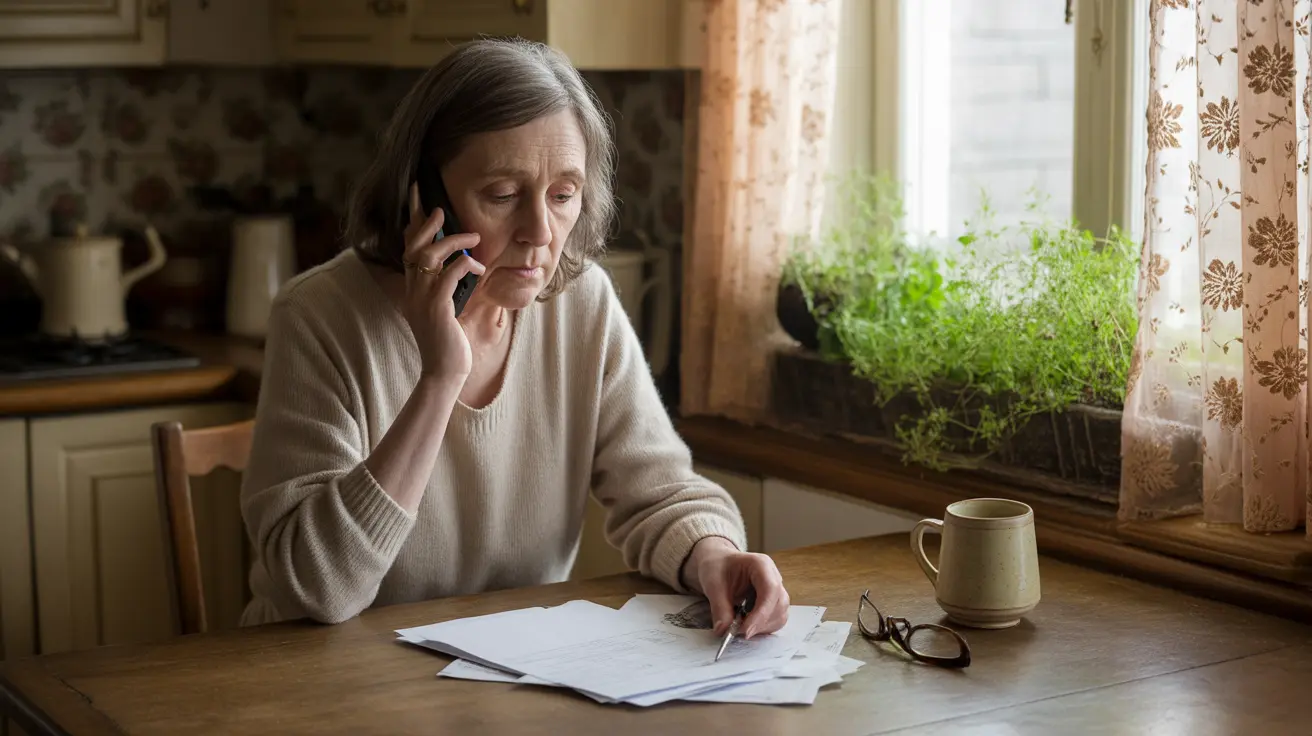
If your parent has early-stage dementia, they may qualify for Attendance Allowance, a weekly payment of up to £114.70 that most families don’t know exists. This benefit is not means-tested and doesn’t require them to already have a carer. Every week you delay applying is money you cannot recover.
What is Attendance Allowance, and who qualifies?
Attendance Allowance is a non-means-tested benefit available to people of retirement age whose health affects their daily life. Many people assume it’s only for those with severe disabilities who need wheelchairs, but early-stage dementia qualifies. The benefit pays £76.70 per week at the lower rate if your parent needs help during the day or during the night. If they need help both day and night, the higher rate provides more support. This money is paid tax-free directly into their bank account. The assessment focuses on how daily life is affected and what help is reasonably needed, not on the specific illness. Your parent doesn’t need to already have a carer to qualify. Conditions like severe arthritis, Parkinson’s, heart failure, diabetes with serious complications, and early-stage dementia all potentially qualify.
The assessment is made on the basis of how your daily life is affected and what help you reasonably need, not whether you are currently receiving support.
How to apply for Attendance Allowance
Ring 0800 731 0122 to request the AA1 claim form as soon as you recognise your parent might qualify. The Department for Work and Pensions will send the application form by post. Timing is crucial because your claim is only valid from the day it arrives at the DWP office, not from when the condition started or when they first qualified. This means every week you wait is money you cannot recover later. The benefit amount changes annually, so check current rates when you apply. The higher rate can provide nearly £6,000 per year tax-free, money that can make a significant difference to your parents’ care options.
You should claim as soon as possible, as your claim is only valid from the day your claim arrives at the DWP department for Work and Pensions.
What this means for you
Call 0800 731 0122 today to request the AA1 form if your parent’s health affects their daily routine. Don’t wait for their condition to worsen or assume they need professional care first. Complete and return the form as quickly as possible since payments only start when DWP receives your application. This money can fund additional support, home modifications, or simply reduce financial pressure on your family.
Understanding dementia care costs
Attendance Allowance represents thousands of pounds annually that many families miss because they don’t know it exists or assume they don’t qualify. The application process starts with a simple phone call, but the financial impact can be substantial. Don’t let misconceptions about eligibility prevent your parent from accessing the support they’re entitled to receive.
Frequently asked questions
- Does my parent need to have a formal dementia diagnosis to claim Attendance Allowance?
- No, the assessment focuses on how daily life is affected, not on having a specific diagnosis. However, medical evidence helps support your claim.
- Will Attendance Allowance affect my parents’ other benefits or savings?
- No, Attendance Allowance is not means-tested, so it won’t affect other benefits, savings, or income. It’s paid regardless of financial circumstances.
- Can I apply on behalf of my parent?
- Yes, you can help your parent apply or apply on their behalf if they lack capacity. You may need to provide evidence of your authority to act on their behalf.
- What happens if the application is refused?
- You can ask for the decision to be reconsidered or appeal to an independent tribunal. Many initial refusals are overturned on appeal when supported by proper evidence.
- How long does the application process take?
- The process typically takes several weeks to a few months. However, if successful, payments will be backdated to when DWP received your application.