Suspected care home neglect: How to spot and report
Care home neglect can be difficult to spot, but warning signs include unexplained injuries, poor personal hygiene, significant weight loss, and sudden changes in your parent’s behaviour or mood. You should document concerns, speak to the care manager immediately, and contact the Care Quality Commission if issues persist. Recognising these signs early protects your parent and helps you take swift action when something isn’t right.
Care home neglect signs: what to do if I suspect abuse
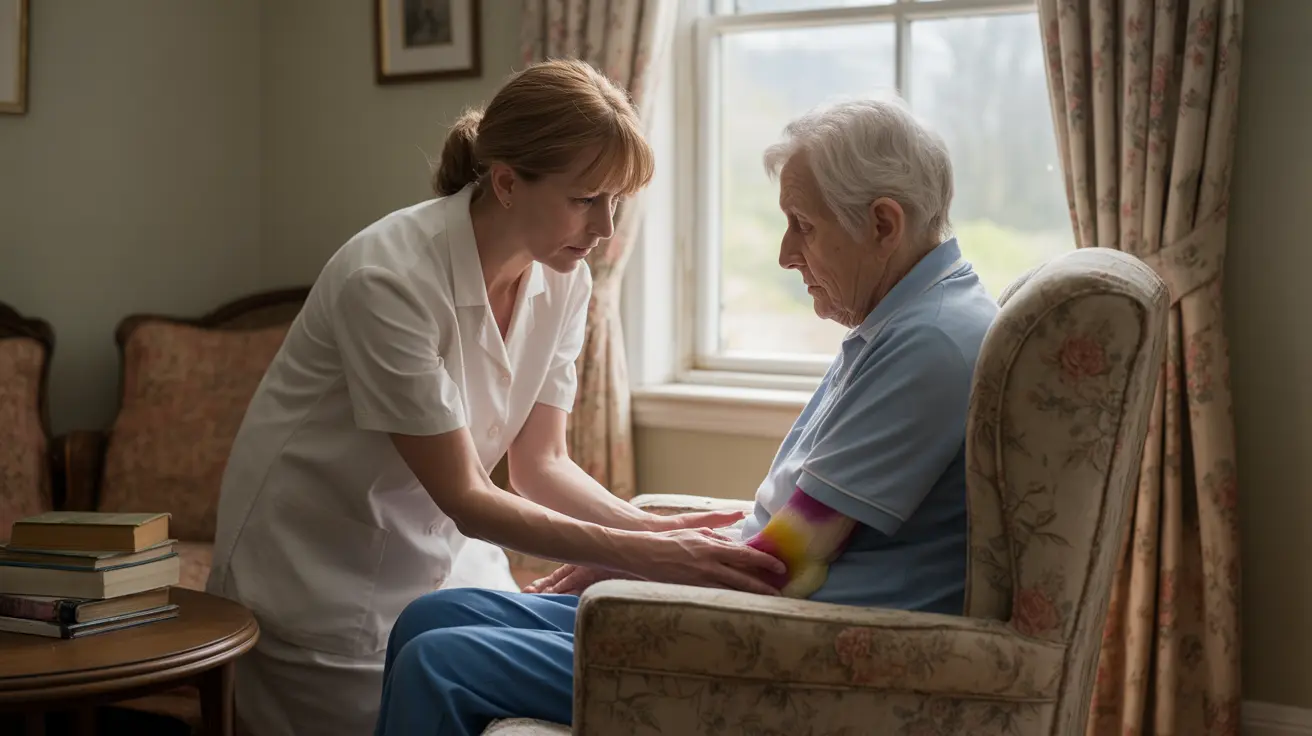
Physical signs include unexplained bruises or cuts, bedsores, poor personal hygiene, significant weight loss, and dirty or inappropriate clothing for the weather. Behavioural changes are equally telling. Your parent might become withdrawn, fearful, or unusually agitated during visits. They may seem confused about their care routine or reluctant to discuss their daily life. Staff behaviour matters too – watch for carers who seem rushed, dismissive, or unable to answer basic questions about your parent’s care.
Trust your instincts. If something feels wrong during visits, it probably is.
These warning signs don’t always mean deliberate abuse, but they indicate your parent isn’t receiving adequate care.
What to do if you suspect neglect
Document everything you observe with dates, times, and photographs where appropriate. Start by speaking to the care home manager immediately. Explain your concerns clearly and ask for a written response within 48 hours. If the response is inadequate or nothing changes, contact the Care Quality Commission on 03000 616161 or through their website. You can also report to the local authority’s safeguarding team. Don’t wait for proof before raising concerns – safeguarding investigations will determine if neglect has occurred.
The CQC takes all reports seriously and can inspect immediately if they believe residents are at risk.
Acting quickly protects your parent and other residents from continued poor care.
What this means for you
Schedule regular visits at different times of day to observe care patterns. Take photos of any concerning physical signs and keep detailed notes of conversations with staff. Don’t feel guilty about questioning care standards or making complaints. If you’re not satisfied with the home’s response, escalate to the CQC immediately. Remember that good care homes welcome family involvement and address concerns promptly.
Spotting care home neglect requires vigilance, but you shouldn’t have to be constantly worried about your parent’s safety. Trust your observations and act on concerns quickly through proper channels. The right care home will work with you to address issues and maintain high standards. Your advocacy ensures your parent receives the dignified care they deserve.
Frequently asked questions
- What are the main signs of care home neglect?
- Physical signs include unexplained injuries, bedsores, poor hygiene, and weight loss. Behavioural signs include withdrawal, fear, or reluctance to discuss daily life. Staff may seem rushed or unable to answer questions about your parents’ care.
- Who should I contact if I suspect neglect?
- Start with the care home manager, then contact the Care Quality Commission on 03000 616161 if issues persist. You can also report to the local authority’s safeguarding team.
- Do I need proof before making a complaint?
- No, you don’t need proof. Document your concerns, but report suspected neglect based on your observations. Safeguarding investigations will determine if neglect has occurred.
- How quickly should a care home respond to concerns?
- A good care home should acknowledge serious concerns immediately and provide a written response within 48 hours. They should also take immediate action to address safety issues.
- Can I move my parent immediately if I suspect abuse?
- Yes, if you believe your parent is in immediate danger. However, most concerns can be resolved through proper complaint procedures without the stress of an emergency move.