Mum asks to come home from care | When to consider it | DCC
When your mum keeps asking to come home from care, it’s natural to wonder if you should bring her back. The answer depends on why she originally needed care and whether those circumstances have genuinely changed. Most of the time, the request to come home reflects confusion or distress rather than a practical possibility, but there are specific situations where returning home might be the right choice. This article explains how to tell the difference and which factors to consider before making this decision.
Why do people with dementia ask to come home?
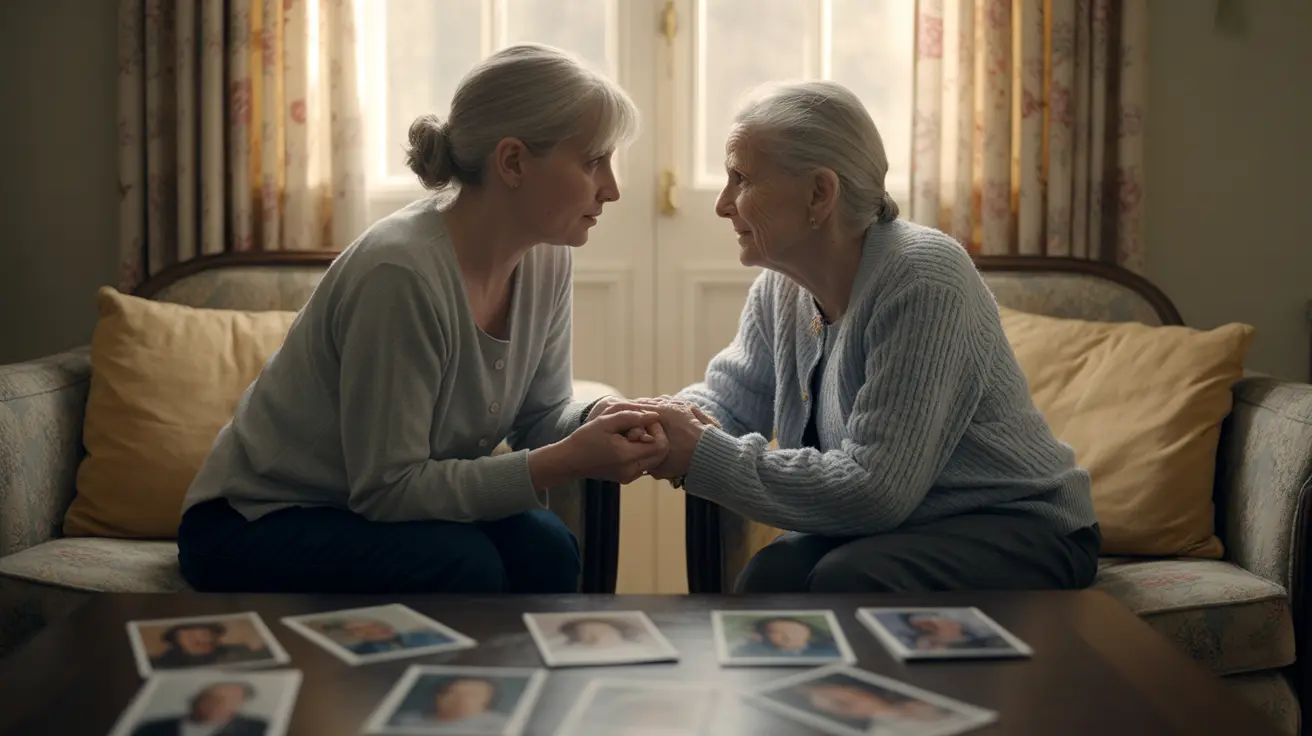
Your mum’s request to come home is usually driven more by emotional needs than by a practical assessment of her situation. People with dementia often ask to go home because they’re looking for comfort, familiarity, or a sense of control. The care facility may feel foreign and frightening, even if it’s providing excellent care. Home represents safety and independence that dementia has gradually taken away. Sometimes ‘home’ doesn’t even mean her most recent house, but a childhood home or a place that felt safe decades ago.
The request often increases when someone feels overwhelmed, tired, or confused about their current environment.
Understanding this helps you respond with empathy while making practical decisions based on her actual care needs.
When bringing someone home might work
Bringing your mum home is only realistic if the original reasons for care placement have genuinely changed. This might happen if her care needs were temporary (perhaps after a hospital stay), if you now have significantly more support available, or if the care facility is genuinely unsuitable. You’ll need 24-hour care arrangements that match or exceed the facility’s offerings. Consider whether you have professional carers lined up, whether your home is physically suitable, and whether you can manage the emotional and practical demands in the long term.
Most successful returns home happen within the first few weeks of placement, not months or years later.
If circumstances haven’t fundamentally changed, bringing her home often recreates the same problems that originally led to her placement in care.
What this means for you
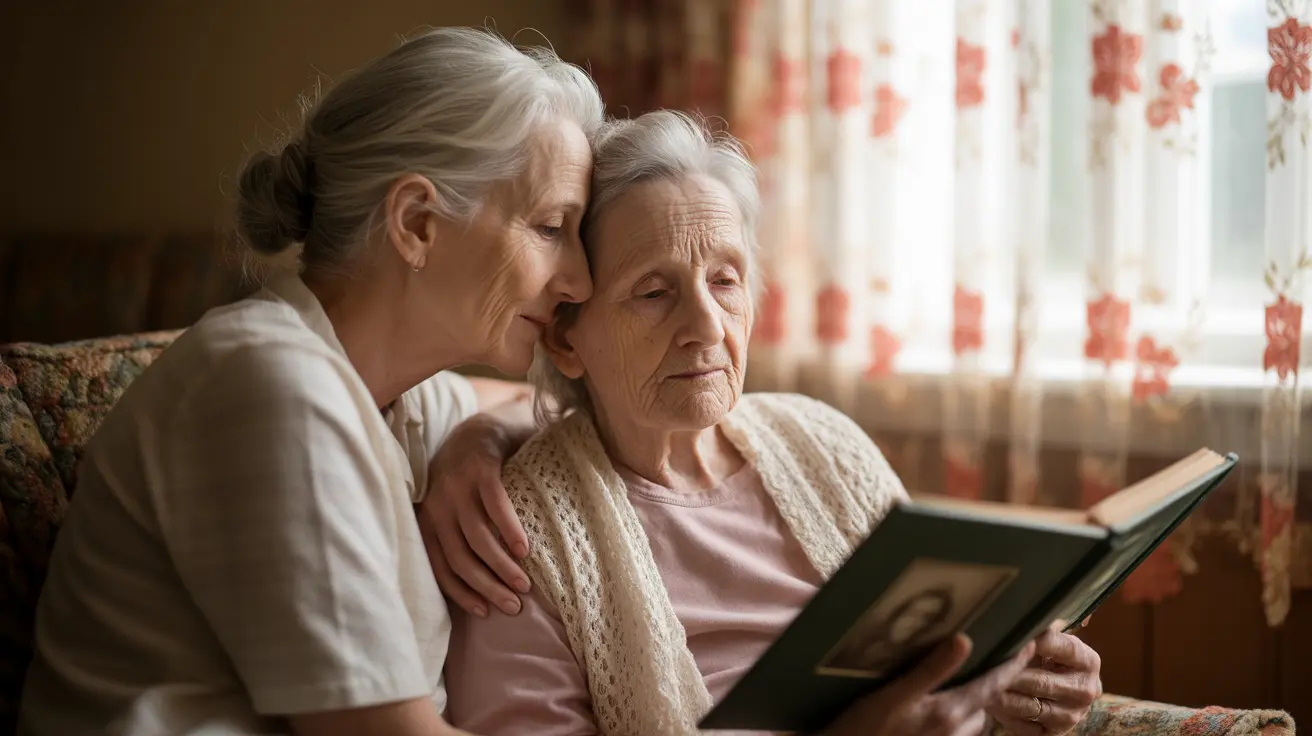
Write down the specific reasons your mum went into care originally. Ask yourself honestly whether those circumstances have changed. If not, focus on improving her current placement rather than moving her home. Visit more often if possible, bring familiar items to her room, and work with the care staff to address her specific concerns. If you’re seriously considering bringing her home, arrange a trial weekend first to test whether the care arrangements you’re planning actually work in practice.
Deciding whether to bring your mum home from care is one of the hardest choices you’ll face. Her requests to come home are heartbreaking, but they usually reflect emotional distress rather than a practical solution. Unless the fundamental circumstances that led to her placement in care have genuinely changed, bringing her home typically recreates the same problems. Focus instead on making her current placement feel more like home while ensuring she receives the level of care she actually needs.
Frequently asked questions
- Should I bring my mum home if she keeps asking to come home from care?
- Only if the original reasons for care placement have genuinely changed. Most requests to come home reflect confusion or distress rather than a practical possibility.
- How do I know if bringing someone home from care will work?
- You need 24-hour care arrangements that match what the facility provides, a suitable home environment, and the same level of support that originally necessitated placement.
- What if the care home isn’t suitable for my mum?
- If the facility genuinely isn’t meeting her needs, look for a different care facility rather than assuming home care is the only alternative.
- How can I help my mum feel more at home in care?
- Bring familiar items to her room, visit regularly, work with staff to establish routines she recognises, and ensure they understand her preferences and history.
- Is it normal for people with dementia to want to go home?
- Yes, this is extremely common. The request usually reflects a need for comfort and familiarity rather than a practical assessment of living arrangements.