Dad doesn't recognise me | Should I stop visiting | DCC

When your dad no longer recognises you, it’s natural to question whether visits still matter. Your presence can still provide comfort and connection even when he doesn’t know who you are, and visits benefit both of you in ways that go beyond recognition. This difficult situation happens to most families as dementia progresses, and understanding why recognition fades can help you decide how to approach visits going forward.
Why recognition disappears, but connection remains
Your dad’s brain can no longer process and store the information that identifies you as his daughter, but his capacity for experiencing comfort, familiarity, and emotional connection often remains intact. Recognition requires complex cognitive functions that dementia progressively damages. The brain areas responsible for facial recognition, name recall, and relationship understanding deteriorate, but the limbic system, which processes emotions and feelings, often remains more resilient for longer. This means your dad might not know you’re his daughter, but could still feel safer and calmer when you’re there. Many people with advanced dementia respond positively to familiar voices, gentle touch, and a consistent presence, even if they cannot identify the specific person providing them.
Your relationship has shifted from being recognised to being felt.
This means your visits can still matter deeply, even when they feel one-sided to you.
How to adapt visits when recognition is gone
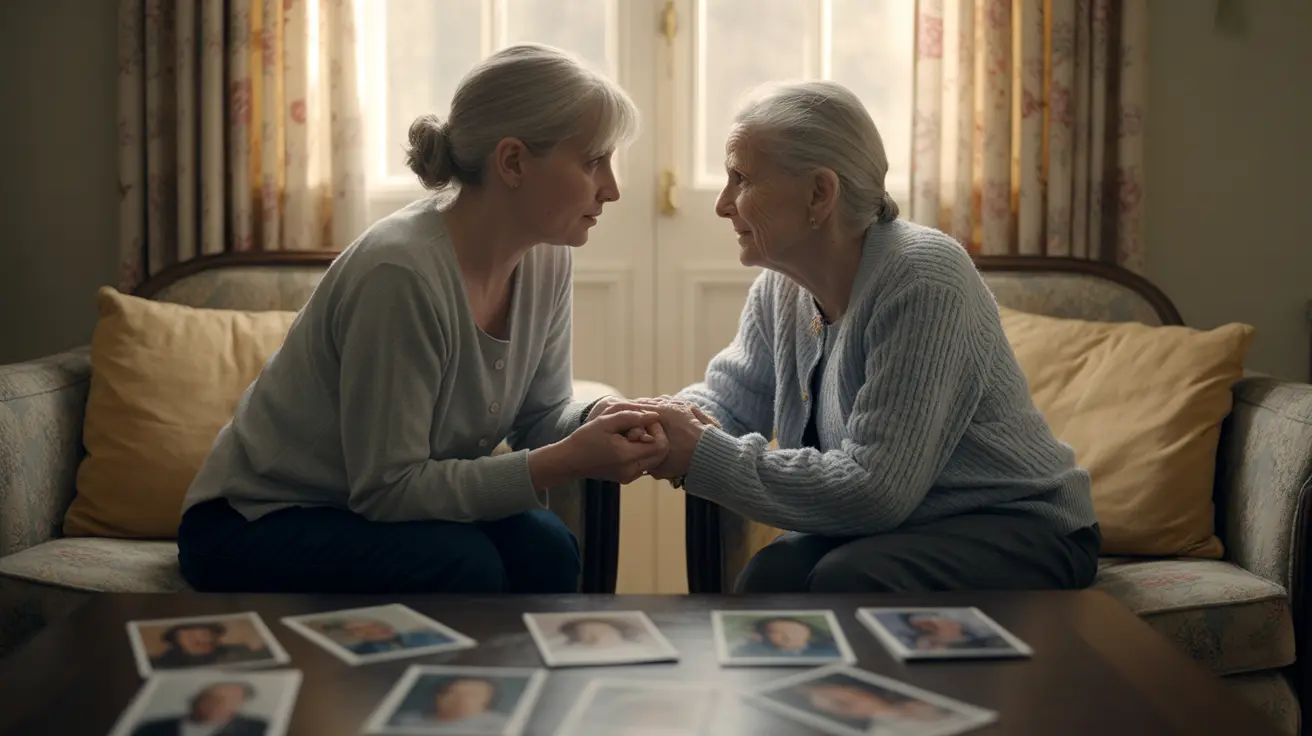
Focus on creating moments of connection rather than trying to restore recognition, and adjust your expectations to match your dad’s current abilities. Shorter visits often work better than longer ones. Bring familiar music, photos from long ago, or items with pleasant textures rather than trying to remind him who you are. Talk about general pleasant topics instead of personal family updates. Watch for signs that your presence is welcome: relaxed body language, eye contact, or engagement with activities you bring. If visits consistently cause distress for either of you, it’s acceptable to reduce frequency or duration. Some families find that helping with mealtimes or just sitting quietly together works better than conversation.
The goal shifts from meaningful conversation to peaceful presence.
You’re maintaining a relationship, just not the relationship you once had.
What this means for you
You don’t have to stop visiting because your dad doesn’t recognise you. Your presence can still provide comfort even when he can’t identify you. Try shorter visits focused on simple activities rather than conversation. Watch for signs of distress in both of you. If visits become consistently upsetting, it’s fine to reduce how often you go or change what you do when you’re there.
Losing recognition from your dad is one of dementia’s most painful losses, but it doesn’t make your relationship meaningless. Your visits can still provide comfort and connection, though they’ll look different from what you’re used to. The decision about visiting frequency is yours to make based on what feels sustainable and beneficial for both of you. This stage often leads families to explore different ways of staying connected while also caring for their own emotional needs.
Frequently asked questions
- Should I stop visiting my dad if he doesn’t recognise me anymore?
- No, you don’t need to stop visiting. Your presence can still provide comfort and connection even without recognition. However, you may need to adjust visit frequency, duration, and activities to what works for both of you.
- Does my dad benefit from visits if he doesn’t know who I am?
- Yes, many people with dementia benefit from familiar voices, gentle presence, and consistent care even when they can’t identify specific people. Emotional comfort doesn’t require recognition.
- How can I cope with visiting someone who doesn’t remember me?
- Focus on moments of connection rather than recognition. Keep visits shorter, bring familiar items, and watch for signs of comfort rather than trying to restore memory. Consider counseling support for your own grief.
- What should I do during visits when there’s no recognition?
- Try simple activities like listening to music, looking at old photos, gentle touch, or just sitting quietly together. Follow your dad’s lead and focus on his current comfort rather than past memories.
- Is it normal to feel like stopping visits when recognition is gone?
- Yes, this feeling is completely normal and common. The loss of recognition is a significant grief. It’s acceptable to adjust visit patterns to what feels manageable while still maintaining some connection.