
stage: 6
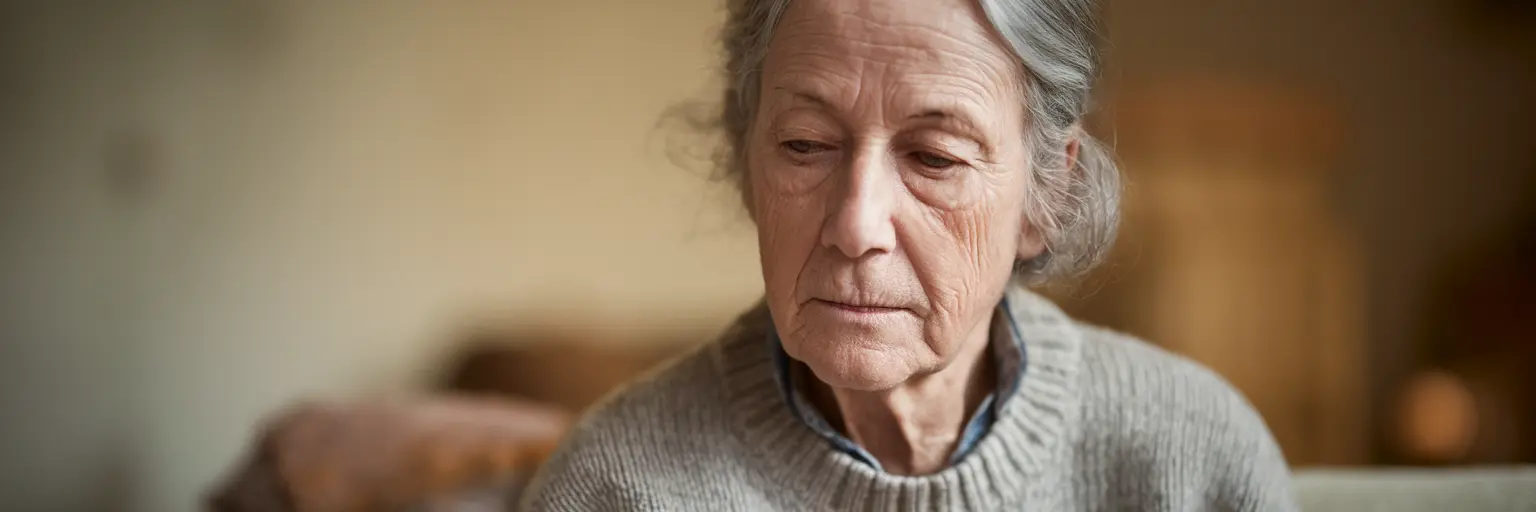
What a good death looks like for someone with dementia — and how to make it possible
A good death for someone with dementia is one where the person is free from pain, in a familiar and calm environment, surrounded by people who know and care for them, and treated with complete dignity until the end. It does not require the person to be conscious or able to communicate. The presence of familiar voices, gentle touch, and the absence of clinical urgency all contribute. It means that the decisions made in the final weeks — about resuscitation, hospital admission, artificial nutrition, medication — have been made in advance and reflect the person's values, so that no one is scrambling for answers in a moment of crisis. For families, a good death is one they can look back on and feel that their parent was not alone, not in pain, and was cared for as a person rather than managed as a patient. Getting there requires planning, honest conversations, and a care team that understands palliative care.