
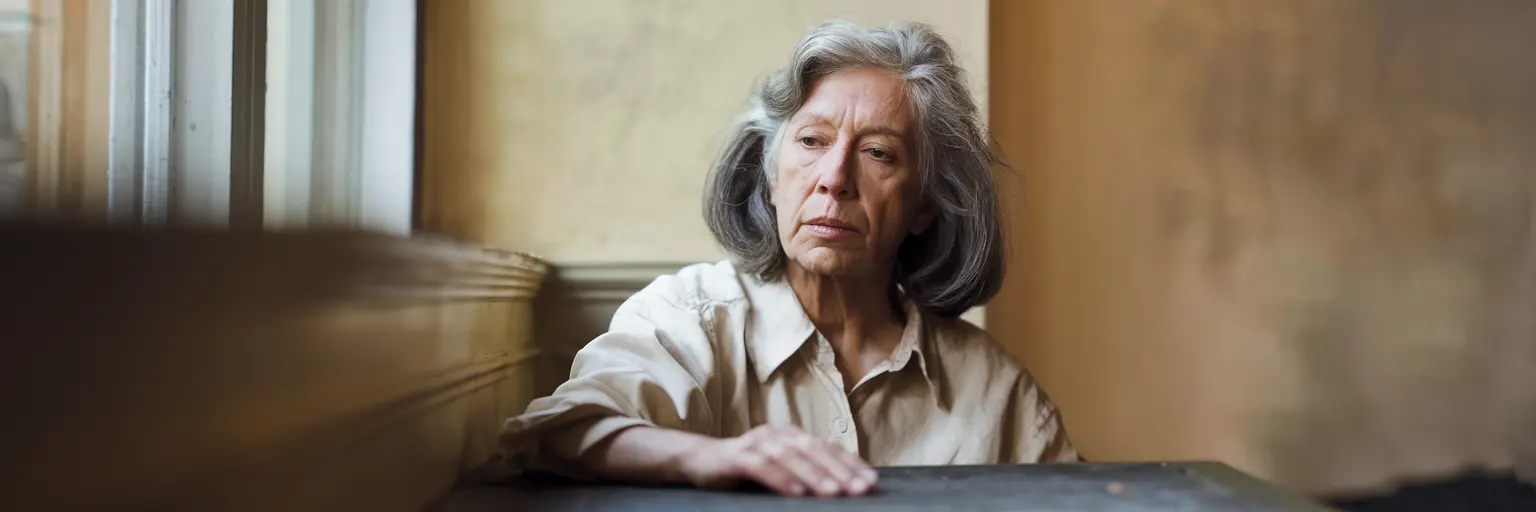
Elderly woman sitting by window looking contemplative

The signs a care home isn't providing good care — some are obvious, several are easy to miss

Signs that a care home may not be providing good care include staff who do not know the resident by name, a noticeable smell of urine in communal areas, residents who appear unwashed or unkempt, unexplained bruising or weight loss, high staff turnover, and a reluctance to answer questions from family. Poor care often shows in the small things: whether the person is dressed in their own clothes, whether they are left alone for long periods, whether staff greet them warmly or walk past without acknowledgement. If something feels wrong, it is usually worth investigating. Families have the right to ask for care plan meetings, to raise concerns formally with the home manager, and to escalate to the CQC if problems are not addressed. Keeping a written record of concerns with dates helps when making a complaint.

Frequently Asked Questions Related to settling in ot a care home

How involved families should be in a care home — the evidence is clear: more is better

read this FAQ

What a care plan in a dementia home should contain — and what to do if yours doesn't

read this FAQ

How to complain about a dementia care home — where to start and how far you can take it

read this FAQ

Can a care home ask your parent to leave? When it's allowed and when it can be challenged

read this FAQ

The rights a person with dementia keeps in a care home — and how to make sure they're upheld

read this FAQ

How to tell if your parent is genuinely settled in their care home — beyond what they can say

read this FAQ

What to bring to a care home for someone with dementia — the things that help them settle faster

read this FAQ

How long it really takes to settle into a care home — and the signs that show it's working

read this FAQ
We use cookies in order to give you the best possible experience on our website. By continuing to use this site, you agree to our use of cookies.
Accept